The Ghost of Volatility
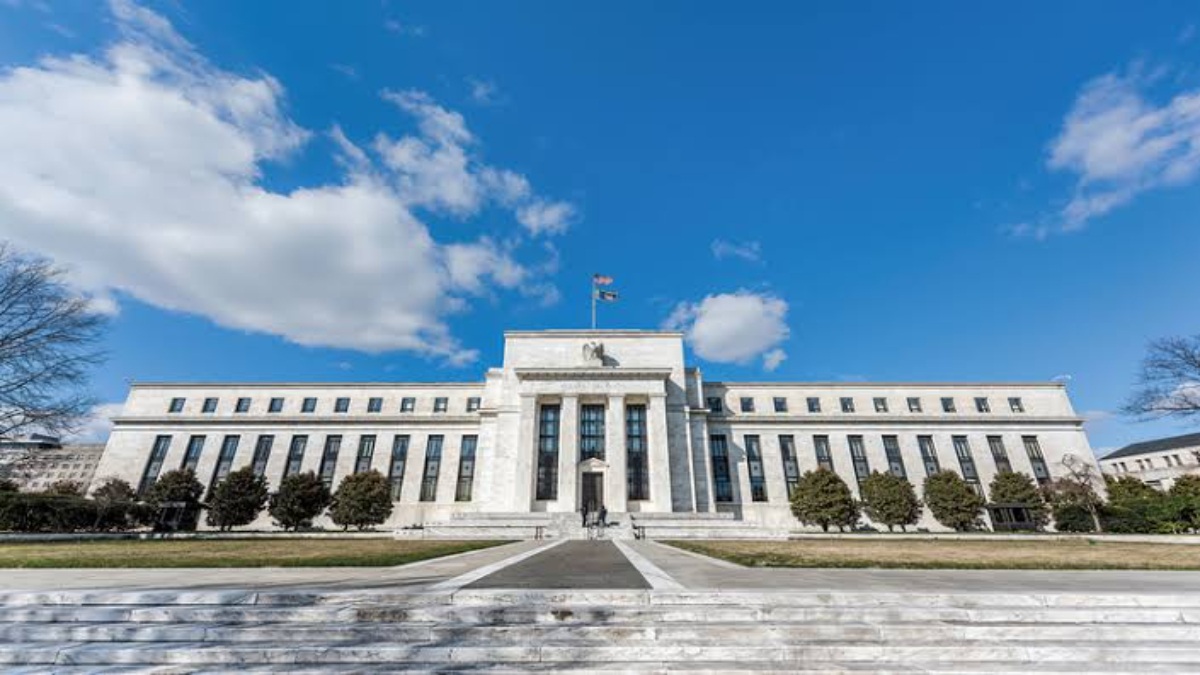
Markets are paralyzed. They wait for the FOMC minutes. The silence from the Eccles Building is deafening. Investors are scouring every syllable for a hint of a pivot. The consensus narrative suggests a soft landing is imminent. This is a dangerous delusion. The reality is far more clinical and far more punishing. The Federal Reserve is trapped between a cooling labor market and a stubborn inflationary floor. Per recent reporting from Bloomberg, the terminal rate remains higher than the market is willing to price in. This disconnect is where the danger lies.
The PCE Deadlock
Core PCE is the North Star. It is not moving. The Federal Reserve prefers the Personal Consumption Expenditures index because it accounts for consumer substitution. If beef is too expensive, you buy chicken. The index reflects that shift. This makes it a smoother, less volatile metric than the Consumer Price Index. However, the ‘last mile’ of inflation is proving to be a marathon. Service-sector inflation remains entrenched. Wages are rising at a pace that makes a 2 percent target look like a fantasy. The upcoming data release will likely show that the deflationary impulse of late 2025 has stalled. The market expects a dip. The data suggests a plateau.
Macroeconomic Indicators and Forecasts
The following table outlines the trajectory of key economic metrics as of February 17, 2026. The trend shows a clear deceleration in growth paired with a refusal of inflation to exit the system.
| Metric | Q3 2025 Actual | Q4 2025 Actual | Q1 2026 Projected |
|---|---|---|---|
| Real GDP Growth | 2.1% | 1.8% | 1.4% |
| Core PCE (YoY) | 2.8% | 2.7% | 2.6% |
| Unemployment Rate | 4.1% | 4.3% | 4.5% |
| Fed Funds Rate | 5.25% | 5.25% | 5.00% |
The GDP Mirage
Consumption is propped up by debt. Household balance sheets are fraying at the edges. While the headline GDP number remains positive, the underlying components tell a different story. Personal consumption expenditures are being driven by high-interest credit, not real wage growth. The savings rate has plummeted to levels not seen since the 2008 financial crisis. This is a sugar high. When the credit cycle turns, it turns fast. According to analysis from Reuters, delinquency rates on credit cards and auto loans are at a ten-year peak. The Fed knows this. They are watching the labor market for the first sign of a systemic crack.
Gold as the Final Arbiter
Gold is a hedge against incompetence. It is the only asset that does not carry counterparty risk. As the dollar fluctuates on every FOMC headline, gold remains the ultimate barometer of fiscal health. Central banks are buying. Retail is selling. This divergence is significant. Institutional players are positioning for a world where the dollar’s hegemony is challenged by persistent fiscal deficits. The dollar’s strength is currently a function of ‘least-bad’ status. If the US GDP data misses expectations this week, the dollar will buckle. Gold will be the primary beneficiary. It is not just a commodity. It is an insurance policy against a policy error.
Market Expectations for March 2026 Rate Decision
The chart below visualizes the current market probability for the FOMC interest rate decision scheduled for next month. The market is heavily leaning toward a hold, despite the rhetoric of a potential cut.
Probability of FOMC Rate Action (March 2026)
The Mechanics of the FOMC Minutes
The minutes are a lagging indicator. They reflect a conversation that happened weeks ago. Yet, the market treats them as a prophecy. The focus this time will be on the balance sheet. Quantitative Tightening (QT) is the silent killer of liquidity. While the headlines focus on the Fed Funds Rate, the reduction of the Fed’s bond holdings is what actually tightens financial conditions. If the minutes reveal a consensus to continue QT despite slowing GDP, the yield curve will invert further. This is the classic precursor to a recessionary event. The Fed is playing a game of chicken with the bond market. The bond market usually wins.
The dollar remains the primary weapon of global finance. Its strength exports inflation to the rest of the world. Every basis point the Fed holds above the neutral rate puts pressure on emerging markets. We are seeing the beginning of a sovereign debt crisis in the periphery. This will eventually loop back to the domestic economy. The interconnectedness of global FX pairs means the Fed cannot act in a vacuum. The GDP print this week is not just a US data point. It is a global signal. If the US consumer finally breaks, the global economy follows. Watch the March 18 FOMC decision. The dot plot will reveal if the Fed is finally ready to acknowledge the reality of a 3 percent inflation floor.