Institutional Inertia Meets Political Volatility
The transition is messy. Markets hate uncertainty. As of this morning, February 7, the financial world is fixated on a single name: Kevin Warsh. The nominee for Federal Reserve Chair faces a confirmation gauntlet that is as much about the soul of the American economy as it is about interest rates. The current atmosphere in Washington is thick with friction. On one side, we have an administration demanding aggressive easing. On the other, we have a central bank built on the bedrock of independence and incrementalism.
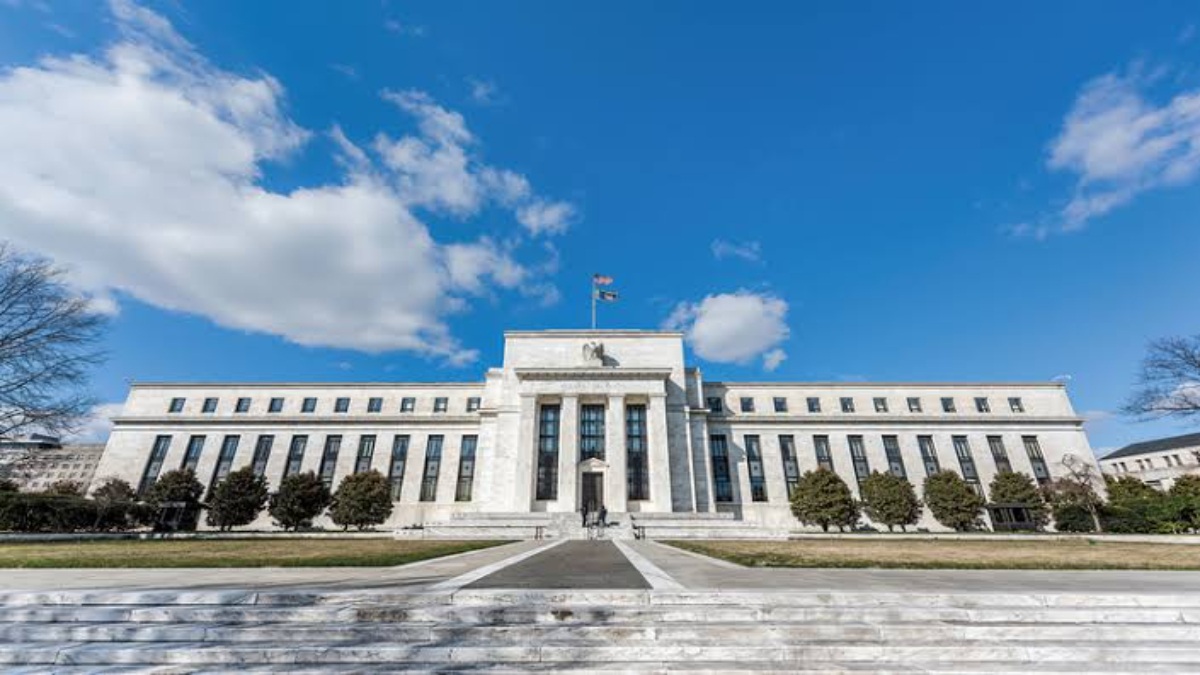
The Fed is a battleship. It does not turn on a dime. While the political rhetoric suggests a rapid pivot, the institutional plumbing of the Eccles Building is designed to resist sudden shocks. This tension is the primary focus of the latest institutional analysis from Morgan Stanley. Their Global Head of Fixed Income Research, Andrew Sheets, and Global Chief Economist, Seth Carpenter, have peeled back the layers of this conflict. They argue that the challenges facing the next Chair are not just economic. They are structural.
Dissecting the Morgan Stanley Forecast
The latest episode of Thoughts on the Market highlights a critical disconnect. Sheets and Carpenter point out that while the market expects a seamless transition, the internal mechanics of the Fed are currently geared toward a cautious, data-dependent approach. The Federal Open Market Committee (FOMC) is not a monolith. It is a collection of regional presidents and governors with varying degrees of hawkishness. Warsh, if confirmed, will not simply dictate policy. He must build a consensus among a group that has spent years refining the current framework.
Technical resistance is building. Morgan Stanley notes that the Fed balance sheet remains a point of contention. Quantitative Tightening (QT) has been the silent engine of the recent cycle. Any attempt to abruptly halt this process could trigger volatility in the repo markets, reminiscent of the 2019 liquidity crunch. The margin for error is razor thin. According to recent reports from Reuters, the confirmation hearings have already begun to reveal deep ideological divides regarding the Fed dual mandate of price stability and maximum employment.
Market Implied Interest Rate Probabilities
Market Implied Interest Rate Probabilities for March 2026
The Mechanics of the Modern Mandate
Warsh is a veteran of the 2008 financial crisis. He understands the plumbing. However, the 2026 landscape is vastly different from the post-Lehman era. Inflation is no longer a ghost, it is a persistent shadow. The Morgan Stanley analysis suggests that the incoming leadership must navigate a high-debt environment where the cost of servicing that debt is increasingly sensitive to every basis point move. This creates a feedback loop that the Fed has not had to manage in decades.
Consensus is the currency of the Fed. If Warsh pushes for a radical departure from the current path, he risks a revolt from the regional presidents. This would manifest as a fractured Dot Plot, sending mixed signals to the bond market. Yield curve inversion remains a persistent threat, and the 10-year Treasury is currently hovering at levels that suggest the market is skeptical of a soft landing. The table below compares the perceived policy stances of the current regime versus the projected Warsh doctrine.
Policy Stance Comparison
| Policy Area | Current Framework | Projected Warsh Doctrine |
|---|---|---|
| Inflation Target | Strict 2% Symmetric | Potential for Flexible Average |
| Balance Sheet | Gradual QT | Aggressive Reduction/Adjustment |
| Communication | Forward Guidance Heavy | Market-Based Signaling |
| Rate Path | Data Dependent | Proactive/Pre-emptive |
The technical challenge is the neutral rate, known as R-star. Nobody knows exactly where it is. If the Fed cuts too fast under new leadership, they risk reigniting the inflationary fires that took years to douse. If they hold too long, the labor market could fracture. Sheets and Carpenter emphasize that the inner workings of the Fed are designed to prevent the very type of disruption that the market is currently pricing in. This creates a high-stakes game of chicken between the central bank and the bond vigilantes.
The Shadow of the Repo Market
Liquidity is the lifeblood of the system. Behind the headlines of interest rates lies the complex world of the overnight lending markets. The Fed role as the lender of last resort is being tested by the sheer volume of Treasury issuance. Any shift in leadership brings a shift in how the Standing Repo Facility is managed. Warsh has historically been a critic of excessive intervention, yet the current system is more dependent on Fed liquidity than ever before.
The Morgan Stanley deep dive warns that a move toward a more hands-off approach could lead to spikes in overnight rates. This would effectively tighten financial conditions regardless of what the FOMC decides on the headline Fed Funds Rate. Investors are currently underestimating this risk. They are focused on the theater of the confirmation hearings while ignoring the quiet decay of market depth. The plumbing is clogged, and the new plumber is bringing a very different set of tools.
The March 18 FOMC meeting is the next critical milestone. This will be the first real test of how the committee intends to bridge the gap between the old guard and the new nominee. Watch the 2-year Treasury yield for the first sign of a break. If it diverges significantly from the Fed own projections, the honeymoon period for the new administration will be over before it even begins. The market is currently pricing in a 40% chance of a 25 basis point cut, but the real story is the 45% probability that the Fed stays the course, defying political pressure to maintain institutional integrity.