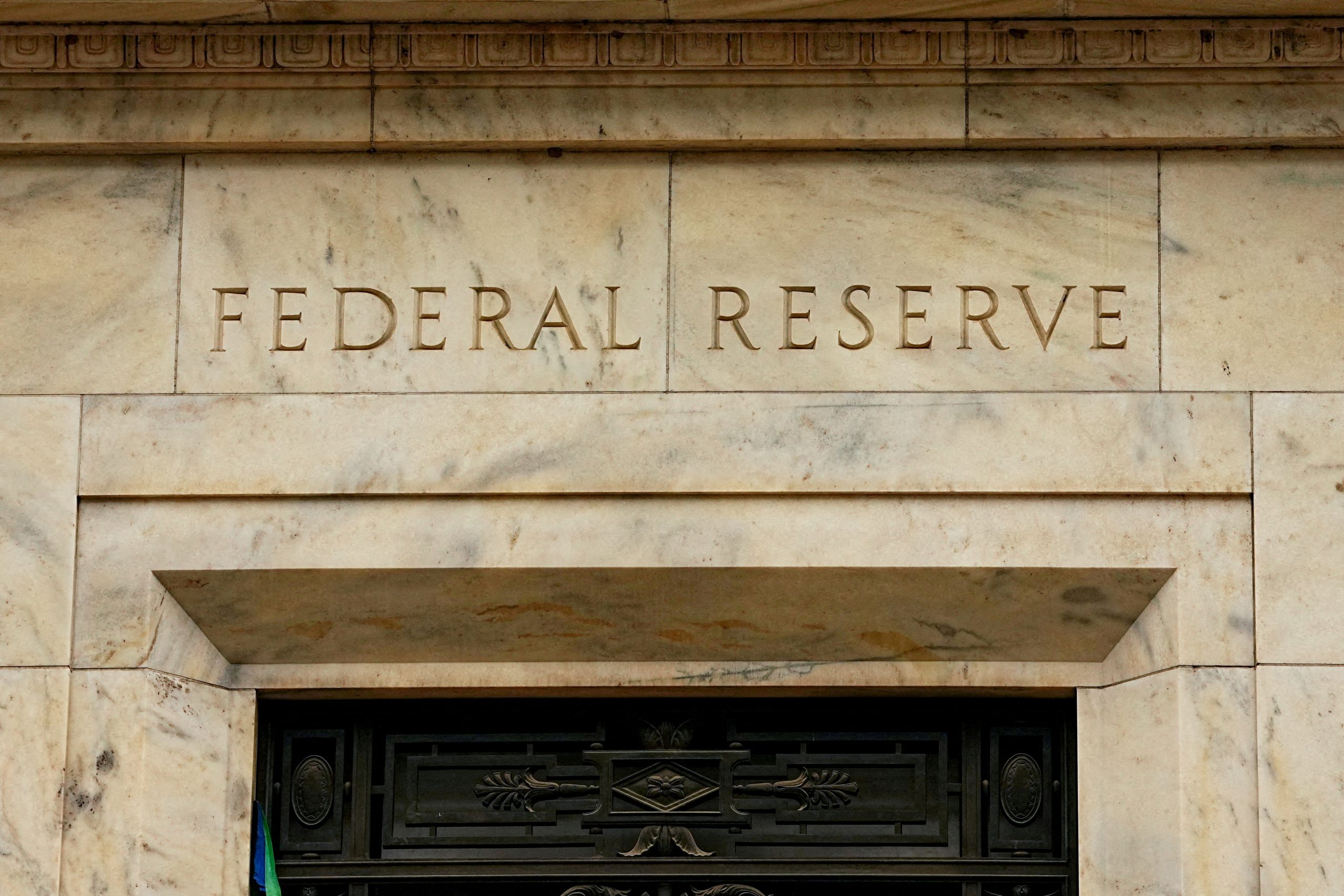
The labor market is cooling fast. Crude oil is heating up even faster. This is the nightmare scenario the Federal Reserve hoped to avoid this spring. The latest employment figures suggest a sudden loss of momentum in the private sector. Meanwhile, energy costs are surging due to supply constraints in the Permian and escalating tensions in the Middle East. The central bank now finds itself trapped between a slowing economy and a persistent inflationary pulse. It is the definition of a policy corner.
The Non Farm Payroll Miss
The numbers do not lie. Total non-farm payrolls grew by a meager 92,000 in February. This fell significantly short of the 165,000 expected by consensus. Revisions to previous months were also negative. We are seeing a structural shift in hiring patterns. Temporary help services, often a bellwether for the broader economy, contracted for the fourth consecutive month. This suggests that the resilience seen in late 2025 has finally evaporated. Wage growth remained sticky at 4.1 percent year-over-year. This prevents the Fed from declaring victory on inflation even as the job market softens. The data reflects a bifurcated economy where service sectors remain tight while manufacturing and tech continue to shed weight.
The Energy Tax on Growth
Oil prices have breached the $95 mark for West Texas Intermediate. This acts as an immediate tax on the American consumer. The surge is not just a fluke of geopolitics. Domestic production levels have plateaued as capital expenditure in the shale patch remains disciplined. Refineries are also facing maintenance backlogs that have squeezed gasoline crack spreads. Per reports from Reuters, the energy spike is already filtering into logistics and transportation costs. This creates a cost-push inflation cycle that interest rate hikes are poorly equipped to handle. If the Fed cuts to save the labor market, they risk de-anchoring inflation expectations. If they hold, they risk a hard landing.
US Economic Indicators March 2026
Policy Paralysis at the Eccles Building
The Federal Open Market Committee is now in a period of forced hibernation. The market was pricing in a 25-basis point cut for the upcoming meeting. Those bets are being unwound. According to the Bloomberg Terminal, the probability of a hold has jumped to 82 percent. Jerome Powell faces a credibility crisis. If the Fed ignores the oil shock, they repeat the mistakes of the 1970s. If they ignore the jobs miss, they risk a recession that could have been mitigated. The yield curve remains deeply inverted. The 2-year Treasury yield is currently hovering near 4.8 percent while the 10-year sits at 4.2 percent. This gap signals that investors expect a significant downturn in the medium term. Credit spreads are also beginning to widen in the high-yield space. This indicates that the ‘higher for longer’ regime is starting to break the weakest links in the corporate chain.
Sectoral Breakdown of Labor Weakness
The pain is not distributed evenly. The technology sector continues its ‘efficiency’ drive with another round of layoffs. Retail is also suffering as discretionary spending stalls under the weight of high energy prices. Only healthcare and government spending seem to be providing a floor for the employment numbers. Without these two sectors, the headline payroll figure would likely have been negative. This concentration of growth is a sign of an unhealthy labor market. It lacks the broad-based participation necessary for a sustained expansion. Small businesses are reporting the highest level of pessimism in three years. They cite the cost of capital and energy as their primary concerns. This sentiment usually precedes a broader pullback in capital investment.
| Metric | February Actual | Market Consensus | Status |
|---|---|---|---|
| Non-Farm Payrolls | 92,000 | 165,000 | Significant Miss |
| Unemployment Rate | 4.2% | 3.9% | Rising |
| WTI Crude Price | $95.40 | $82.00 | Spiking |
| Average Hourly Earnings (YoY) | 4.1% | 3.8% | Sticky |
The Stagflationary Shadow
We are witnessing the return of stagflationary dynamics. This is the worst-case scenario for equity markets. Stocks have historically struggled when growth slows and inflation remains elevated. The S&P 500 has already seen a 4 percent drawdown since the oil price breakout began. Analysts at Yahoo Finance suggest that earnings estimates for the second half of the year are too optimistic. They do not account for the margin compression caused by rising input costs and weakening consumer demand. The consumer is the final pillar. If the labor market continues to soften, the ‘excess savings’ buffer will finally hit zero. This would trigger a rapid contraction in services spending. The Fed’s tools are blunt. They cannot drill for more oil, and they cannot force companies to hire when margins are shrinking. They can only destroy demand. The question is whether they have already destroyed too much.
The focus now shifts to the March 12 Consumer Price Index release. This will be the definitive signal. If the CPI print comes in hot despite the weak jobs data, the Fed will be forced to maintain restrictive rates well into the summer. Watch the core services inflation excluding housing. This metric will reveal if the wage-price spiral is truly dead or just dormant. The next milestone is the March 18 FOMC policy statement. Any shift in the ‘balance of risks’ language will dictate the trajectory of the dollar and global bond yields for the remainder of the quarter.