The $1.2 Trillion Subsidy Mirage
The political obsession with physical factory floors has reached a fever pitch this Christmas. While the narrative promises a return to 1950s-style industrial employment, the data from December 2025 tells a different story. Since the 2024 implementation of expanded domestic manufacturing credits, the United States has poured billions into the sector. Yet, the ISM Manufacturing PMI remains trapped in a nine-month contraction, closing November at a sluggish 48.2. The anticipated December bounce is already fading, with consensus forecasts sitting at 47.9 as of this morning. Politicians are selling a jobs program; the market is buying an automation cycle.
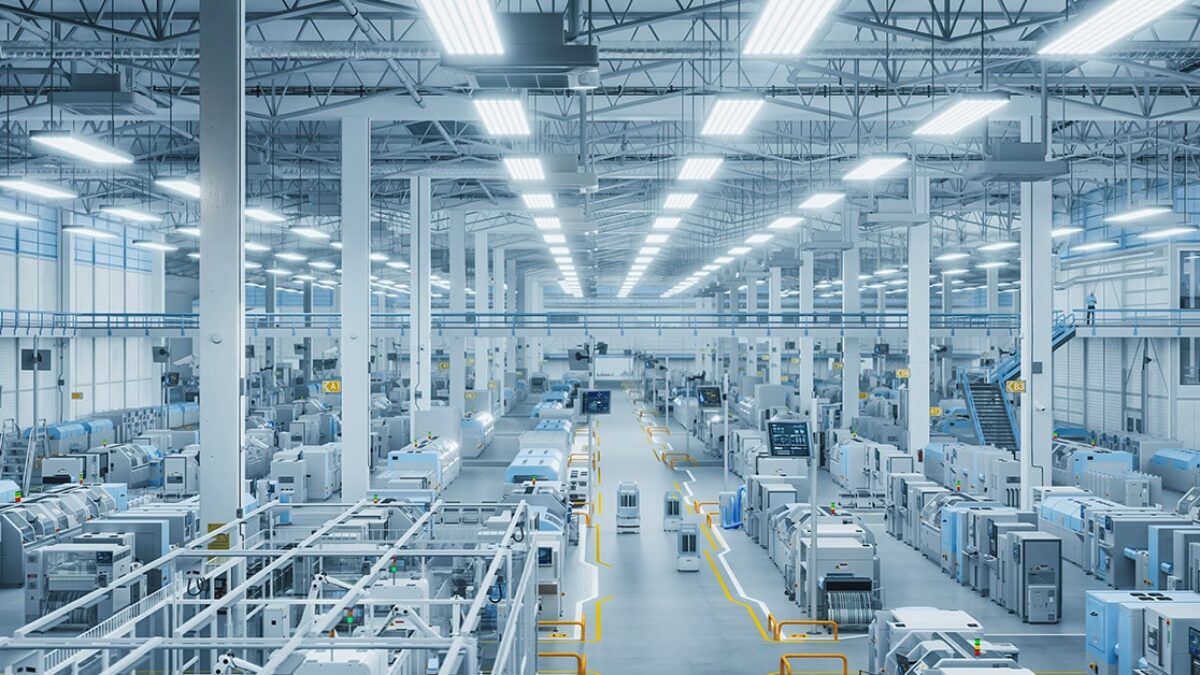
The divergence is stark. While manufacturing output remains resilient, the labor component is rotting. Since the tariff escalations in April 2025, the sector has shed 42,000 jobs. This is not a cyclical dip. It is a structural pivot. The factory of 2025 does not need a town; it needs a server room and a handful of specialized technicians.
Tesla and the Death of the Assembly Line
Tesla’s Giga Texas facility, which reached a milestone of 10,000 Model Y units per week this quarter, serves as the ultimate case study in human displacement. The facility is no longer just a car plant; it is a testbed for Tesla Optimus. Internal reports suggest that basic logistics and repetitive sub-assembly tasks are being migrated to these humanoid units at a rate that exceeds the 2024 projections. Per Tesla’s Q4 delivery consensus, the company is expected to deliver 418,200 vehicles this quarter. While slightly below the whisper number of 422,000, the efficiency is undeniable. Tesla has reduced its parts count by 70% in critical assemblies through Giga Casting, effectively eliminating the need for dozens of welding robots and the humans who maintain them.
Investors must look past the headline production numbers. The real Alpha is in the margin expansion driven by the removal of labor-related overhead. As of the December 10 Federal Reserve Summary of Economic Projections, the target funds rate has been lowered to 3.50% to 3.75%. This third consecutive cut in 2025 signals a desperate attempt to stimulate a cooling labor market, but for the manufacturing sector, cheaper capital simply accelerates the purchase of more robots, not more headcount.
Comparison of 2025 Manufacturing Indicators
| Metric | Value (Dec 25, 2025) | YoY Change |
|---|---|---|
| ISM Manufacturing PMI | 48.2 (Nov Actual) | -0.4% |
| S&P Global Mfg PMI | 51.8 (Dec Flash) | +0.2% |
| Fed Funds Rate | 3.50% – 3.75% | -1.75% |
| Tesla Giga Texas Output | 10,000/week | +100% |
Apple’s Automation Mandate
Apple has quietly shifted the burden of industrial transformation to its suppliers. Starting in mid-2025, the company began mandating specific automation thresholds as a prerequisite for contract renewals in India and Vietnam. The goal is a 50% reduction in manual assembly labor for the iPhone 17 cycle. This is the reality of the “China Plus One” strategy. It is not about finding cheaper humans; it is about building a supply chain where humans are irrelevant to the cost curve.
Suppliers like Foxconn and Pegatron are seeing their margins squeezed by the high initial capital expenditure of these robotic lines. However, Apple’s demand for yield consistency and carbon neutrality by 2030 leaves no room for manual variance. For the investigative investor, the play is no longer the assembler, but the integrator. Companies providing the vision systems and haptic feedback sensors for these robotic arms are the true beneficiaries of the reshoring movement.
The Digital Twin Efficiency
Unilever and Procter & Gamble have moved beyond the physical factory obsession by perfecting the Digital Twin. By simulating entire production runs in a virtual environment before a single machine moves, Unilever has reclaimed €1.7 billion in value this year alone. This efficiency does not come from more factories, but from better data. Their “DigiOps” program has replaced traditional floor managers with data scientists who optimize flow through AI-powered predictive maintenance. Per the December ISM Supply Chain Forecast, capital expenditure in the manufacturing sector is only expected to grow by 3% in 2026. This is a massive deceleration from the 2024 boom, suggesting that the initial “building phase” of the reshoring trend has ended, and the “optimization phase” has begun.
The next data point to watch is the January 15, 2026, release of the December Industrial Production (IP) index. If the IP index holds steady while manufacturing payrolls continue to contract, it will confirm that the US has successfully reshored production while effectively off-shoring the workforce to the machine.