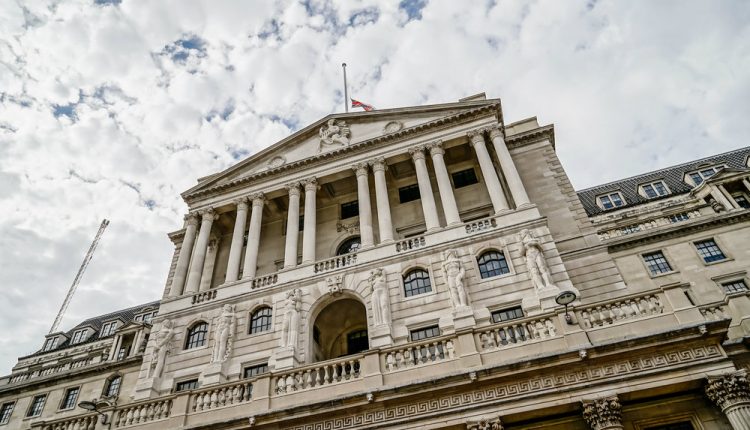
The Federal Reserve is a theater. We watch the curtains move and mistake the rustle for a natural storm. We ignore the stagehands pulling the ropes. On January 13, 2026, the market finally stopped pretending the actors were ad-libbing. A contrarian strategist, highlighted by MarketWatch, has stripped away the veneer of institutional autonomy. The claim is simple. The President is predictable, and the Fed was never independent to begin with.
The Predictability of Disruption
Chaos is a legible pattern if you own the right lens. The current administration operates on a loop of protectionism and fiscal expansion. This is not erratic behavior. It is a calculated methodology to force the hand of the monetary authority. When the White House signals a new round of tariffs, the market braces for inflation. When the Treasury issues a deluge of new debt, the Fed is forced to manage the yield curve to prevent a sovereign default. This is the feedback loop of the modern era.
Technical analysis of the current trade balance suggests that the administration uses volatility as a negotiating lever. Per a Reuters report from January 11, the pressure on the FOMC to maintain low rates despite sticky CPI data has reached a fever pitch. The strategist’s core thesis is that the Fed cannot act against the fiscal interests of the state without triggering a systemic collapse. Therefore, the Fed will always choose the path of least resistance: monetization.
The Fiscal Dominance Trap
The math is cold. The interest on the national debt now consumes a staggering percentage of tax revenue. If the Fed raises rates to combat the inflation generated by fiscal spending, they increase the cost of that debt. This creates a death spiral where the central bank must print money just to pay the interest on the money it already printed. This is the definition of fiscal dominance. The central bank’s mandate of price stability becomes secondary to the survival of the Treasury.
Why the Fed Lost Its Shield
The 1951 Accord was supposed to be the Fed’s declaration of independence. It was a gentleman’s agreement that has been eroded by decades of crisis management. In 2026, the shield is gone. The strategist argues that the Fed’s actions over the last 48 hours, specifically the silence regarding the latest Treasury auction results, confirm this subservience. Markets are no longer pricing in economic data. They are pricing in political necessity.
As noted in a Bloomberg analysis on January 12, the correlation between presidential rhetoric and 10-year Treasury yields has hit an all-time high. This suggests that the bond market has already accepted the Fed as a political tool. The technical mechanism for this is the Standing Repo Facility. By providing a backstop for government debt, the Fed ensures that the Treasury can continue to spend regardless of market demand for bonds. This is not independence. It is an administrative partnership.
Comparative Market Metrics
| Metric | January 2025 | January 2026 |
|---|---|---|
| Fed Funds Rate | 5.25% | 4.25% |
| 10Y Treasury Yield | 4.10% | 4.65% |
| CPI (Year-over-Year) | 3.1% | 3.8% |
| National Debt (Trillions) | $34.0 | $38.2 |
The table above illustrates the rot. Inflation is rising while the Fed is cutting rates. In any other era, this would be considered monetary malpractice. In 2026, it is considered a political requirement. The strategist’s bold calls suggest that we are entering a period of permanent stagflation where the currency is sacrificed to maintain the nominal value of assets. This is the structural reality that mainstream narratives ignore. They focus on the personality of the President. They should be focusing on the balance sheet of the nation.
The next major inflection point is the March 18, 2026, FOMC meeting. Watch the language regarding the reinvestment of maturing securities. If the Fed begins to accelerate the purchase of long-dated Treasuries despite rising inflation, the mirage of independence will be officially dissolved. The data point to watch is the 4.75% mark on the 10-year Treasury. A breach of that level will force the Fed to intervene, proving the strategist right once and for all.