The Greenback Is Bleeding
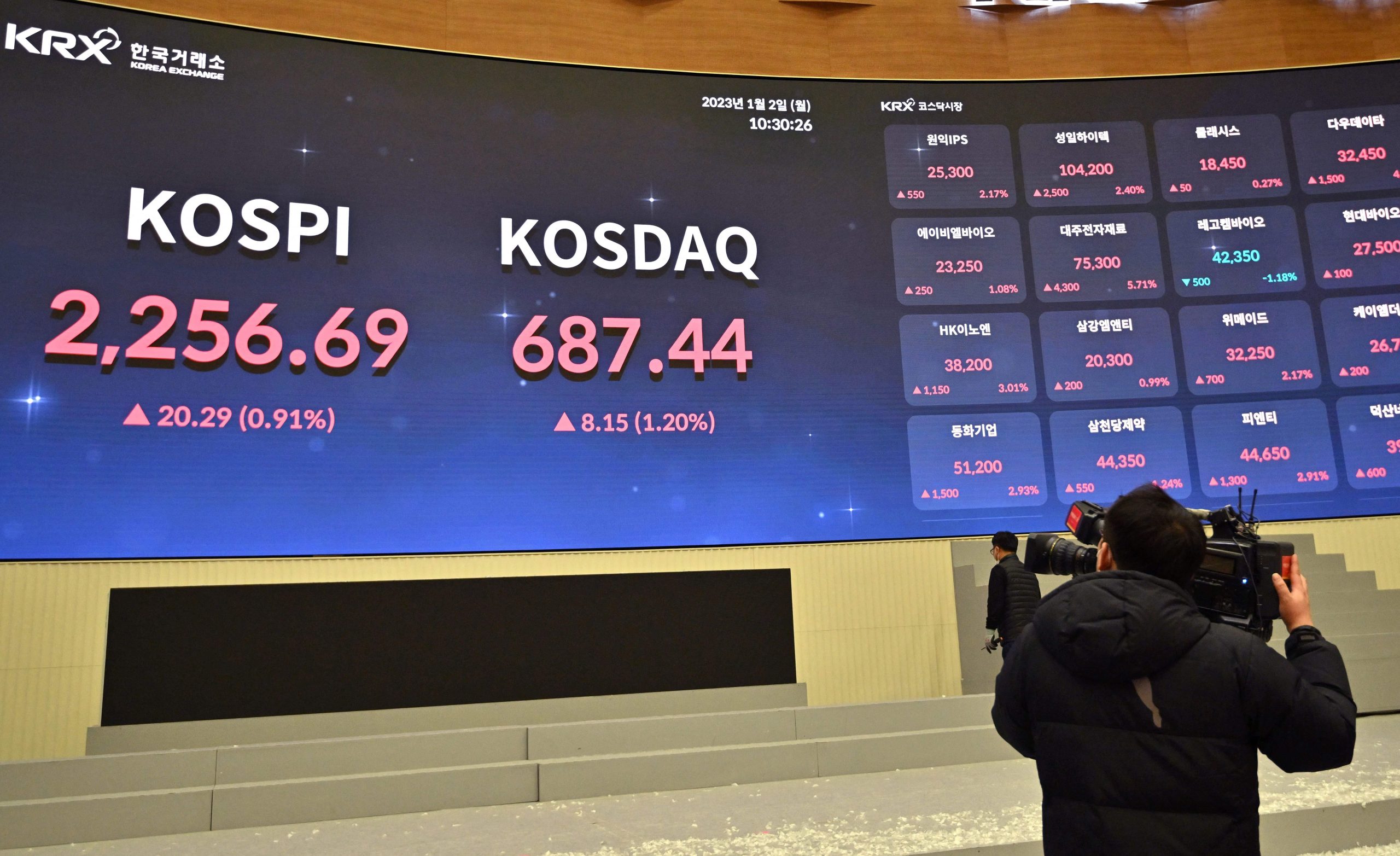
The dollar is no longer the undisputed king. It is a debased relic of over-leveraged fiscal policy. Global markets are currently witnessing the aggressive execution of the Sell America trade. This is not a temporary dip. It is a structural migration of capital. Investors are fleeing the US dollar as the reality of a persistent fiscal deficit finally collides with a softening interest rate environment. The euphoria of the late 2024 rally has evaporated. It has been replaced by a cold, calculated exit from dollar-denominated assets.
The technical damage is severe. The EUR/USD pair has surged through previous resistance levels with a violence that caught many institutional desks off guard. We are seeing a classic bullish flag breakout on the daily charts. This pattern typically signals a continuation of the primary trend. In this case, that trend is a relentless march against the greenback. However, the market is currently in a state of digestion. Price action is pulling back toward the 1.1700 zone. This is the critical line in the sand for the current quarter. If this level holds, the dollar’s decline will accelerate. If it fails, we may see a temporary reprieve for the beleaguered currency.
EUR/USD Price Action and Market Sentiment
EUR/USD Exchange Rate Trajectory (Dec 2025 – Jan 2026)
The Anatomy of Wave 4 Support
Markets move in cycles. The current pullback to 1.1700 represents a textbook Wave 4 correction within the Elliott Wave framework. This is the most deceptive phase of a trend. It creates the illusion of a reversal while actually building the foundation for the next leg higher. According to technical data from Bloomberg, institutional flow into the Euro has reached its highest level in eighteen months. This is not retail speculation. This is the repositioning of sovereign wealth funds and global pension managers.
The 1.1700 level is not an arbitrary number. It is where key Fibonacci retracement levels converge with historical price pivots. Specifically, the 38.2 percent retracement of the recent impulsive move sits right at this threshold. In Elliott Wave theory, Wave 4 should not overlap the price territory of Wave 1. Given that the Wave 1 peak occurred significantly lower, the current structure remains highly bullish. The pullback is a healthy cleansing of over-leveraged long positions. It provides the necessary liquidity for major players to enter at a more favorable cost basis.
Comparative Currency Performance
The weakness is not localized to the Euro. The dollar is losing ground across the entire G10 spectrum. While the Euro is the primary beneficiary of the Sell America trade, other currencies are also carving out multi-month highs. The following table illustrates the performance of major pairs as of today, January 22.
| Currency Pair | Current Price | 24h Change | 30-Day Trend |
|---|---|---|---|
| EUR/USD | 1.1705 | -0.45% | Bullish |
| GBP/USD | 1.3120 | -0.22% | Bullish |
| USD/JPY | 138.40 | +0.15% | Bearish |
| AUD/USD | 0.6890 | -0.10% | Bullish |
The Fiscal Cliff and Monetary Divergence
Why is the dollar failing? The answer lies in the diverging paths of the Federal Reserve and the European Central Bank. While the Fed is grappling with a cooling economy and the need to service an astronomical national debt, the Eurozone is showing unexpected industrial resilience. Recent reports from Reuters suggest that European manufacturing is finally rebounding as energy costs stabilize. This creates a fundamental imbalance. Capital seeks growth and stability. Currently, the US offers neither.
The Sell America trade is fueled by the realization that the US Treasury must issue trillions in new debt to cover interest payments alone. This supply glut is depressing the value of the dollar. When the market is flooded with a commodity, the price falls. The dollar is no exception. We are watching a slow-motion devaluation. The technical pullback to 1.1700 is merely a pause in this larger narrative. It allows the market to re-evaluate the speed of the decline, not the direction.
The Fibonacci levels are acting as a magnet. Traders are closely watching the 50 percent retracement level if 1.1700 fails to hold on a closing basis. However, the momentum oscillators suggest that the market is already oversold on shorter timeframes. This increases the probability of a bounce. A successful defense of 1.1700 would confirm the bullish flag breakout and target the 1.2000 psychological barrier before the end of the quarter. The current volatility is a gift for those who understand the underlying macro mechanics.
The next major data point to watch is the January 30th release of the Core PCE Price Index. This will provide the final piece of the puzzle for the Fed’s next move. If inflation continues to moderate while the deficit expands, the dollar’s support will vanish. The 1.1700 level is the immediate focus, but the long-term trajectory is clear. The era of dollar dominance is facing its most significant challenge in decades. Watch the 1.1745 resistance level closely over the next 48 hours. A break above that level will signal that Wave 4 is complete and Wave 5 has begun.