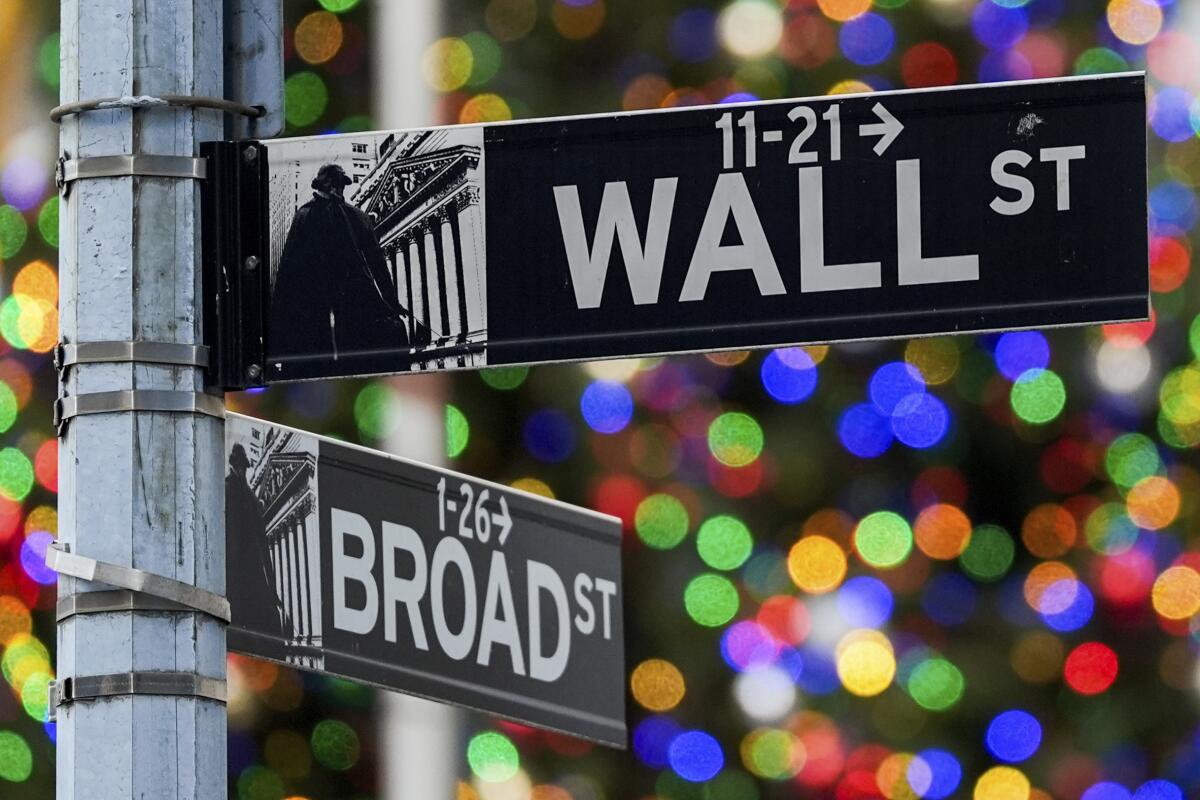
The screen is a sea of red
Oil is back. Markets are bleeding. The narrative of a soft landing just hit a wall of expensive hydrocarbons. This morning, Brent Crude surged past $97 per barrel, a level not seen since the supply shocks of late 2024. The equity markets are reacting with predictable violence. The S&P 500 opened down 2.2 percent while the Nasdaq Composite shed 3.1 percent in the first hour of trading. This is not a drill. It is a fundamental repricing of risk based on the reality that energy remains the primary driver of global inflation.
The trigger was a series of supply disruptions in the Permian Basin coupled with escalating tensions in the Strait of Hormuz. For months, the market lived in a fantasy of disinflation. That fantasy died at 8:00 AM ET today. Per the latest Bloomberg Surveillance reports, the correlation between rising energy costs and falling tech valuations has reached a three-year high. When energy costs spike, the discount rate applied to future earnings must rise. Silicon Valley is feeling the heat of a physical world it tried to ignore.
Volatility Index and Brent Crude Performance
The mechanics of the margin squeeze
Inflation is a persistent ghost. It haunts the balance sheets of every transport and manufacturing firm in the country. We are seeing a massive expansion in the crack spread. This is the difference between the price of crude oil and the petroleum products extracted from it. Refineries are operating at 96 percent capacity, yet they cannot keep up with the sudden demand spike. This bottleneck is inflationary by nature. It forces logistics companies to implement fuel surcharges that are immediately passed to the consumer.
The Federal Reserve is now trapped in a corner of its own making. If they raise rates to combat this energy-driven inflation, they risk a hard landing. If they hold steady, they risk an inflationary spiral. The CME FedWatch Tool now shows a 65 percent probability of a 50-basis point hike in the next meeting, a sharp reversal from last week’s dovish sentiment. The bond market is already pricing in this pain. The 10-year Treasury yield has spiked to 4.85 percent, sucking liquidity out of risk assets and into the safety of government debt.
Sector Performance Comparison
The divergence in the market is stark. While the broader indices are tumbling, the energy sector is the sole beneficiary of the chaos. Investors are rotating out of high-growth tech and into the “old economy” stocks that generate real cash flow from physical commodities. This rotation is often messy and leads to the intraday volatility we are witnessing today.
| Sector Index | 24-Hour Change | 2026 YTD Performance |
|---|---|---|
| Energy (XLE) | +4.25% | +18.1% |
| Technology (XLK) | -3.82% | -2.4% |
| Consumer Discretionary (XLY) | -2.91% | -5.6% |
| Financials (XLF) | -1.15% | +1.2% |
The Permian Plateau and supply constraints
Supply is the missing variable in the current equation. For years, the market assumed that American shale would be the “swing producer” that could stabilize prices. That assumption is proving false. Production in the Permian Basin has hit a plateau. Geological constraints and a lack of new capital investment have capped output. According to the EIA Weekly Petroleum Status Report, domestic inventories are at their lowest seasonal levels in a decade. There is no safety net left.
This is a structural shift. The transition to green energy, while necessary, has left a gap in the global energy mix that renewables cannot yet fill. We are living in the “interregnum,” a period where the old energy system is dying and the new one is not yet fully born. In this gap, volatility is the only constant. Traders who bet on a smooth transition are now paying the price in realized losses. The cost of carbon is going up, whether through taxes or through the raw price of a barrel of oil.
Watching the data points
The next 72 hours are critical for market stability. The focus now shifts from the trading floor to the bureaucratic offices of the Bureau of Labor Statistics. Every analyst is looking toward the March 12 CPI release. If the headline number reflects this week’s oil spike, the market will likely test the support levels established in early 2025. Watch the $98.50 level on Brent Crude closely. A break above that mark could trigger a secondary wave of algorithmic selling in the equity markets as risk-parity funds rebalance their portfolios. The bull market is gasping for air, and the air is getting expensive.