The world’s most vital artery is clotted
Supply chains are fragile. The Strait of Hormuz is the breaking point. This narrow strip of water, separating the Persian Gulf from the Gulf of Oman, is currently the single most significant threat to the global financial architecture. Approximately 21 million barrels of oil flow through this passage every day. That is roughly 21 percent of global petroleum consumption. When this artery constricts, the global economy suffers a myocardial infarction. We are seeing the early symptoms in the futures market today. The geopolitical reality is that the geometry of the strait forces tankers into a two-mile-wide shipping lane. It is a tactical nightmare and a financial catastrophe. Markets are no longer pricing in a risk premium. They are pricing in a structural shift.
Morgan Stanley sounds the alarm on the market cycle
The narrative of a soft landing is dead. Serena Tang, Chief Cross-Asset Strategist at Morgan Stanley, recently argued that the closure of the Strait of Hormuz could define the entire market cycle. This is not mere hyperbole from the sell-side. Tang’s analysis suggests that the shock to oil prices will ripple through every asset class, from sovereign bonds to consumer discretionary stocks. The mechanism is simple but devastating. Higher energy costs act as a regressive tax on the global consumer. This erodes purchasing power while simultaneously forcing central banks to maintain restrictive interest rates to combat cost-push inflation. According to Bloomberg Energy, the immediate reaction in the Brent futures market has been a move toward extreme backwardation. This indicates that traders are desperate for immediate delivery, fearing that the window for safe passage is closing indefinitely.
The exploding cost of maritime transit
Shipping is becoming uninsurable. War risk premiums for Very Large Crude Carriers (VLCCs) have surged by over 400 percent in the last seventy-two hours. Data from Reuters indicates that shipping insurance costs are now a primary driver of the landed price of crude. It is no longer just about the cost of the commodity itself. It is about the cost of the risk associated with moving it. We are seeing a bifurcation in the shipping industry. The so-called shadow fleet, operating with opaque insurance and questionable registrations, is taking on the risks that mainstream carriers refuse. This creates a secondary market that is volatile and prone to accidents. If a single tanker is disabled in the shipping lane, the physical blockage would be absolute. The technical reality of the strait means there is no viable detour for the volume of oil required to keep the global economy functioning.
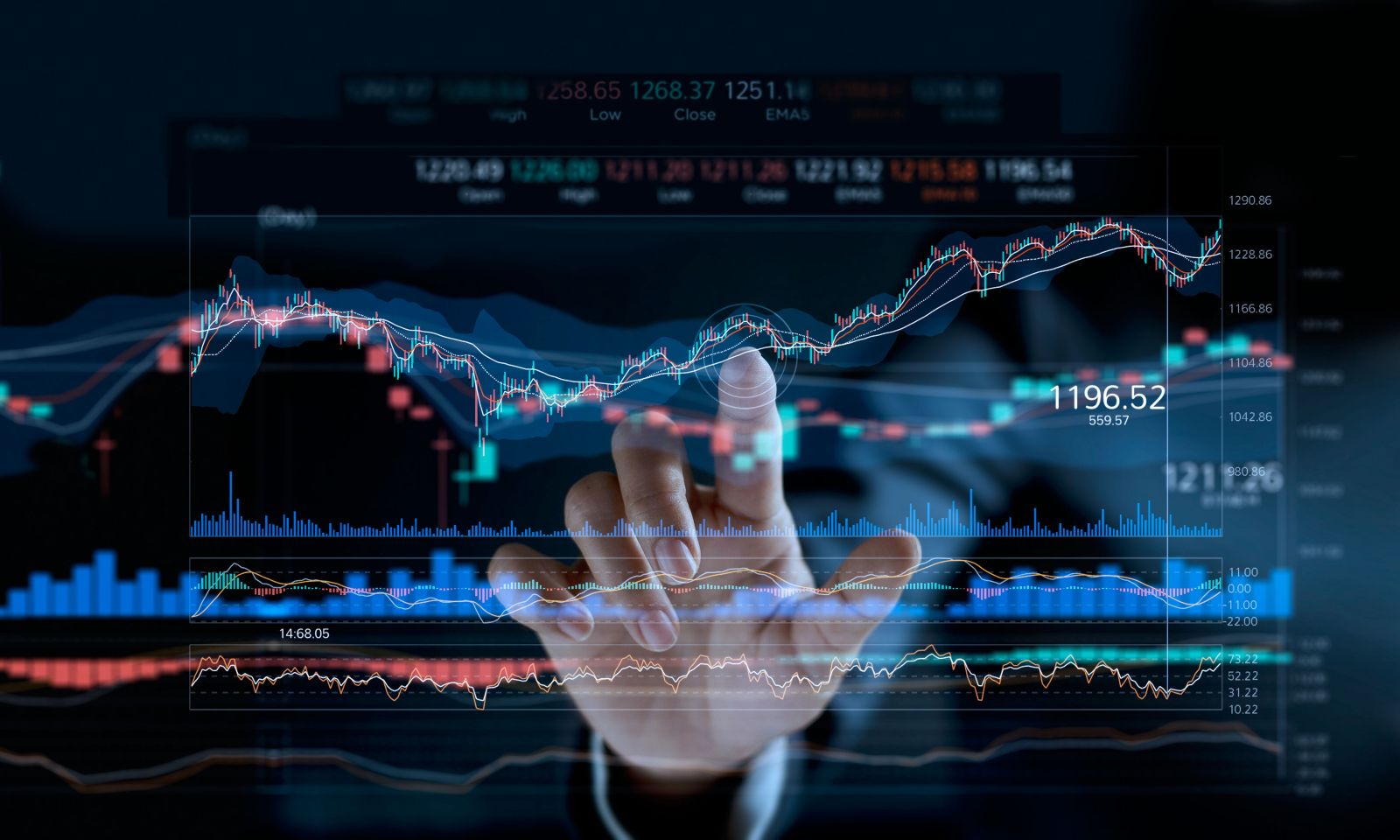
Brent Crude Spot Price Trajectory Q1 2026
The technical fallout of a supply shock
Inflation is not a ghost; it is a physical reality tied to the price of a barrel. The technical mechanism of this shock is different from the demand-led inflation of the post-pandemic era. This is a supply-side squeeze that cannot be fixed by raising interest rates. If the Strait of Hormuz remains contested, the global inventory levels will deplete at a rate of 2 million barrels per day relative to demand. The Strategic Petroleum Reserve (SPR) in the United States is already at historically low levels, leaving little room for a sustained intervention. Refineries in Asia, particularly in South Korea and Japan, are the most exposed. These economies rely almost entirely on Middle Eastern crude. A prolonged closure forces these nations to compete for Atlantic Basin barrels, driving up prices for European and American consumers in a feedback loop of escalating costs.
Geopolitical chess and the shadow fleet
Sanctions are becoming irrelevant in the face of absolute scarcity. The reliance on the shadow fleet to bypass traditional maritime law is a symptom of a fracturing global order. These vessels often operate without Western-backed Protection and Indemnity (P&I) insurance. This creates a massive liability for any coastal state along the transit route. A spill in the strait would not just be an environmental disaster. It would be a permanent geopolitical barrier. The leverage has shifted entirely to the regional actors who control the shoreline. For the first time in decades, the physical control of a geographical chokepoint is more powerful than the financial control of the global reserve currency. The market is beginning to realize that the US Navy’s ability to guarantee free trade is being tested to its limit.
The next milestone for global energy markets
Investors must look past the daily headlines to the underlying data of physical delivery. The immediate focus shifts to the emergency OPEC+ ministerial meeting scheduled for April 15. This summit will determine if there is any spare capacity left in the system to offset a total Hormuz blackout. Current estimates suggest that only Saudi Arabia and the UAE have the infrastructure to bypass the strait via pipelines to the Red Sea, but these routes can only handle a fraction of the total volume. Watch the Brent-WTI spread. If it widens beyond $15, it signals a complete decoupling of regional markets and a breakdown in global arbitrage. The world is waiting to see if the April 15 production quota adjustments can even begin to fill the 21-million-barrel hole left by a closed strait.