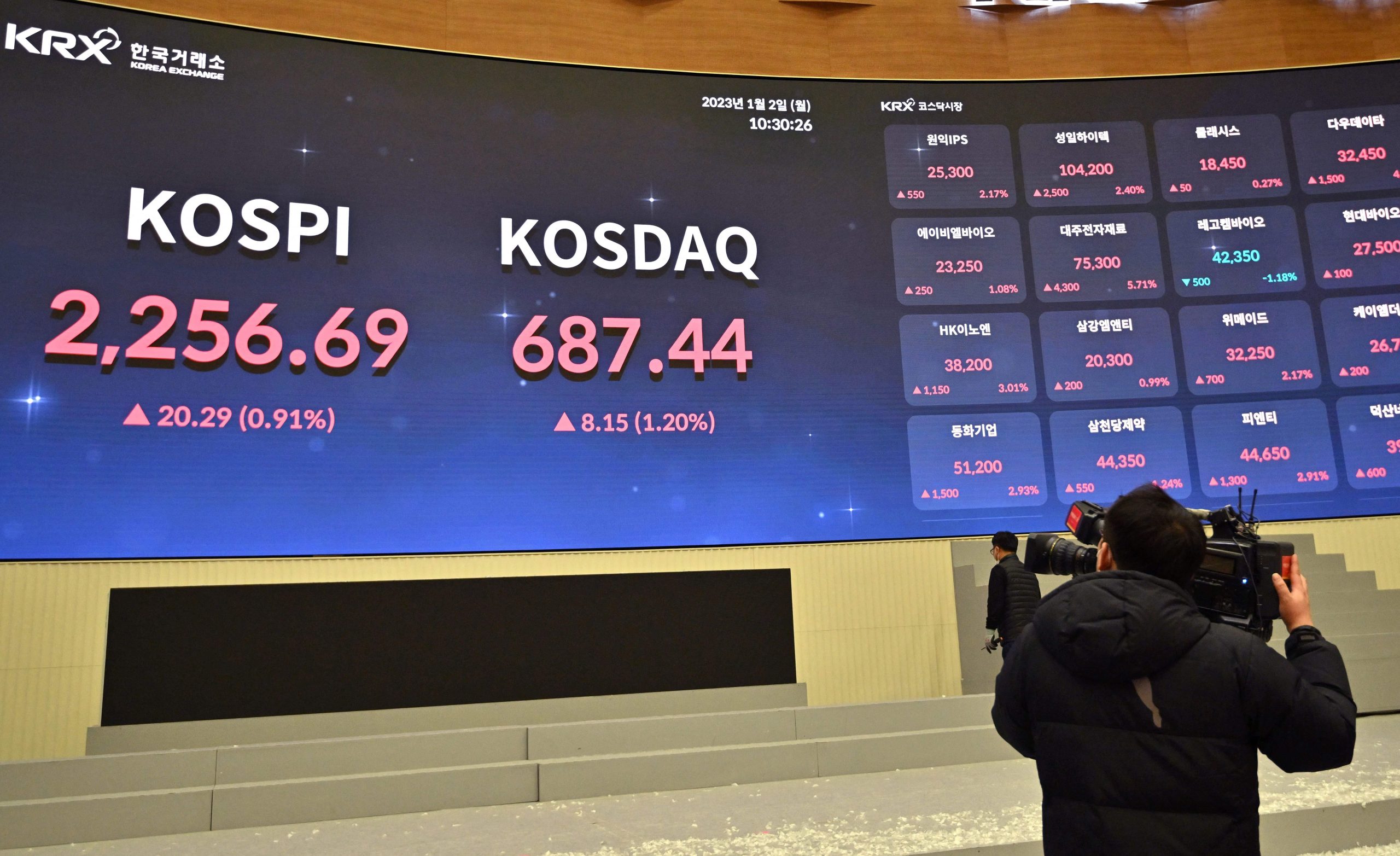
The scoreboard is red
Donald Trump just watched $1 billion evaporate. While retail investors scrambled for the exits, the largest individual holder of political crypto-sentiment saw his net worth crater alongside the digital gold he once championed. The narrative of a Bitcoin-backed treasury has hit a wall of reality. Market participants are no longer buying the dip. They are selling the news. The carnage witnessed over the last 48 hours is not a mere correction. It is a structural liquidation of the most crowded trade in modern political history.
The math is unforgiving. According to data tracked by Bloomberg, the decline in digital asset valuations since the start of April has wiped out the gains of the post-election rally. Trump’s personal crypto portfolio, heavily weighted in Bitcoin and high-beta meme tokens, took the brunt of the volatility. This was a leverage trap. The president-elect’s vocal support for a national Bitcoin reserve during the 2024 campaign created a speculative floor that has now been breached. When the floor breaks, the fall is vertical.
The mechanics of a liquidation cascade
Price action does not happen in a vacuum. It is driven by liquidity. On April 7, a massive wave of sell orders hit the order books of major offshore exchanges. This triggered a cascade of long liquidations. When traders use borrowed money to bet on rising prices, a small drop forces them to sell. This selling causes a bigger drop. The cycle repeats until the leverage is purged. This is exactly what happened to the ‘Trump Trade’ over the last 48 hours.
Institutional players saw the writing on the wall. Reports from Reuters indicate that institutional outflows from spot Bitcoin ETFs reached a record high on April 6. The smart money moved to the sidelines. They left the retail ‘HODLers’ and the Trump administration’s financial surrogates holding the bag. The technical breach of the $60,000 support level was the signal. Once that level failed, the algorithmic selling took over.
Bitcoin Price Volatility April 2026
The volatility tax on political capital
Leverage is a double-edged sword. For a political figure, financial losses are not just about the balance sheet. They are about optics. The $1 billion loss reported by Forbes highlights a deeper issue. The integration of personal wealth and volatile speculative assets creates a conflict of interest that the market is now pricing in. If the leader of the free world is susceptible to a margin call, the entire nation’s economic signaling becomes suspect.
The technical breakdown is clear. We are seeing a ‘death cross’ on the daily charts. The 50-day moving average has crossed below the 200-day moving average. In technical analysis, this is a harbinger of a long-term bear market. The euphoria of late 2024 has been replaced by the cold, hard reality of a high-interest-rate environment. The Federal Reserve has signaled that it will not cut rates as quickly as the market anticipated. This has sucked the oxygen out of the crypto room.
Portfolio Impact Analysis
| Asset Class | Estimated Exposure | 48-Hour Change | Unrealized Loss |
|---|---|---|---|
| Bitcoin (Direct) | $2.4 Billion | -18.5% | $444 Million |
| Ethereum | $850 Million | -22.1% | $187 Million |
| Meme Tokens | $400 Million | -45.0% | $180 Million |
| NFT Holdings | $150 Million | -60.0% | $90 Million |
| Total Estimated Hit | $3.8 Billion | -26.3% | $901 Million |
The numbers in the table above are conservative. They do not account for the illiquidity of certain assets. When you try to sell $400 million worth of low-liquidity tokens, you move the price against yourself. This is known as slippage. The actual realized loss could be significantly higher if a full exit were attempted today. The SEC has also intensified its scrutiny of ‘political tokens,’ adding a layer of regulatory risk that did not exist six months ago.
The institutional exodus
Why did the bottom fall out now? The answer lies in the Treasury yields. As the 10-year Treasury yield climbed back toward 4.5% this week, the opportunity cost of holding non-yielding assets like Bitcoin became too high. Institutional investors are fiduciary-bound to seek the best risk-adjusted returns. A volatile digital coin cannot compete with a guaranteed 4.5% return when the political winds are shifting. The ‘Trump Boom’ was built on the premise of deregulation and easy money. The deregulation is happening, but the money is no longer easy.
We are seeing the end of the honeymoon phase. The market is demanding results rather than rhetoric. The promise of a strategic Bitcoin reserve remains just that—a promise. Without a legislative framework or a clear path to implementation, the market has decided to revalue the asset based on its current utility. Currently, that utility is serving as a high-stakes gambling chip for the political elite. The house always wins, and right now, the house is the bond market.
The next 72 hours will be critical. Watch the $52,000 level on Bitcoin. If that fails to hold, the next support zone is not until $42,000. For the Trump portfolio, that would represent an additional $500 million in losses. The market is waiting for a statement from the Treasury or the White House. Silence will be interpreted as weakness. The volatility is the message. The next data point to watch is the April 12 CPI release, which will determine if the Fed has any room to provide the liquidity the crypto market so desperately needs.