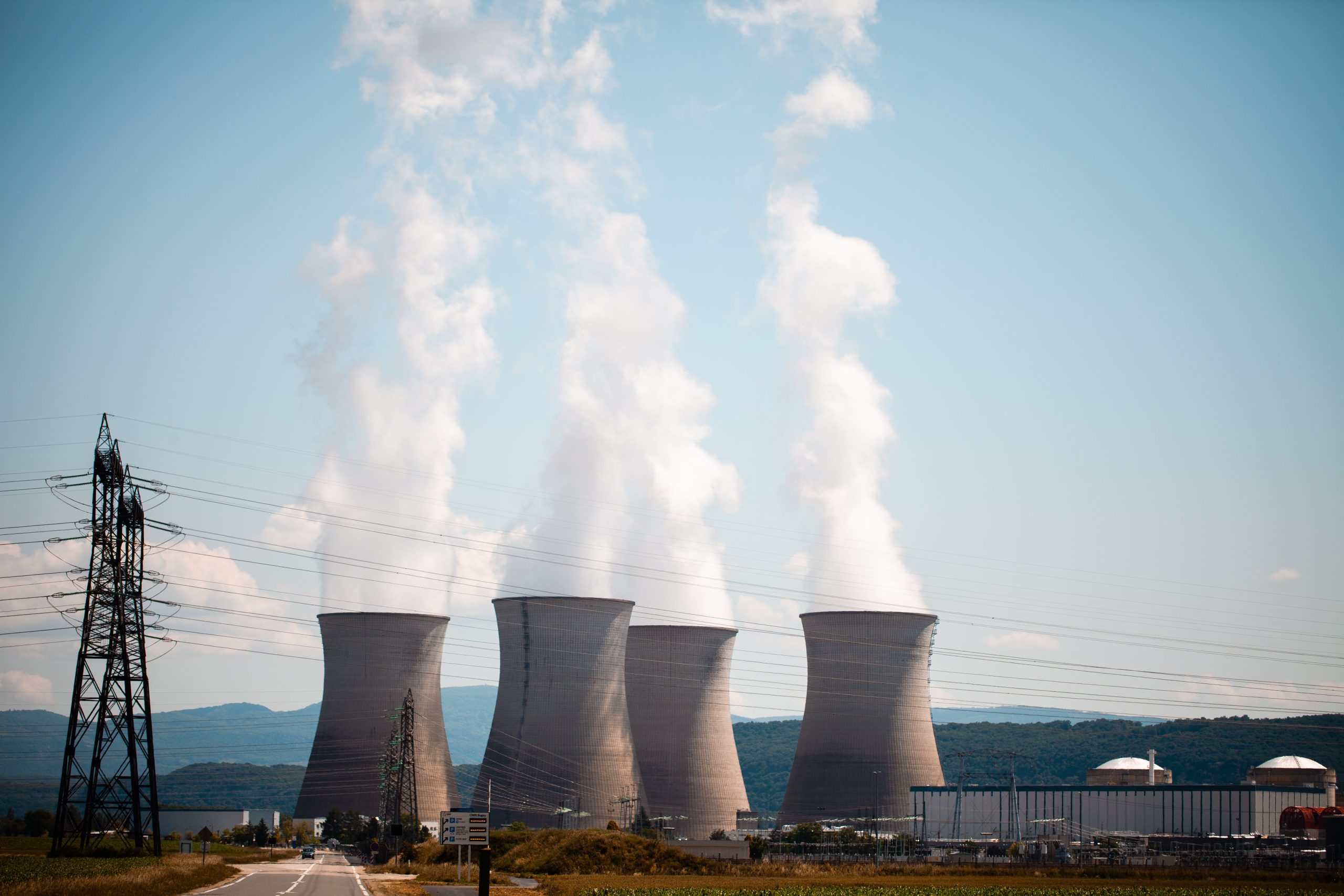
The Federal Intervention
The mercury is falling. The grid is screaming. Federal regulators are stepping in. On Saturday, the Department of Energy issued a rare emergency order to prevent the Texas electric grid from buckling under the weight of a massive winter storm. This is not a drill. It is a Section 202(c) emergency declaration under the Federal Power Act. This specific legal lever allows power plants to bypass environmental emission limits to maximize output. The goal is simple. Keep the heaters running at any cost. Even if that cost is the air quality of the Permian Basin.
The forecast is brutal. Temperatures are dropping into the single digits. Ice and snow are coating the wind turbines of West Texas. Per the Department of Energy emergency filings, the Electric Reliability Council of Texas requested this intervention because the risk of rolling blackouts has moved from theoretical to imminent. The system is designed for heat, not the biting cold of a polar vortex. When the gas lines freeze, the narrative of Texas energy independence begins to thaw.
Thermal Instability and the Gas Myth
Natural gas is the backbone of the Texas grid. It is also its greatest weakness during a freeze. The technical term is ‘freeze-off.’ This occurs when water vapor in the gas stream turns to ice, choking the flow of fuel to the power plants. Without fuel, the massive turbines stop spinning. The grid frequency drops. If it drops below 59.4 Hertz for more than nine minutes, the entire system collapses to protect the hardware. We are currently watching that frequency like a heart monitor in an ICU.
Thermal generation outages are already mounting. Reports from Bloomberg Energy suggest that over 12,000 megawatts of thermal capacity are currently offline or derated due to the cold. This is the structural flaw of an energy-only market. There is no payment for capacity, only for the energy delivered. Consequently, plant operators have historically under-invested in winterization because the ROI is non-existent during the 11 months of the year when Texas is a furnace. The market is incentivized for the average, not the extreme.
ERCOT Resource Availability (January 24)
| Fuel Source | Installed Capacity (MW) | Current Availability (MW) | Status |
|---|---|---|---|
| Natural Gas | 62,000 | 44,500 | Restricted Flow |
| Coal | 11,500 | 9,200 | Operational |
| Wind | 38,000 | 4,100 | Low Output |
| Solar | 19,000 | 200 | Storm Cover |
| Nuclear | 5,100 | 5,100 | Stable |
The Price of Scarcity
Electricity prices are hitting the ceiling. In the real-time market, prices have spiked to the regulatory cap of $2,500 per megawatt-hour. For context, the average price is usually around $30. This is the ‘scarcity pricing’ mechanism in action. It is designed to force industrial users to shut down and lure every possible electron onto the grid. But you cannot lure gas that is frozen in a pipe. You cannot lure wind that is silenced by ice-loaded blades.
The financial fallout will be felt for years. During previous storms, municipal utilities and retail providers were pushed to the brink of bankruptcy. The current surge in wholesale prices is creating a massive liquidity drain for market participants. According to data from Reuters, the collateral requirements for trading on the Texas hub have quadrupled in the last 48 hours. This is a credit crisis disguised as a weather event.
Visualizing the Supply Gap
The Regulatory Failure
Why are we here again? After the 2021 disaster, the Texas Legislature passed several bills aimed at ‘weatherization.’ But the enforcement has been uneven. The focus was on the power plants, yet the gas supply chain remains the Achilles heel. The Railroad Commission of Texas, which regulates the gas industry, has allowed for numerous exemptions in winterization requirements. This regulatory gap is where the grid fails. If the gas does not flow, the lights do not glow.
The Energy Department’s Saturday declaration is a temporary bandage on a compound fracture. It allows for the suspension of the Clean Air Act, but it does not create more fuel. It does not thaw the pipes. It merely allows the existing infrastructure to run at 110 percent capacity without fear of federal fines. It is a desperate move for a desperate moment. The grid is currently operating with a reserve margin of less than 3,000 megawatts. In a system that consumes 80,000 megawatts, that is a razor-thin margin of error.
The next 48 hours will be the ultimate test of the post-2021 reforms. If the grid holds, the current administration will claim victory. If it fails, the political and economic consequences will be seismic. We are watching the intersection of aging infrastructure and extreme climate volatility. The math is unforgiving. When demand exceeds supply, the physics of the grid dictates that something must give. Usually, that something is the consumer’s access to heat.
The critical data point to watch is the Monday morning peak at 7:00 AM. Forecasts suggest a demand surge that could exceed 86,000 megawatts. If thermal outages increase by even another 5 percent before that window, ERCOT will be forced to initiate Level 3 Emergency Operations. This would trigger the first statewide controlled outages since the 2021 collapse. Watch the ‘Physical Responsive Capability’ (PRC) numbers on the ERCOT dashboard. If that number dips below 1,000 MW, the lights go out.