The 48 Hour Liquidation That Burned the Tech Playbook
The euphoria died at 4:01 PM on Thursday. After eighteen months of algorithmic dominance fueled by generative AI promises, the market finally demanded a receipt. On Friday, November 21, 2025, the S&P 500 closed at 5,412.80, a decisive breach of the 200 day simple moving average that institutional desks have defended since the summer of 2024. This is no longer a healthy correction. This is a fundamental repricing of risk as the ten year Treasury yield touched 4.91 percent, its highest level since the October 2023 scare.
Retail investors spent the last year treating Nvidia and Microsoft as sovereign safe havens. That assumption evaporated following the November 20 earnings release from Nvidia. While the company posted revenue of 42.1 billion dollars, the whisper numbers had moved the goalposts to 45 billion. More importantly, gross margins contracted to 72.4 percent, down from 75.1 percent in the previous quarter. The message from the supply chain is clear: the hardware build out is hitting a wall of diminishing returns. Per the latest Bloomberg market data, the technology sector shed 412 billion dollars in market cap in just two trading sessions.
The Death of the Magnificent Seven Monolith
The divergence is visceral. For years, these seven stocks moved in a synchronized upward spiral. Today, they are cannibalizing each other for dwindling liquidity. Apple remains stagnant as iPhone 17 Pro Max pre-orders in the critical Asia-Pacific region fell 12 percent short of internal projections. Meanwhile, Tesla is reeling from the November 19 regulatory filing indicating a massive pivot in autonomous driving capital expenditures that analysts did not price in for 2025. The technical damage is widespread. When the S&P 500 sliced through 5,450 on Friday afternoon, it triggered a wave of systematic selling from volatility targeting funds.
Systemic Technical Failure at the 5,400 Level
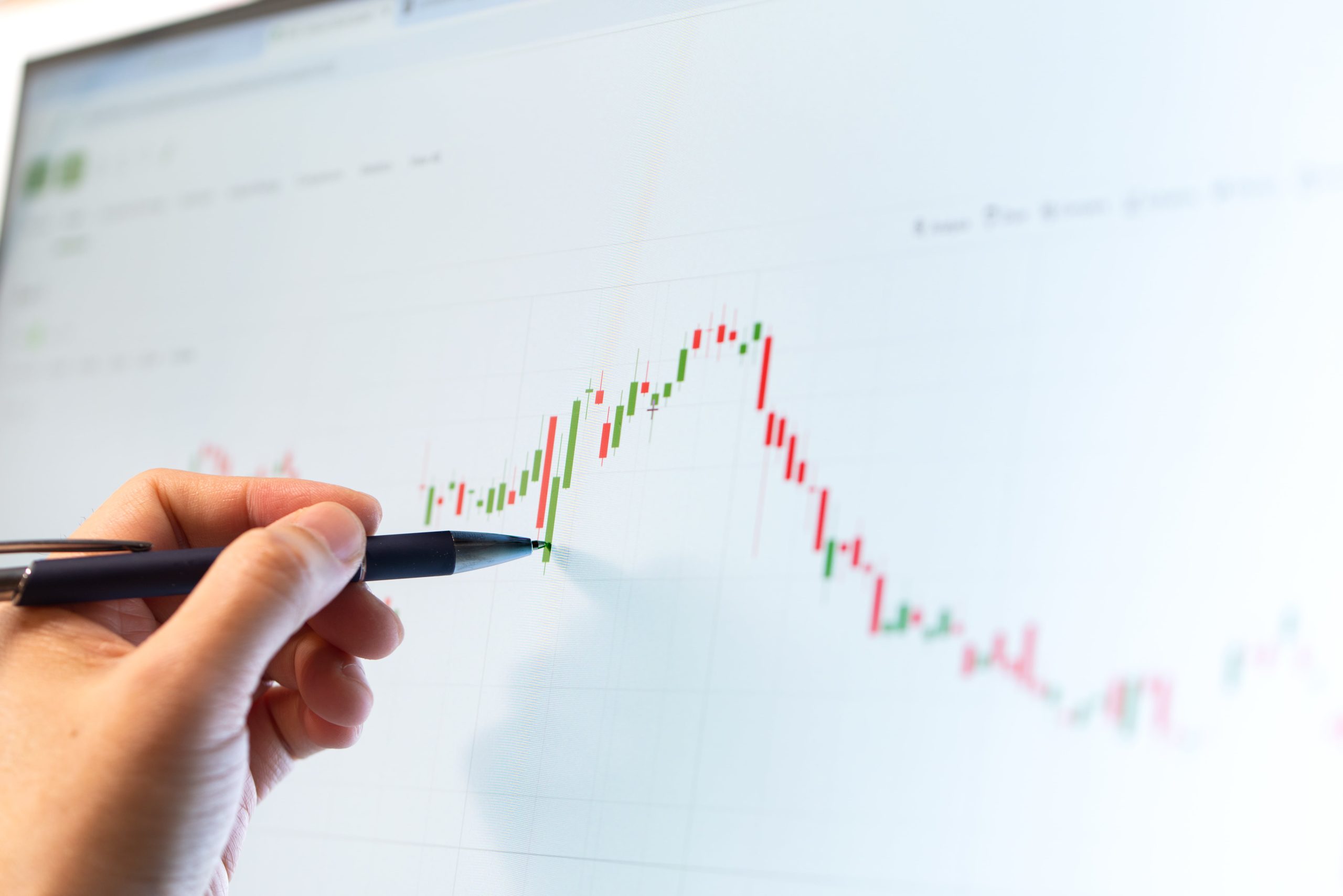
Support is a memory. The 5,400 level on the S&P 500 was supposed to be the floor where the dip buyers emerged. Instead, the Friday close at 5,412 suggests a vacuum of buyers. This price action mirrors the 2022 bear market entry points, where the initial break of the 200 day average led to a secondary 8 percent flush within three weeks. Traders are now eyeing the 5,280 level as the next logical area of interest, representing the 38.2 percent Fibonacci retracement of the entire 2024 rally.
Volume tells the real story. Friday’s selling occurred on 140 percent of the thirty day average volume. This was not retail panic; it was institutional de-grossing. According to Reuters financial reporting, hedge funds have reduced their net long exposure to mega-cap tech to the 15th percentile, a level not seen since the Silicon Valley Bank crisis. The rotation is moving into defensive staples and utilities, sectors that were ignored during the AI gold rush but now offer 5 percent dividend yields that rival the risk-free rate of Treasuries.
Why High Interest Rates Finally Broke the Growth Model
Gravity is back. For most of 2024 and 2025, tech stocks ignored the Federal Reserve’s “higher for longer” rhetoric because earnings growth exceeded the cost of capital. That math changed this week. With the 10-year Treasury yield hovering at 4.91 percent, the discounted cash flow models for companies like ASML and AMD are being slashed. When the cost of borrowing for a Tier 1 corporation exceeds 6 percent, the net present value of earnings expected in 2028 drops by 20 percent or more. This is the valuation mechanical reality that the market is finally digesting.
The October CPI report, which showed a sticky 3.4 percent core inflation rate, has effectively killed hopes for a December rate cut. Investors who were positioned for a pivot are now caught in a liquidity trap. They are forced to sell their winners, which happen to be the tech giants, to cover margin calls on their losing bets in small-cap growth and over-leveraged real estate. This contagion is visible in the VIX, which spiked to 24.5 on Friday, a level indicating significant structural fear.
The Technical Mechanism of the Liquidity Vacuum
Market makers are widening spreads. In the last 48 hours, the bid-ask spread on out-of-the-money puts for the QQQ ETF has doubled. This makes it prohibitively expensive for portfolio managers to hedge their downside, forcing them to sell underlying shares instead. We are seeing a classic feedback loop: price drops trigger delta-hedging from option dealers, which pushes price lower, triggering more selling. The lack of a buyer of last resort is the most concerning development since the mid-2025 peak.
The focus now shifts to the credit markets. If high-yield spreads begin to blow out alongside the tech decline, we move from a valuation correction to a systemic credit event. Currently, the spread between junk bonds and Treasuries has widened by 45 basis points since Wednesday. While not yet at 2008 levels, the rate of change is what keeps Chief Risk Officers awake at night. You can see the stress in the latest SEC filings from major regional banks, which show an uptick in unrealized losses on their bond portfolios as yields climb.
Watch the January 15, 2026, Treasury auction. This will be the first major test of global appetite for US debt in the new year. If the bid-to-cover ratio falls below 2.1, expect another 150 basis point spike in the S&P 500 volatility index. The market is no longer looking for growth; it is looking for a reason to believe the floor exists.