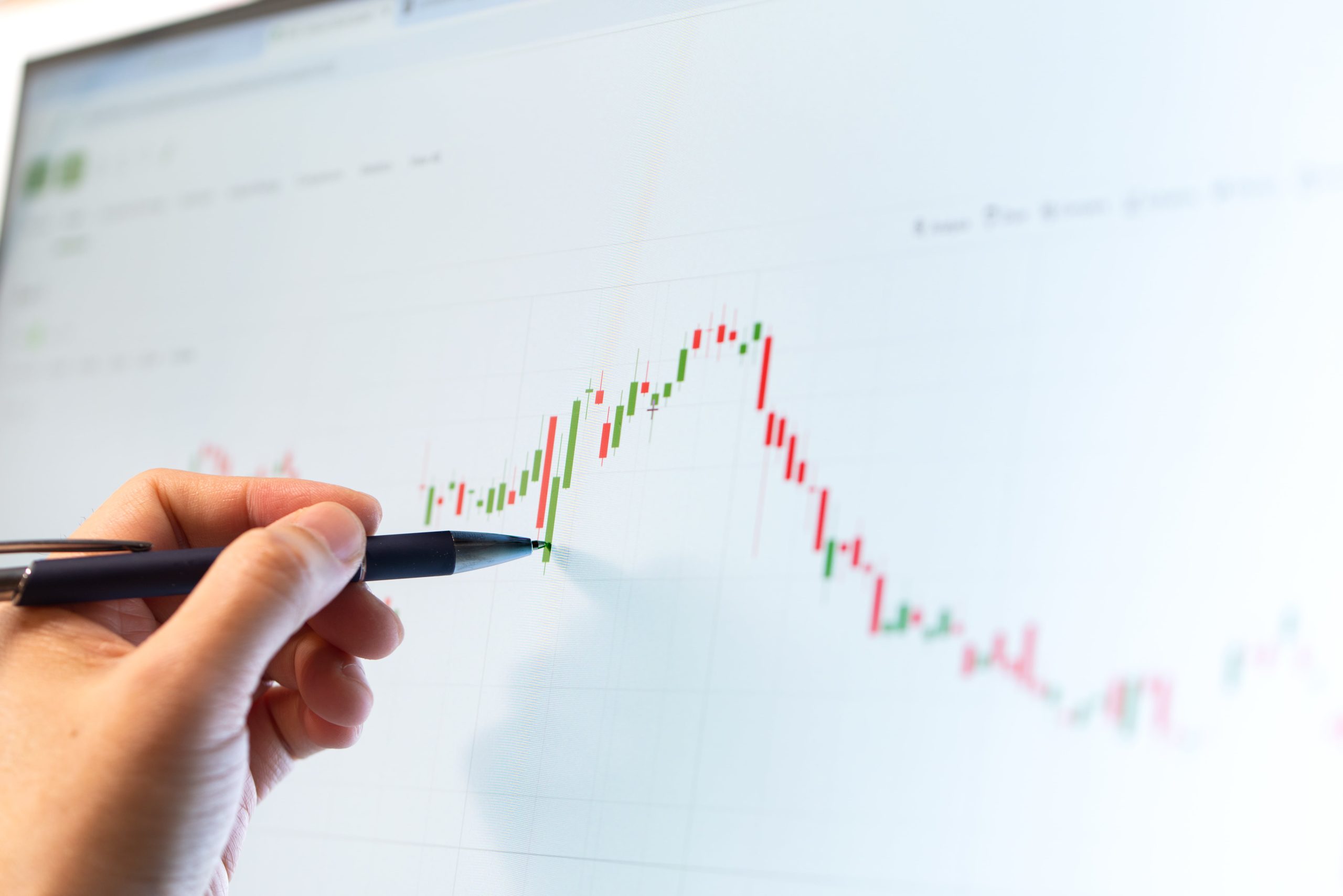
The smart money is moving toward the exits while retail traders are still mesmerized by the flashing lights of the AI rally. On this Tuesday, October 14, 2025, the market is presenting a dangerous illusion of stability. While the Dow managed a modest 0.4% gain, the tech-heavy Nasdaq and the S&P 500 are showing the first signs of a structural breakdown. The benchmark S&P 500 slipped to 6,644.31 today, effectively wiping out the relief rally from Monday and leaving the index nearly 2% below its October 8 peak.
The Data Vacuum and the Shutdown Fog
Wall Street is currently flying blind. The U.S. government shutdown, now in its 14th day, has silenced the Bureau of Labor Statistics. There is no official CPI data, no PPI reports, and no reliable jobs numbers to anchor valuations. This data vacuum is a breeding ground for manipulation. Institutional desks are relying on proprietary alternative data, credit card swipe metrics, and satellite imagery of shipping ports to front-run the market, while swing traders are left staring at lagging indicators like RSI and MACD that are being rendered useless by the lack of macroeconomic clarity.
Without the Federal Reserve’s usual data-dependent guidance, the market has become hyper-reactive to social media. A single post regarding soybean tariffs or cooking oil trade restrictions with China can now trigger a 100-point swing in S&P futures in minutes. The volatility is not a bug; it is a feature of a market that has lost its fundamental compass.
The Nvidia Fatigue and the AI Capex Wall
The crown jewel of the 2025 rally, Nvidia (NVDA), is showing massive exhaustion. Despite a +2.82% move yesterday to close at $188.32, the stock is struggling to maintain momentum above its session pivot points. The skeptics are finally asking the right question: When does the $600 billion in AI capital expenditure turn into actual net income for the hyperscalers?
Rumors of Blackwell shipment delays and cooling demand from second-tier cloud providers are starting to leak into the order flow. While the Zacks Consensus estimates still project 55% revenue growth, the market has already priced in perfection. A swing trade entered here is not a bet on technology; it is a bet that the bubble can expand indefinitely against a backdrop of 4% Treasury yields and a looming global trade war.
48-Hour Ticker Performance Comparison
| Ticker | Oct 14 Close | 2-Day Change | Risk Signal |
|---|---|---|---|
| NVDA | $188.32 | -0.85% | Exhaustion Gap |
| WFC | $71.42 | +7.20% | Yield Curve Play |
| JPM | $218.44 | -1.90% | Inflation Warning |
| GOLD (Spot) | $4,155/oz | +1.8% | Safe Haven Flight |
The Gold Divergence: A Warning Shot
While equity traders are squabbling over whether to buy the dip in tech, gold is screaming a different message. Today, gold futures hit a staggering record high of $4,190 an ounce before settling near $4,155. Traditionally, a surging stock market and record-high gold prices do not coexist for long. One of them is lying.
The divergence suggests that the institutional players are quietly hedging against a currency crisis or a catastrophic failure in the trade negotiations between Washington and Beijing. When Jamie Dimon, CEO of JPMorgan, warns of “uncertainty stemming from complex geopolitical conditions and the risk of sticky inflation,” he is not talking to the retail swing trader; he is talking to the bond market. The fact that JPM stock fell nearly 2% despite beating earnings estimates tells you everything you need to know about the current risk appetite.
Why Technical Indicators are Failing the Test
Most traders are taught to look for an RSI below 30 to spot a buy-the-dip opportunity. However, in a liquidity-void market caused by a government shutdown, these oscillators become traps. We are seeing a “Gamma Flip” where market makers are forced to sell into declining prices to hedge their options exposure, creating a feedback loop that technical indicators cannot account for.
The real alpha right now is in the credit spreads. As yields on the 10-year Treasury stabilize around 4.02%, the spread between high-yield corporate debt and Treasuries is beginning to widen. This is the first crack in the “soft landing” narrative that has propped up the 2025 bull market. Swing traders who ignore the bond market today will likely be the liquidity for the institutions tomorrow.
Keep a close eye on the January 15, 2026, Federal Reserve meeting. With the current data blackout, that session is being priced as the moment of truth for the Fed’s next major interest rate pivot.