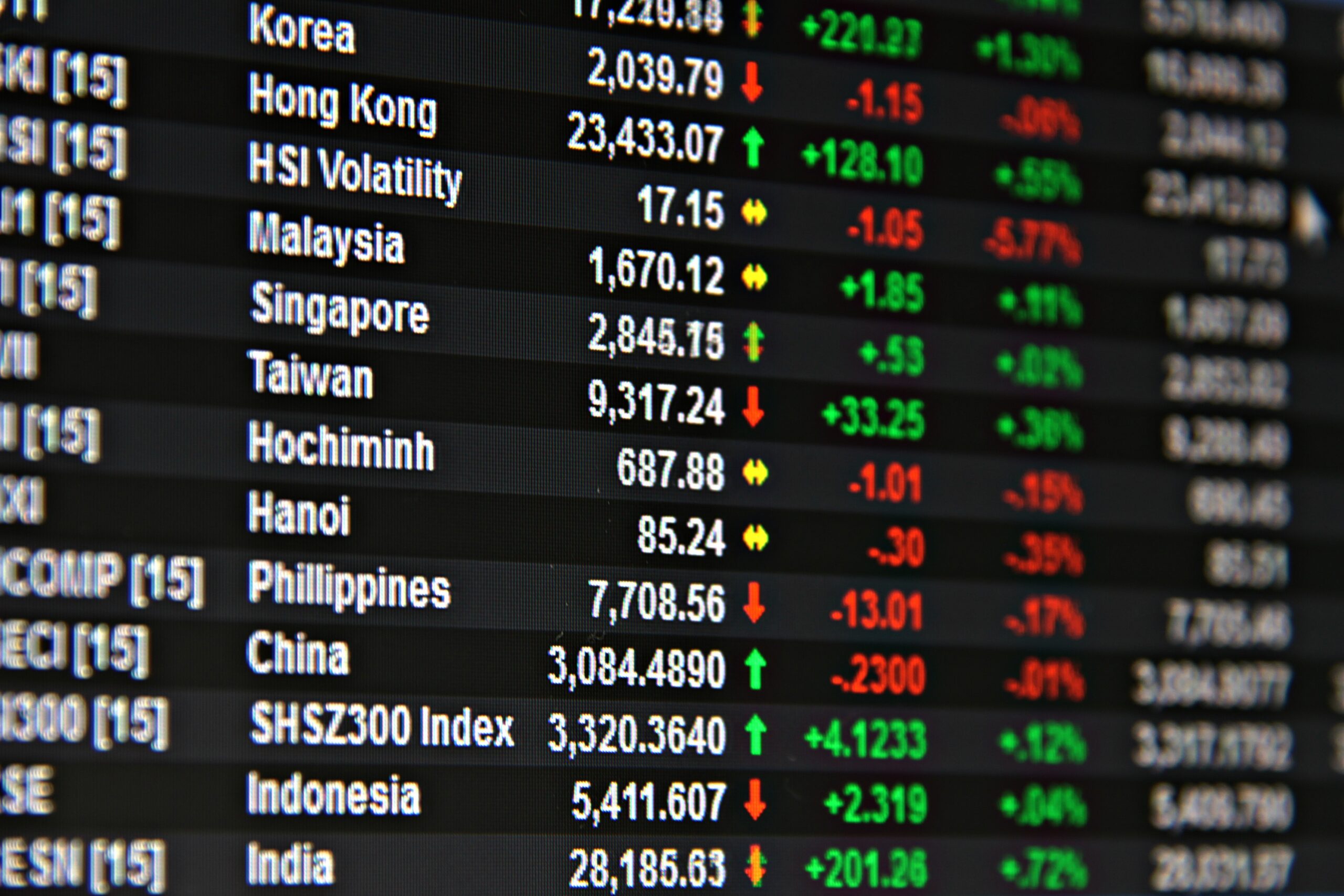
The consensus is fractured. As the Federal Open Market Committee (FOMC) prepares to convene for its final meeting of the year on December 9, the air of certainty that defined the first half of 2025 has evaporated. While the CME FedWatch Tool currently assigns an 89 percent probability to a 25 basis point cut—lowering the target range to 3.50 to 3.75 percent—the bond market is signaling a different story entirely. The 10-year Treasury yield is not behaving like a market anticipating a dovish reprieve. It is behaving like a market under siege.
Yields are surging. The 10-year benchmark climbed to 4.19 percent this morning, continuing a aggressive trend that began after the November 5 tariff announcements. This isn’t just a technical correction. It is a fundamental rejection of the "soft landing" narrative that dominated the early 2025 cycle. Investors are no longer pricing in the Fed’s next move; they are pricing in the "term premium" associated with a thirty trillion dollar debt pile and a government that just emerged from a bruising October-November shutdown.
The Data Fog of the Autumn Shutdown
Context matters. The Bureau of Labor Statistics (BLS) is currently operating in a data vacuum. Due to the five-week lapse in appropriations that paralyzed federal agencies this fall, the official November jobs report—originally scheduled for last Friday—has been pushed to December 16. This delay has left the Fed flying blind. Early leaks from the household survey suggest a troubling uptick in the unemployment rate to 4.6 percent, yet wage growth remains stubbornly high at 4.2 percent year-over-year.
This is the stagflationary trap Jerome Powell warned about in 2023, now fully realized in late 2025. The "Liberation Day" tariffs on imported goods have begun to filter through to the Consumer Price Index (CPI), making the Fed’s dual mandate of price stability and maximum employment increasingly contradictory. If the Fed cuts on December 10, they risk fueling a re-inflation fire; if they pause, they risk a hard landing as the labor market cools faster than expected.
The Rise of the Bond Vigilantes
Trust is decaying. We are seeing the return of the "Bond Vigilantes," a term popularized in the 1980s to describe investors who protest inflationary policies by dumping Treasuries. Per Reuters data, the spread between the 2-year and 10-year yields has widened to its most aggressive level since the spring. This is a clear vote of no confidence in the long-term fiscal trajectory. While the administration claims that cutting waste and fraud will cool inflation, the market is looking at the actual deficit figures, which have not budged.
Technical resistance is the enemy. The 10-year yield is testing the critical 4.20 percent level. If it breaks above this on the back of a "hawkish cut" this Wednesday, mortgage rates—already averaging 6.8 percent—will likely surge back toward 7.2 percent. This would effectively freeze the residential real estate market heading into the new year, a sector already reeling from the supply-side shocks of the trade wars.
Corporate Valuations in a High-Rate Reality
Equities are vulnerable. The S&P 500, which spent much of 2025 hovering near the 6,000 mark, is now facing a valuation reckoning. When the risk-free rate (the 10-year Treasury) sits above 4 percent, the equity risk premium must be higher to justify holding stocks. Tech giants like NVIDIA and Microsoft, which rely on low discount rates to justify their future earnings, have seen their P/E multiples contract by 8 percent in the last 48 hours alone.
Financial sectors are splitting. Large-cap banks are benefiting from the steeper yield curve, which improves net interest margins. However, regional banks are struggling with the "held-to-maturity" losses on their bond portfolios. According to Bloomberg, the unrealized losses across the top 25 regional banks have increased by $14 billion since the government shutdown began in October.
Operational Mechanics of the Current Sell-Off
Why is this happening now? The mechanism is simple: liquidity. During the shutdown, the Treasury Department was forced to limit new debt issuance. Now that the government is fully operational again, a massive supply of T-bills and long-dated bonds is hitting the market simultaneously. This flood of paper is overwhelming demand, forcing yields higher to attract buyers. It is a classic liquidity trap exacerbated by political volatility.
Watch the dollar. The USDX index is hovering near 106.00. A strong dollar coupled with high yields is a toxic combination for emerging markets and multi-national corporations. If the Fed cuts this week but indicates a pause for the first quarter of 2026, the dollar could skyrocket, further depressing international earnings for the S&P 500.
The Shift in Sector Strategy
Investors are moving. Defensives like healthcare and consumer staples are seeing inflows as traders rotate out of high-growth tech. The "Magnificent Seven" are no longer a monolith; they are being picked apart based on their debt-to-equity ratios and their sensitivity to capital expenditure costs. For the first time in three years, "Cash is King" is not just a slogan; it is a defensive necessity as the market seeks to navigate the Decemeber data fog.
The next major milestone is the January 9 employment report. This will be the first clean look at the U.S. labor market without the distortion of the autumn shutdown. Until that data is in hand, the Fed’s dot plot is merely a collection of educated guesses. Keep a close eye on the 4.20 percent resistance level on the 10-year yield. If the vigilantes win this week, the Fed’s December cut will be the most expensive "easing" in modern history.