6,983. That is the exact technical threshold where the momentum-chasing bears finally capitulated this week. While the mainstream media remains fixated on the ongoing U.S. government funding gridlock, the institutional tape is telling a radically different story. The S&P 500 index has not just broken out; it has obliterated the upper boundary of a multi-month broadening wedge, a pattern that historically signals exhaustion but, in this cycle, represents a massive liquidity injection.
The Myth of Reopening and the Reality of Acceleration
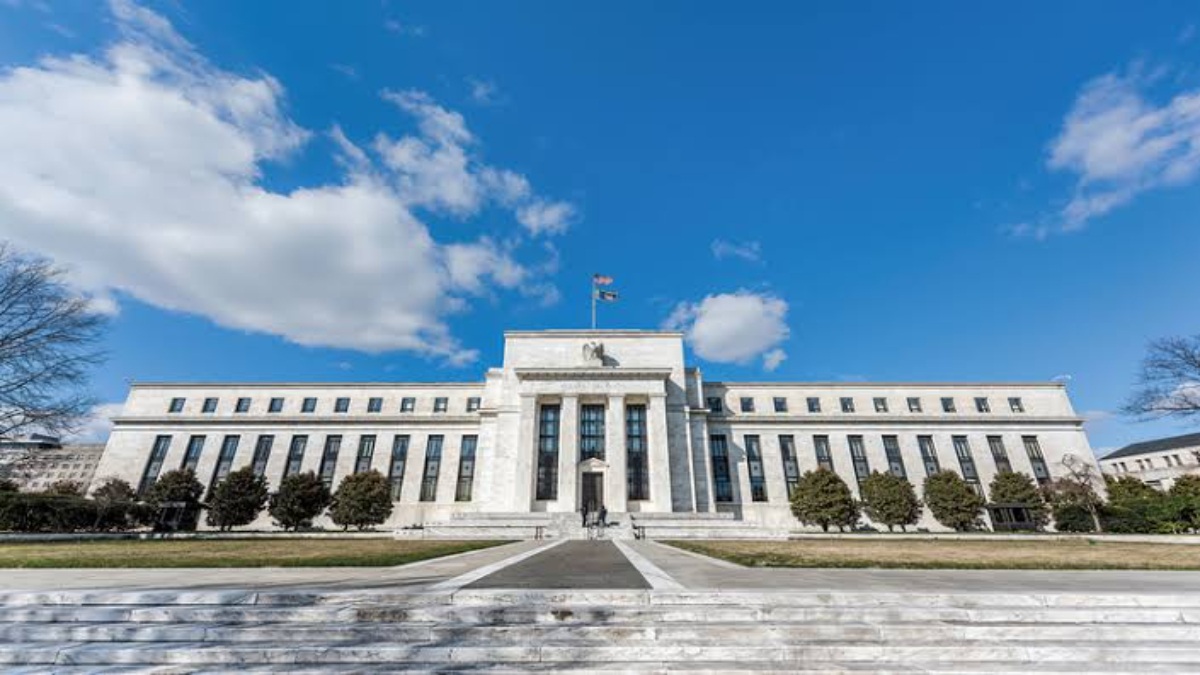
Generic market commentary often cites reopening optimism to explain current price action. That narrative is dead. On November 12, 2025, the market is not recovering from a pandemic; it is pricing in a structural shift toward autonomous productivity and a definitive pivot by the Federal Reserve. Per the latest Federal Reserve FOMC minutes, the 25-basis point cut in September was not a defensive move but an insurance policy against labor market softening. This policy shift, combined with the U.S. dollar’s recent stabilization, has created a goldilocks zone for large-cap equities.
The broadening wedge breakout is significant. Typically, these patterns are bearish indicators of widening volatility and indecision. However, when an index breaks upward through the resistance line of a megaphone pattern, it signals an impulsive move driven by institutional re-allocation. We are seeing a flight to quality. The S&P 500 is now trading significantly above its 50-day moving average, which sat at 6,729 as of Friday’s close. This is a clear signal that the underlying trend is accelerating, not fading.
Q3 2025 Earnings Performance by Sector
Data from the current earnings season validates this price action. With over 91% of the S&P 500 having reported, the blended earnings growth rate stands at 13.1% year-over-year. This is a massive beat against the 7.9% consensus estimate recorded at the start of October. The following table breaks down the leaders and laggards that are defining the path to 7,000.
| Sector | Earnings Growth (YoY) | Revenue Growth (YoY) | Relative Strength Index (RSI) |
|---|---|---|---|
| Information Technology | 20.9% | 11.4% | 68.4 |
| Financials | 11.5% | 5.2% | 54.1 |
| Utilities | 17.9% | 4.8% | 61.2 |
| Energy | -4.0% | -1.2% | 42.8 |
Concentration Risk and the 6780 Floor
While the index is targeting 7,000, the concentration of gains remains a double-edged sword. The Information Technology sector now accounts for roughly 38.5% of the total index weight. This dominance is the primary driver of the recent breakout, as institutional investors hedge against inflation by buying into high-margin, cash-rich tech giants. The following visualization illustrates the current sector distribution as of November 12, 2025.
The 6,780 support level is more than a psychological number. It represents the confluence of the 20-day exponential moving average and the previous breakout point from the October range. Any retracement to this level would likely meet aggressive buying pressure, as the VIX remains steady near 19, indicating that while there is awareness of risk, there is no panic. Institutional hedging through put options has increased, yet the spot price continues to climb, a phenomenon known as a “gamma squeeze” in high-beta tech names.
The Inflation Outlook and Government Shutdown Volatility
Tomorrow, November 13, the Bureau of Labor Statistics is scheduled to release the October Consumer Price Index (CPI) report. This data point is critical. Market expectations are anchored on a 2.1% annualized core inflation rate. If the print comes in hotter, it could jeopardize the Federal Reserve’s projected rate cut in December. However, traders are increasingly looking past the inflation noise. The resilience of the consumer, evidenced by the 6.3% revenue growth across the S&P 500, suggests that companies have successfully passed on costs to the end-user.
Regarding the government shutdown, historical data indicates that these events are non-events for long-term equity valuations. Per analysis on Yahoo Finance, the average market return during the last five shutdowns was actually positive. The market sees through the political theater. It focuses on the fact that a shutdown often forces a temporary pause in new spending, which can be viewed as disinflationary in the short term. The real story is the $106,000 price tag on Bitcoin and the resulting spillover of retail liquidity into the equity markets.
The technical structure of the S&P 500 is now enterring a parabolic phase. The broadening wedge was the consolidation; the current move is the expansion. For active traders, the focus is on the 6,983 resistance. A daily close above this level on high volume would confirm a move toward 7,200 before the end of the fiscal year. The primary risk remains a sudden spike in the 10-year Treasury yield, which gapped higher to 4.13% this week. If yields stabilize, the path of least resistance is up.
Looking ahead to 2026, the market is already beginning to price in the first full year of autonomous-driven margin expansion. The next major milestone to monitor will be the Q4 earnings guidance updates in January. Analysts are currently projecting a 13.7% earnings growth rate for the full year 2026. If these estimates remain stable despite the current political volatility, the S&P 500’s journey to 7,000 will be viewed as a mere pit stop in a much larger secular bull market.