The South Coast Blackout
The grid is dead. Diesel is a relic. For the fishers of Jamaica south coast, the calculation is brutal and binary. Without cold storage, a morning catch becomes evening waste. This is the reality of a post hurricane economy where centralized infrastructure has failed. The United Nations Development Programme (UNDP) recently highlighted a shift toward solar energy centers to mitigate these post harvest losses. It is a technical pivot that bypasses the traditional utility model entirely.
Market volatility in the energy sector has made fossil fuel reliance a liability. As of March 2, 2026, global Brent Crude prices fluctuated near $82 per barrel, creating an unpredictable cost floor for Caribbean nations. Jamaica remains particularly exposed. The island’s energy costs frequently hover between $0.30 and $0.40 per kilowatt hour, significantly higher than the global average. When a hurricane strikes, the cost is not just in downed lines. It is in the systemic collapse of the cold chain.
The Physics of Post Harvest Loss
Fish begins to degrade the moment it leaves the water. In the tropical heat of the south coast, the internal temperature of a snapper or grouper must be dropped to zero degrees Celsius within two hours to maintain export quality. When the power goes out, the clock starts. The current infrastructure deficit results in a loss of nearly 30 percent of total catch value during extended outages. This is a direct extraction of wealth from the local economy.
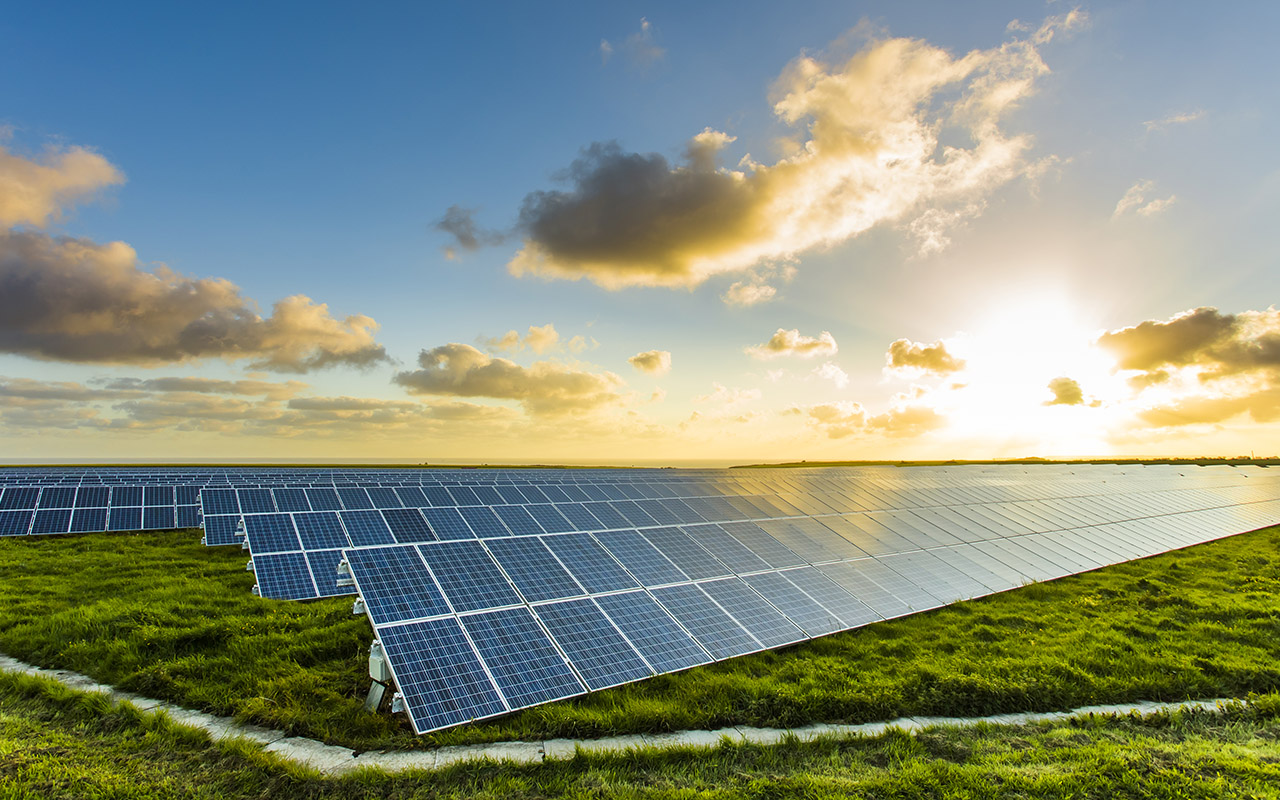
Solar energy centers are not merely a green initiative. They are a tactical economic intervention. By utilizing Lithium Iron Phosphate (LiFePO4) battery arrays, these centers provide a constant thermal baseline. Unlike lead acid alternatives, LiFePO4 chemistry handles the high ambient temperatures of the Caribbean without the same rate of thermal runaway or capacity degradation. This ensures that ice production remains constant even when the main grid is fractured.
Comparative Energy Costs in the Caribbean Basin
The following data illustrates the economic burden placed on small scale industrial operations under current market conditions. The figures reflect the cost per kilowatt hour (kWh) and the associated reliability index prior to the current solar rollout.
| Energy Source | Cost per kWh (USD) | Reliability (Post-Storm) | Maintenance Overhead |
|---|---|---|---|
| Centralized Grid (JPS) | $0.36 | Low | High |
| Diesel Generators | $0.52 | Medium | Very High |
| Solar Microgrid + Storage | $0.14 | High | Low |
Per recent analysis from Reuters, the shift toward decentralized renewables is accelerating across the Global South. The capital expenditure for solar is high, but the levelized cost of energy (LCOE) over a ten year horizon is undeniable. For a fisher in St. Elizabeth or Clarendon, the difference between $0.52 and $0.14 per kWh is the difference between a profitable season and insolvency.
Visualizing the Energy Cost Disparity
Energy Cost Comparison: March 2026
The Microgrid Architecture
The technical implementation involves more than just panels. These centers are designed as smart microgrids. They utilize maximum power point tracking (MPPT) charge controllers to squeeze efficiency out of the high afternoon sun. The energy is then diverted to industrial grade flake ice machines. Ice is the primary currency of the south coast fishing industry. It acts as a thermal battery, storing the energy of the sun in a physical state that can be transported on small vessels.
This decentralized approach solves the “last mile” problem of Caribbean energy. Traditional utilities like Jamaica Public Service (JPS) are burdened by aging transmission lines that are vulnerable to high winds and salt spray corrosion. By generating and consuming power at the point of need, the fishing cooperatives eliminate transmission loss and grid dependency. This is a structural hedge against the systemic risks identified in Bloomberg market reports regarding Caribbean infrastructure debt.
Institutional Support and Capital Flow
The collaboration between the UNDP, the Ministry of Agriculture and Fisheries (MOAF), and the National Fisheries Authority (NFA) marks a departure from standard aid models. It is an investment in productive capacity. The funding facilitates the procurement of high efficiency photovoltaic modules that can withstand Category 4 wind loads. This is a necessary specification given the increasing frequency of extreme weather events in the Atlantic basin.
The financial logic is sound. By reducing post harvest losses, the net income of local fishers increases by an estimated 22 percent. This surplus capital allows for better vessel maintenance and safety equipment, creating a virtuous cycle of industry growth. The reliance on external fuel imports is reduced, which marginally improves the national balance of trade. It is a microeconomic solution to a macroeconomic vulnerability.
The next phase of this rollout involves the integration of blockchain based energy credits for excess power sharing between cooperatives. Watch the National Fisheries Authority data release on April 15 for the first quarter metrics on ice production efficiency and spoilage reduction rates. The transition from a fragile grid to a resilient sun based economy is no longer a theoretical exercise. It is a survival strategy.