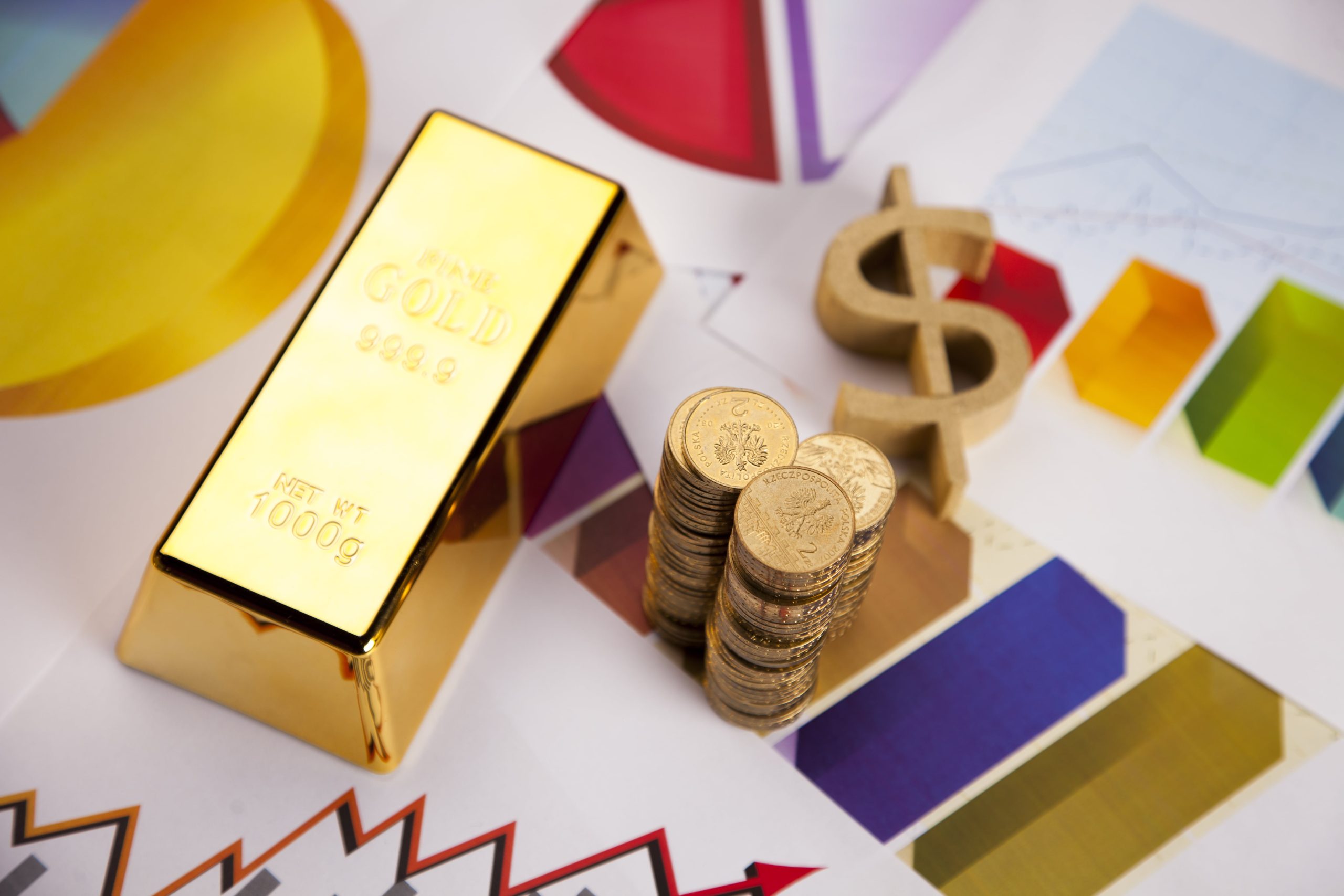
The Decisive Breakout of December 2025
Yellow gold has transitioned from a seasonal trend to a defensive macro-asset. Forty-eight hours ago, on December 17, 2025, the Federal Reserve held interest rates steady at 4.75 percent. This decision triggered a vertical ascent in gold futures, with spot prices hitting an all-time high of $2,942.10 per ounce during yesterday’s New York trading session. This is not the ‘ever-evolving’ market predicted by analysts last year. This is a structural squeeze where institutional hedging meets a retail frenzy for hard luxury. The gap between the intrinsic value of bullion and the retail markup of 18-karat jewelry has narrowed to the thinnest margin in a decade. Brands that once relied on high-margin silver and platinum are now pivoting back to yellow gold to satisfy a consumer base that views jewelry as a portable store of wealth rather than mere ornamentation.
Hard Luxury Performance vs Bullion Returns
The traditional fashion-jewelry model is collapsing under the weight of raw material costs. While the broader S&P 500 has seen a 9 percent growth over the last twelve months, gold has surged by 28 percent. This disparity has forced major conglomerates like LVMH and Richemont to implement quarterly price adjustments. According to recent retail data from Reuters, Tiffany & Co. raised the entry-point price of its 18k Gold T1 collection by 14 percent on December 1, 2025. Consumers are not being deterred. Instead, they are engaging in ‘flight-to-quality’ purchasing. They are abandoning the ‘disposable’ trend cycles of the early 2020s for pieces with high gram-weights of solid yellow gold. The allure is no longer just the warmth of the metal; it is the liquidity of the asset.
The Cartier and Van Cleef Arbitrage
Specific brands are currently acting as proxies for gold investment. The Cartier Love Bracelet in 18k yellow gold, which weighs approximately 30 to 38 grams depending on size, has seen its secondary market value appreciate in direct correlation with the COMEX gold spot price. This is a departure from previous years where brand prestige was the primary driver of resale value. Today, the ‘scrap value floor’ of these items provides a safety net that white gold and platinum do not share in the current market psyche. Per Bloomberg’s December commodities report, the demand for physical gold delivery has increased by 19 percent year-over-year, and luxury jewelry houses are competing with central banks for the same limited supply of 24k grain used for alloying. This competition is driving the ‘Yellow Gold Premium’ seen in boutiques globally.
| Brand & Collection | Gold Purity | Estimated Weight (g) | Price Increase (Q4 2025) |
|---|---|---|---|
| Cartier Love (Classic) | 18k Yellow Gold | 32g | +11.5% |
| Van Cleef Alhambra (10 Motif) | 18k Yellow Gold | 24g | +9.8% |
| Tiffany T1 Bangle | 18k Yellow Gold | 28g | +14.2% |
| Bulgari B.zero1 | 18k Yellow Gold | 12g | +8.5% |
Technical Mechanisms of the 2025 Market Shift
The technical reason for yellow gold’s dominance over white gold lies in the manufacturing cost and the Rhodium factor. In 2024 and early 2025, Rhodium prices—used to plate white gold—experienced extreme volatility. Manufacturers found that 18k yellow gold offered a more stable production cost relative to its market price. Furthermore, the 2025 consumer is technically savvy. They understand that white gold is often an alloy of gold and nickel or palladium, requiring maintenance that solid yellow gold avoids. This has led to a ‘purity pivot’ where high-net-worth individuals are requesting 22k and even 24k investment-grade jewelry, a trend previously confined to the Indian and Chinese markets but now exploding in North America and Europe. This shift is clearly documented in the latest 10-K filings of major luxury groups, which highlight a strategic move away from low-margin silver lines toward ‘High Jewelry’ gold segments.
Supply Chain Sovereignty
Ethical sourcing is no longer a marketing buzzword; it is a supply chain necessity. The 2025 implementation of stricter ‘Digital Product Passports’ in the EU means that every gram of gold must be traceable to its mine of origin. This has created a bifurcated market. ‘Clean’ yellow gold from certified recycled sources or fair-mined operations is trading at a 5 percent premium over standard bullion. Brands like Chopard and Boucheron have secured long-term contracts with specific artisanal mines to ensure they have the physical metal required for their 2026 spring collections. The scarcity is real. Smaller independent jewelers are being priced out of the raw casting grain market, leading to a consolidation of the industry where only the giants can afford to maintain inventory.
Watch the London Bullion Market Association (LBMA) fix on January 15, 2026. If the price holds above the $3,000 psychological threshold during the first major settlement of the new year, the current jewelry pricing structures will be completely rewritten, and the 18k standard may be replaced by 14k or even 10k as the new ‘luxury’ entry point for the masses.