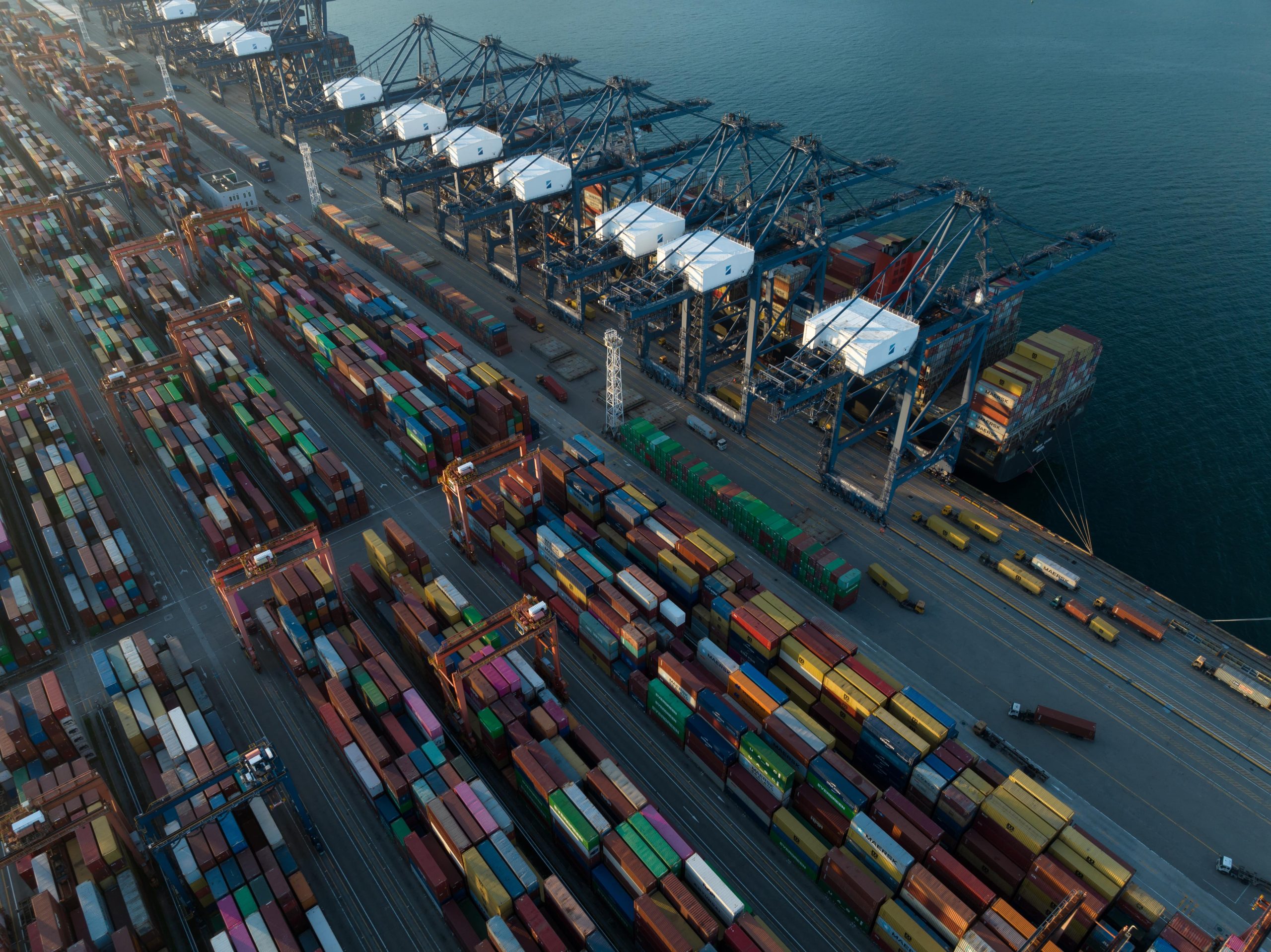
Cash flow does not lie. In the industrial outskirts of Nizhyn, the hum of diesel generators has replaced the rhythmic pulse of the national grid. For the Nizhyn Cannery, a cornerstone of the Fozzy Group portfolio, these generators represent a 300 percent increase in energy overhead compared to 2021. Yet, as of December 02, 2025, the facility is operating at 85 percent of its pre-war capacity. This is not a story of vague resilience. This is a calculation of risk versus the inescapable demand for Ukrainian agricultural exports.
The High Cost of the Nizhyn Pickle
The Nizhyn Cannery is the largest producer of canned vegetables in the region, exporting to over 20 countries. To maintain its global contracts, the facility has had to internalize the costs of a fractured supply chain. Logistics costs for shipping a container from Nizhyn to the port of Odesa have climbed from $800 in early 2022 to nearly $2,100 today. The profit margins are razor thin, but the volume is holding. Investors watching the Ukrainian consumer goods sector are no longer looking at growth; they are looking at survival metrics and the ability to maintain market share in the European Union.
Financial backing for these operations is no longer coming from traditional commercial loans. The European Bank for Reconstruction and Development (EBRD) has been the primary life support system, providing risk-sharing facilities that allow local banks like Ukrsibbank to keep the credit lines open for exporters. Without these guarantees, the interest rates for a business in Chernihiv would be prohibitive, often exceeding 25 percent in the private market.
The Hryvnia Standoff and the National Bank
The National Bank of Ukraine (NBU) is currently walking a tightrope. As of this morning, December 02, 2025, the Hryvnia (UAH) is trading at 41.85 against the US Dollar. The NBU has maintained its key policy rate at 13 percent, a move intended to curb inflation which has crept back up to 9.8 percent following the latest energy price hikes. For the international investor, this creates a unique carry trade opportunity, albeit one fraught with the danger of sudden devaluation. Per the latest Reuters market analysis, the NBU is expected to hold this line through the winter to prevent a total flight into hard currency.
The chart above illustrates the controlled depreciation of the Hryvnia over the last quarter. This is a deliberate strategy by the NBU to keep Ukrainian exports competitive while managing the massive internal deficit. For a company like the Nizhyn Cannery, this means their Euro-denominated receivables are worth more in local terms, helping to offset the skyrocketing cost of domestic diesel and labor.
The Energy Trilemma in Chernihiv
Energy is the primary bottleneck for industrial recovery in northern Ukraine. The Chernihiv region, including Nizhyn, relies heavily on a decentralized grid. Since the strikes in late 2024 and mid-2025, the reliance on Small-Scale Distributed Generation (SSDG) has become mandatory. Local enterprises are now investing in gas-piston engines and solar arrays to bypass the vulnerable high-voltage substations. This capital expenditure is substantial. In the first three quarters of 2025, private investment in energy independence across the Chernihiv Oblast reached $42 million, much of it sourced from internal corporate reserves rather than foreign direct investment.
Comparative Output and Energy Costs: Nizhyn Industrial Hub
| Metric | Dec 2021 (Pre-Conflict) | Dec 2025 (Current) |
|---|---|---|
| Energy Cost (% of Revenue) | 6.5% | 19.2% |
| Logistics to EU Border (Days) | 2 Days | 7-10 Days |
| Average Factory Wage (UAH) | 14,500 | 22,800 |
| Export Volume (Tons/Mo) | 4,200 | 3,450 |
The wage increase noted in the table is a direct response to the labor shortage. With a significant portion of the male workforce mobilized, factories in Nizhyn have pivoted to automated sorting lines and an increased female workforce. The cost of labor has risen by 57 percent in three years, further squeezing the margins of the agri-processing sector. Investors must recognize that the ‘cheap labor’ narrative of Eastern Europe is dead in the water. Today, the play is about technological efficiency and proximity to the EU border.
The Logistics Bottleneck at the Border
Follow the trucks and you find the real crisis. While the Bloomberg currency tracker shows the Hryvnia’s relative stability, it does not reflect the 20-kilometer queues at the Yahodyn-Dorohusk crossing. For a producer of perishable or semi-perishable goods in Nizhyn, a three-day delay at the border can result in the loss of an entire shipment’s profit. The ‘Solidarity Lanes’ established by the EU have helped, but they are currently at 120 percent of their designed capacity. The reward for the investor lies in the infrastructure projects currently being tendered. The modernization of the rail gauge from Lviv to the Polish border is the single most important project for the 2026 fiscal year.
Smart money is currently flowing into ‘Dry Ports’ and bonded warehouses. By processing and storing goods closer to the border, companies can wait for dips in border congestion. This decentralized storage model is the only way to mitigate the risk of a total logistics freeze. In Nizhyn, local entrepreneurs have converted three former Soviet-era warehouses into modern, climate-controlled hubs using grants from the USAID Economic Resilience Activity. This is not charity; it is the construction of a new, hardened trade architecture that will outlast the current conflict.
The next critical milestone for the regional economy is the January 15, 2026, NBU board meeting. Markets are pricing in a potential 50 basis point hike to the interest rate if the winter energy deficit forces another round of emergency imports. Watch the 13 percent threshold closely. If the NBU breaks and raises rates, it signals that the inflationary pressure of the energy crisis has finally overwhelmed the central bank’s ability to subsidize industrial growth.