The $14.50 Wholesale Floor
Wild meat is no longer a niche hobby for the rural elite. It is a high-stakes arbitrage play. As of December 20, 2025, wholesale nilgai loin prices have hit a staggering $14.85 per pound, according to recent supply chain data. This represents a 22% premium over choice-grade grass-fed beef. Investors are pouring capital into Texas land tracts, not for the oil, but for the biological yield of the Boselaphus tragocamelus. The math is brutal. A mature bull offers a 600-pound frame but only a 50% dress-out rate. When you factor in the $75-per-hour USDA voluntary inspection fees required under current federal meat safety protocols, the margins for independent harvesters are razor-thin. The ‘catch’ is the logistical bottleneck. You cannot simply shoot and sell. The infrastructure required to maintain a mobile slaughter unit (MSU) that meets 9 CFR Part 352 standards is a capital expenditure most ranchers cannot stomach.
King Ranch and the Monopoly of Scale
Scale dictates survival in this market. The King Ranch, spanning 825,000 acres in South Texas, maintains a virtual stranglehold on the high-end nilgai trade. Their 2025 harvest statistics indicate a yield of roughly 2,400 head annually. This is not accidental. By controlling the population density—estimated at 30,000 animals across the Coastal Bend—they manipulate the scarcity of the ‘wild-caught’ label. Small-scale operators are being squeezed out by rising fuel surcharges and the scarcity of specialized processors. A single harvest expedition now costs 15% more than it did in December 2024, driven by the spike in off-road diesel and specialized refrigeration maintenance. The efficiency of the King Ranch model relies on vertical integration that smaller outfits lack. They aren’t just selling meat; they are selling a regulatory-compliant bypass of the traditional factory farm system.
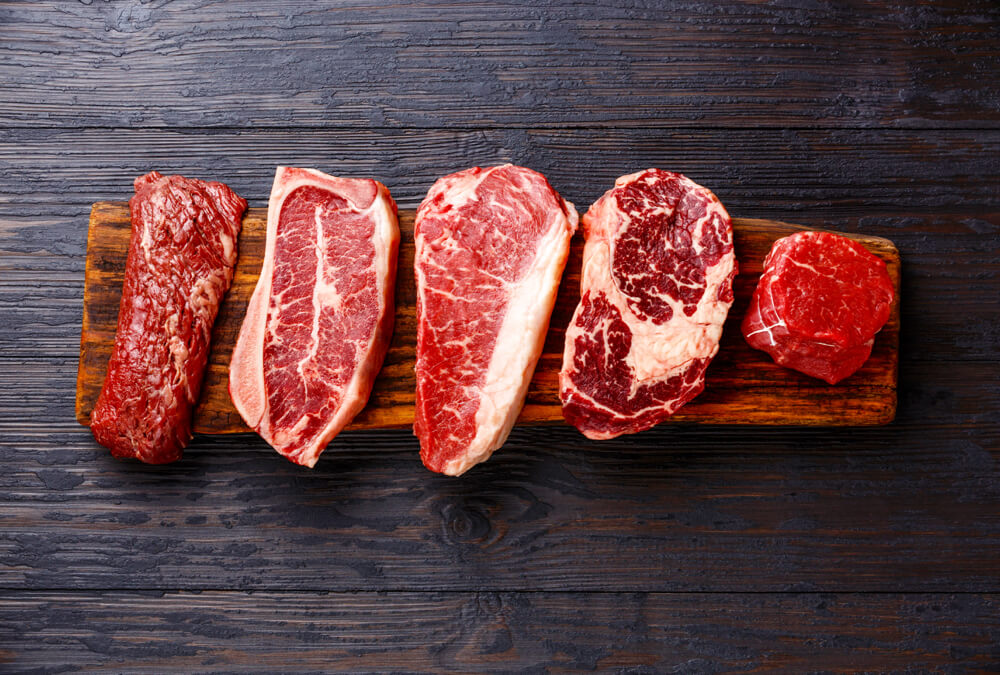
Visualizing the 2025 Protein Spread
Regulatory Friction and the FSIS Loophole
The skepticism begins with the ‘voluntary’ nature of the inspection. Unlike cattle, nilgai are ‘non-amenable’ species. This means tax dollars do not cover the inspector’s salary; the rancher does. This creates a perverse incentive structure. If a carcass is condemned, the rancher loses both the meat and the inspection fee. Per Bloomberg’s December commodity tracking, the rejection rate for wild-harvested nilgai due to bruising or ‘field stress’ has climbed to 8%. This ‘Stress Tax’ is the hidden killer of wild meat profitability. Furthermore, the lack of a standardized grading system for nilgai—unlike the USDA Prime or Choice tiers—leaves the door wide open for price manipulation at the retail level. Consumers are often paying ‘Tenderloin’ prices for what is effectively ‘Shoulder’ quality meat because there is no federal oversight to prove otherwise.
The Efficiency Gap
Comparing the economic output of traditional livestock versus invasive wild game reveals a stark reality. While the ‘invasive species management’ narrative sells well to the eco-conscious consumer, the numbers tell a story of inefficiency. A steer reaches market weight in 18 months with a predictable yield. A nilgai bull may take three years to reach peak weight, all while competing with native white-tailed deer for forage. The table below breaks down the 2025 cost-to-yield ratio for South Texas operations.
| Metric | Nilgai (Invasive) | Beef (Angus) | Axis Deer |
|---|---|---|---|
| Harvest Cost (per lb) | $4.50 | $1.10 | $6.25 |
| USDA Inspection Fee | $90/hr | $0 (Included) | $90/hr |
| Market Retail Price | $28.00 | $18.50 | $32.00 |
| Processing Waste % | 48% | 38% | 52% |
The push for ‘sustainable’ wild meat often ignores the carbon footprint of the harvest itself. Remote South Texas terrain requires heavy-duty 4×4 vehicles and specialized cooling trailers. When the harvest site is 50 miles from the nearest paved road, the ‘green’ credentials of the protein begin to wilt. The market is currently propped up by a scarcity premium that may not last as more land managers attempt to monetize their invasive populations. If the supply of nilgai meat doubles in the next 18 months, the wholesale price will collapse, leaving those who invested in expensive MSU infrastructure with stranded assets.
The January 15 Milestone
The next critical data point for the wild meat industry arrives on January 15, 2026. The Texas Animal Health Commission is scheduled to release updated protocols for the movement of exotic CWD-susceptible species. While nilgai have historically shown resistance to Chronic Wasting Disease, any regulatory shift to include them in mandatory testing will add another $40 per head in compliance costs. Watch the ‘Daily Wild Protein Index’ for a potential sell-off in South Texas lease futures as that date approaches. The era of cheap, unregulated wild meat is over; the era of the $30-per-pound hamburger has arrived.