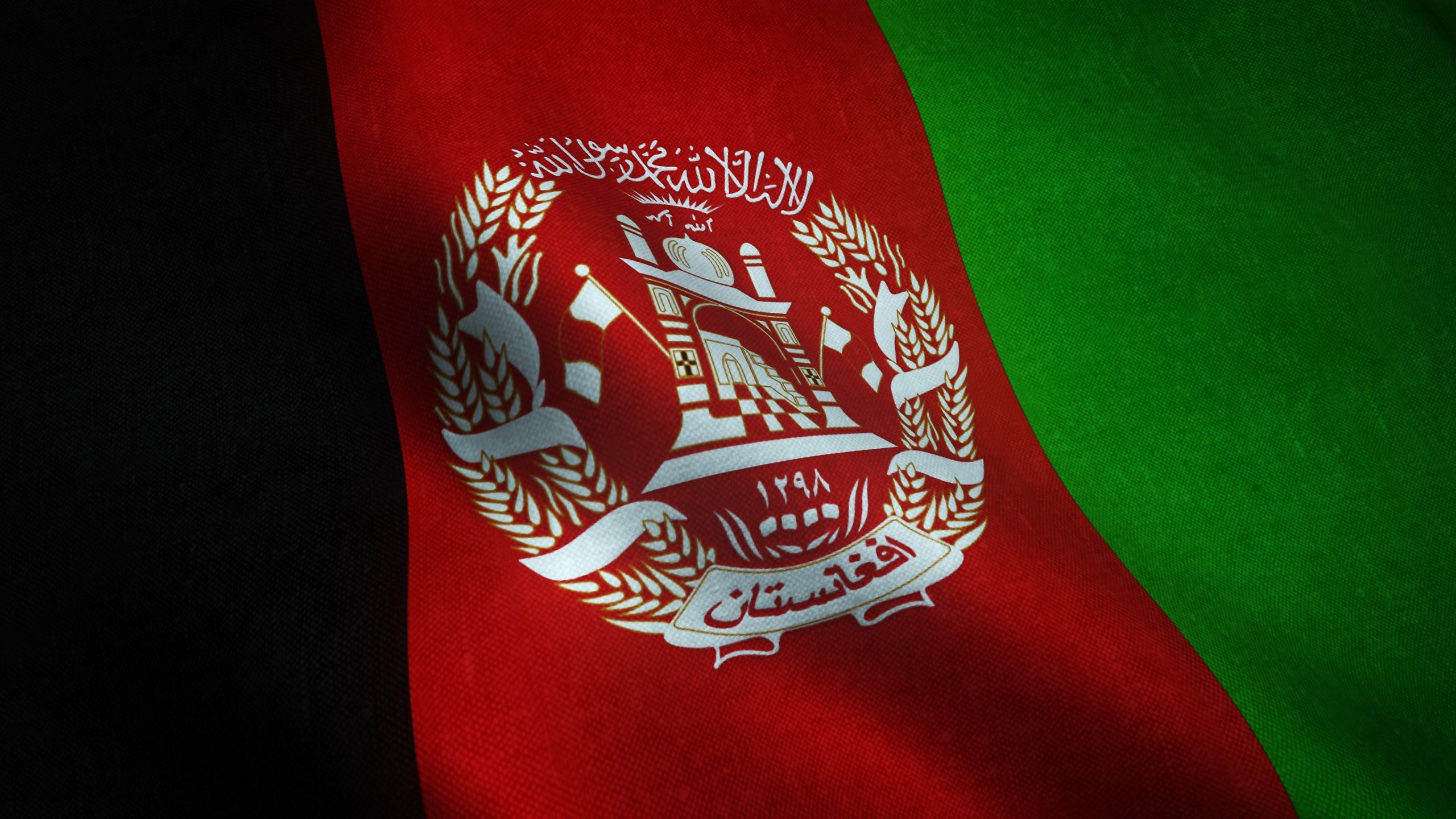
The optics of the Torkham border crossing this morning are a nightmare of logistical failure and human desperation. As of November 09, 2025, the tally of returnees from Pakistan and Iran has officially crossed the 2.4 million mark, yet the economic narrative surrounding their integration is being sanitized by international agencies. While the United Nations Development Programme (UNDP) publishes glossaries of ‘resilience’ and ‘sustainable pathways,’ the ground reality in Kabul and Jalalabad suggests a different trajectory. The Afghan economy is not recovering; it is being kept on a state-funded ventilator that is running out of oxygen.
The UNDP ABADEI Budget Mirage
The core of the current international strategy relies on the UNDP Area-Based Approach to Development Emergency Initiatives (ABADEI) 2.0. On paper, this is a multi-billion dollar framework designed to stimulate local markets. However, internal tracking of the 2025 Humanitarian Response Plan reveals a staggering shortfall. Of the $3.06 billion required to manage the basic survival of these 2.4 million returnees, only 38 percent has been committed as of this week. The ‘catch’ is that the UNDP is largely funding ‘cash-for-work’ schemes, such as cleaning irrigation canals in Nangarhar or repairing secondary roads in Kandahar. These are temporary survival mechanisms, not industrial foundations.
Financial observers at the World Bank’s latest economic monitor suggest that while these injections prevent immediate starvation, they fail to address the zero-growth reality of the private sector. Local firms like the Baba-e-Millat construction group or regional agribusinesses are not seeing a surge in demand; they are seeing a surge in competition for dwindling resources. The influx of labor has driven daily wages in the informal sector down by 15 percent in the last quarter alone, making it impossible for a returnee family to afford a basic food basket in Kabul’s Sarai Shahzada market.
2025 Afghanistan Aid Funding Gap (USD Millions)
The Currency Manipulation Trap
A primary point of skepticism for any serious analyst is the uncanny stability of the Afghani (AFN). Throughout October and the first week of November 2025, the AFN has hovered around 68 to 72 per USD. This is not a sign of economic health. It is the result of the UN’s continuing physical cash shipments. Per reports from Reuters regarding UN liquidity injections, approximately $40 million in physical US banknotes is flown into Kabul almost every week to be auctioned by Da Afghanistan Bank (DAB).
This creates a dangerous artificiality. The returnees are entering an economy where the currency value is decoupled from local productivity. If the UN pauses these shipments for even two weeks, the AFN would likely plummet, instantly evaporating the modest savings returnees brought with them from the border. The central bank’s lack of transparent reserves means that the ‘economic stability’ touted by local authorities is a house of cards held together by international charity.
Trade Disruptions at the Torkham and Spin Boldak Corridors
For the returnees to find actual jobs, the transit trade must function. However, the last 48 hours have seen renewed closures at the Torkham border. This is not just a diplomatic spat; it is a commercial strangulation. Afghan exporters of pomegranates and carpets are reporting that the ‘Electronic Single Window’ system for customs is frequently offline, leading to spoilage and lost contracts.
| Commodity | Price Change (Last 30 Days) | Primary Driver |
|---|---|---|
| Wheat Flour (50kg) | +12% | Border transit delays |
| Cooking Oil (5L) | +8% | Import tax adjustments |
| Solar Panels (150W) | -5% | Dumping from Wakhan Corridor |
| Unskilled Labor (Daily) | -18% | Returnee oversupply |
The table above illustrates the pincer movement facing the average returnee. While the cost of essential food items like wheat is rising due to border bottlenecks, the value of their only asset (labor) is collapsing. The UNDP’s focus on ‘tension reduction’ in communities is a tacit admission that they expect resource wars at the neighborhood level. When 500 families return to a ‘Gozar’ (district) in Kabul that already lacks reliable water and electricity, the influx is not a development opportunity; it is a catalyst for urban decay.
Technical Failures in Reintegration Schemes
The technical mechanism of the current reintegration scam is the ‘Micro-Enterprise Grant.’ Returnees are often promised small sums (roughly $200 to $500) to start home-based businesses. However, there is no viable supply chain for these businesses to tap into. A returnee woman in Herat might receive a grant to start a tailoring business, but with 10,000 other women receiving the same grant in the same province, the local market is instantly saturated. Without export channels or a domestic middle class with purchasing power, these grants are merely delayed welfare payments that provide no long-term ROI for the Afghan economy.
The next major fiscal hurdle is the March 2026 review of the UN Strategic Framework for Afghanistan. This milestone will determine if the $40 million weekly cash shipments will be phased out in favor of a more restrictive ‘humanitarian-only’ model. If the physical dollar supply is throttled, the exchange rate at the Sarai Shahzada will be the first domino to fall. Watch the DAB auction results closely in the first week of February for the first sign of this shift.