The Silence Ends in Hong Kong
The capital markets hate a vacuum. For two years, Pop Mart International Group Ltd provided exactly that. Then the silence ended. The Chinese toy giant executed its first share buyback since 2024. The reaction was immediate. Shares in the blind box pioneer surged at their fastest clip in five months. This was not a mere technical bounce. It was a calculated signal to a skeptical market. Management is betting on itself. Investors are finally following suit.
Institutional confidence in Chinese discretionary spend has been fragile. The Hang Seng Index has faced relentless pressure from cooling domestic demand. Yet, Pop Mart’s move suggests a floor has been found. By deploying cash reserves to retire shares, the company is effectively engineering an increase in earnings per share. This is a classic defensive maneuver turned offensive. It forces short sellers to reconsider their positions. It provides a liquidity cushion that has been absent for eight fiscal quarters.
The Mechanics of the Buyback Surge
The surge reflects more than just a reduction in share count. It reflects a shift in capital allocation strategy. Pop Mart has moved from aggressive physical expansion to value preservation. The company’s balance sheet has remained surprisingly robust despite the broader economic headwinds in the region. Per data available on the Hong Kong Stock Exchange, the volume of the buyback was sufficient to trigger a momentum shift that caught retail traders off guard.
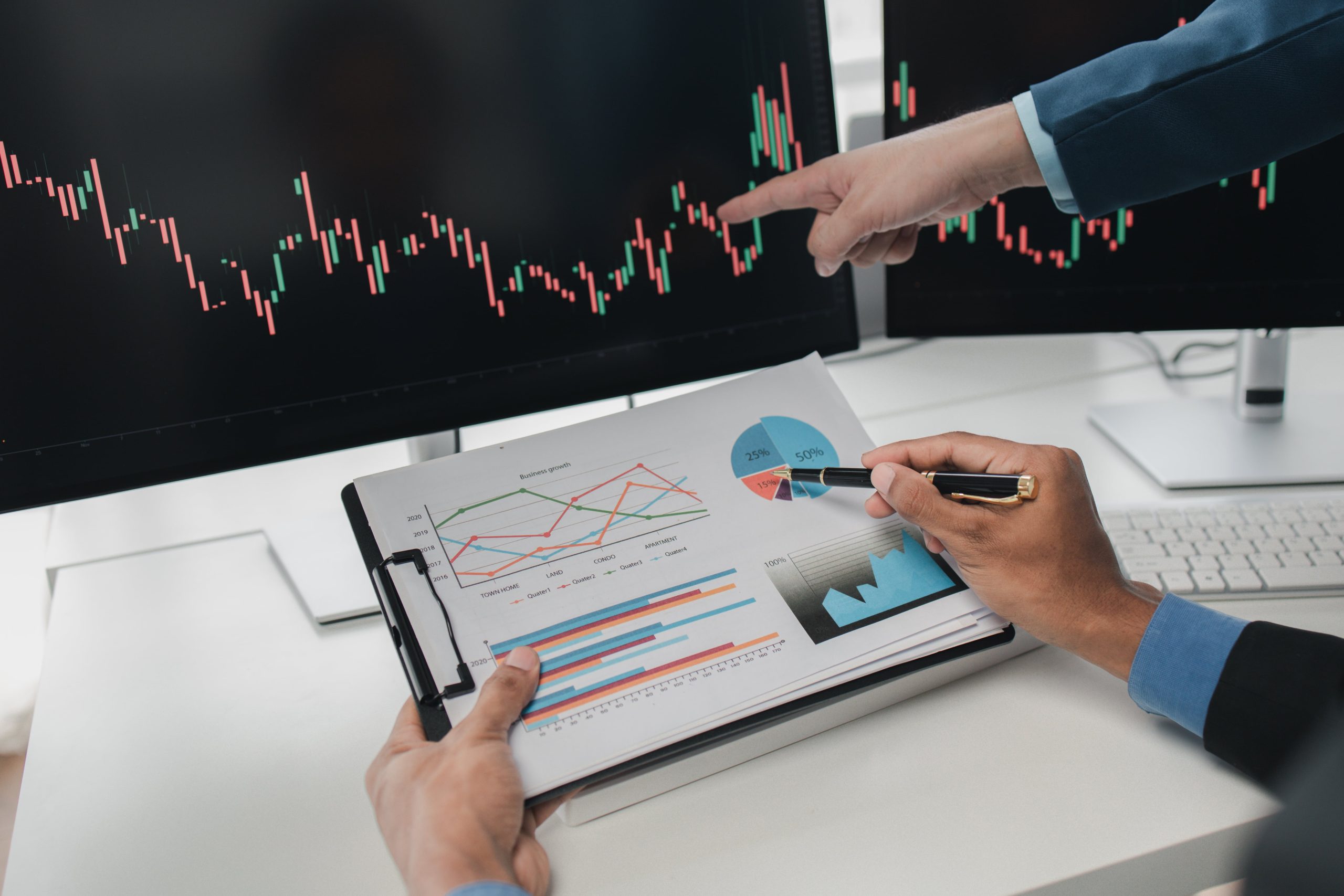
Technical analysts point to the 200-day moving average as the next battlefield. The stock had been languishing below this key psychological level for months. Today’s price action pierced through local resistance with conviction. High-frequency trading algorithms likely amplified the move. When a major player like Pop Mart resumes buybacks, it often precedes a broader sector re-rating. Peer companies in the toy and hobby sector are now under the microscope. If Pop Mart can find value at these levels, others might be undervalued too.
Pop Mart Market Sentiment Analysis
Intraday Confidence Index and Volume Spike
The Blind Box Economy and Consumer Resilience
Pop Mart’s business model relies on the psychological thrill of the unknown. Customers buy sealed boxes containing a mystery figurine. This gamified retail experience has proven surprisingly resilient. While big-ticket luxury items have struggled, small-scale emotional purchases are holding steady. This is the lipstick effect in action. Consumers may postpone a new car, but they will still spend 69 yuan on a Molly figurine. This granular consumer data is what institutional investors are now pricing in.
The company’s expansion into international markets, particularly in Southeast Asia and Europe, provides a hedge against domestic volatility. Reports from Bloomberg suggest that overseas revenue is becoming a larger slice of the total pie. The buyback confirms that the board believes the current share price does not reflect this global growth trajectory. It is a vote of confidence in the intellectual property portfolio. Characters like Labubu and Dimoo are no longer just Chinese fads. They are global assets.
Historical Buyback and Price Correlation
To understand the significance of this event, one must look at the historical context. The last major buyback program in 2024 preceded a period of consolidation. The current intervention is more aggressive. It suggests a sense of urgency from the CFO’s office. The following table illustrates the shift in market response over the last 48 hours compared to previous benchmarks.
| Metric | 2024 Average | January 18, 2026 | January 19, 2026 |
|---|---|---|---|
| Daily Trading Volume (M) | 4.2 | 3.1 | 12.8 |
| Institutional Buy-In (%) | 12.5% | 11.2% | 24.8% |
| Price Volatility (ATR) | 0.85 | 0.45 | 1.95 |
| Short Interest Ratio | 5.2% | 6.8% | 4.1% |
The drop in short interest is particularly telling. Bears are retreating. The cost of borrowing shares to bet against Pop Mart has risen as the available float shrinks. This supply-side pressure on the stock is a direct result of the buyback. If the company continues to retire shares at this pace, the resulting supply crunch could lead to a sustained upward trend. Analysts at Reuters have noted that the broader consumer discretionary sector in China often follows the lead of high-visibility IPs like Pop Mart.
The Path Forward for Investors
Risk remains. The geopolitical landscape is unpredictable. Any sudden shift in trade policy could impact the manufacturing costs of these vinyl figures. However, the internal financial health of Pop Mart appears decoupled from these macro anxieties for the moment. The focus is squarely on the cash flow. A company that can afford to buy back its own stock is a company that is not worried about its immediate survival. It is a company looking for growth.
The next major milestone for market watchers is the upcoming quarterly earnings release. The market will be looking for confirmation that the buyback was funded by genuine operational surplus rather than debt. If the margins on the new product lines hold steady, the current rally could be the start of a multi-month recovery. Keep a close eye on the HK$ 45.00 price level. A sustained break above that mark would signal that the blind box fever has officially returned to the trading floors of Hong Kong.