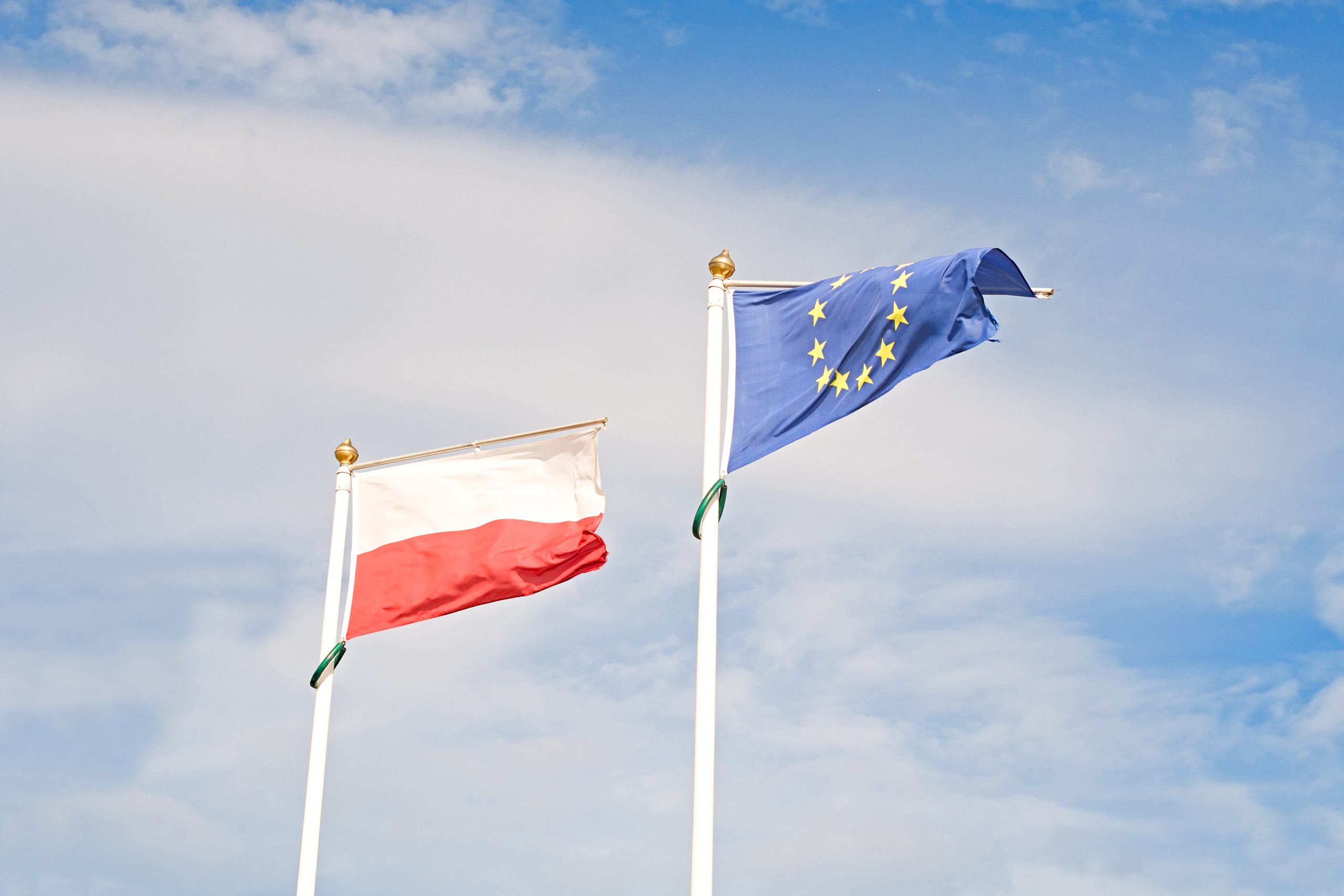
Glapiński Breaks the Hawkish Seal
The National Bank of Poland (NBP) surprised few but unsettled many today. By cutting the reference rate by 25 basis points to 4.75 percent, Adam Glapiński has signaled that the era of restrictive policy is officially dead. This is the fourth consecutive reduction in a cycle that feels increasingly rushed. While the consensus among Warsaw based analysts was a move of this magnitude, the underlying data suggests the Monetary Policy Council (MPC) is playing a dangerous game with the Zloty. I find the timing particularly aggressive given that core inflation remains stubbornly disconnected from the headline retreat. The market is currently pricing in a dovish glide path, but the reality on the ground in the Polish labor market suggests that the NBP may be cutting into a structural heatwave.
The Inflation Mirage
Headline CPI for October arrived at 4.1 percent, a figure that appears manageable on the surface. However, this number is heavily skewed by base effects from the previous year’s energy price volatility. Per the October flash inflation report, the downward pressure is coming from volatile food prices rather than a cooling of domestic demand. I have spent the last 48 hours reviewing the October Manufacturing PMI data, which printed at a sluggish 48.2 on November 3. This suggests that while the industrial sector is gasping for air, the services sector is still passing on double digit wage increases to consumers. The NBP is betting that growth will stall enough to kill inflation, but they are ignoring the massive fiscal expansion planned for the coming quarters.
The Currency Trap
The Zloty has already begun to show signs of exhaustion. Following the NBP interest rate decision this afternoon, the PLN/EUR pair drifted toward the 4.38 level. This is a significant psychological threshold. In my view, the NBP is underestimating the risk of a currency sell off that could reignite imported inflation. If the Zloty weakens further, the gains made in stabilizing domestic prices will be wiped out by the rising cost of fuel and technology imports. Traders in London are already questioning whether the Polish central bank is prioritizing political growth targets over its primary mandate of price stability. The divergence between the NBP and the European Central Bank (ECB) is narrowing, reducing the carry trade appeal of Polish assets.
Labor Markets and Structural Rigidities
The most alarming part of this policy shift is the state of the Polish labor market. Unemployment is at historic lows, and wage growth is still hovering near 10 percent year on year. When you cut rates in an environment where labor is scarce, you do not just stimulate investment; you stimulate a wage-price spiral. I believe the MPC is misreading the ‘output gap.’ They see a slowing economy that needs help, while I see an economy that is structurally constrained by a lack of workers. This mismatch means that any monetary stimulus will likely leak directly into higher prices rather than higher production volumes.
| Economic Indicator | October 2024 | October 2025 (Est.) | Variance |
|---|---|---|---|
| Reference Rate | 5.75% | 4.75% | -100 bps |
| Headline CPI | 5.0% | 4.1% | -0.9% |
| Core Inflation | 4.2% | 4.0% | -0.2% |
| PLN/EUR Rate | 4.29 | 4.37 | +1.8% |
The Export Dilemma
Polish exporters are in a bind. While a weaker Zloty theoretically helps their competitiveness, the rising cost of labor and energy in Poland makes the margin thin. The real-time exchange rate data suggests that the market is already pricing in a further 50 basis points of cuts by mid 2026. This anticipation is creating a self fulfilling prophecy of currency depreciation. If the NBP continues on this path without a clear deceleration in service sector inflation, they risk a hard landing where they are forced to hike rates aggressively in late 2026 to save the currency. This ‘stop-go’ monetary policy is exactly what the Polish economy does not need after the volatility of the last three years.
A Precarious Path Forward
The NBP has signaled a potential pause after this cut, but the damage to their hawkish credibility may already be done. The market is no longer looking at what the NBP says, but what the political calendar dictates. As we approach the end of the year, the focus will shift from the NBP to the Ministry of Finance. The 2026 budget deficit projections, due for a preliminary review in January, will be the next critical data point. If the fiscal deficit remains wide while the NBP continues to ease, the Zloty will find itself without a floor. Investors should watch the December 15 release of the ‘Final CPI’ for 2025, as any upward revision will make today’s decision look like a strategic blunder. The next major milestone to watch is the January 2026 inflation print, which will incorporate the new year’s minimum wage hike and its immediate impact on service pricing.