The High Cost of Biological Misalignment
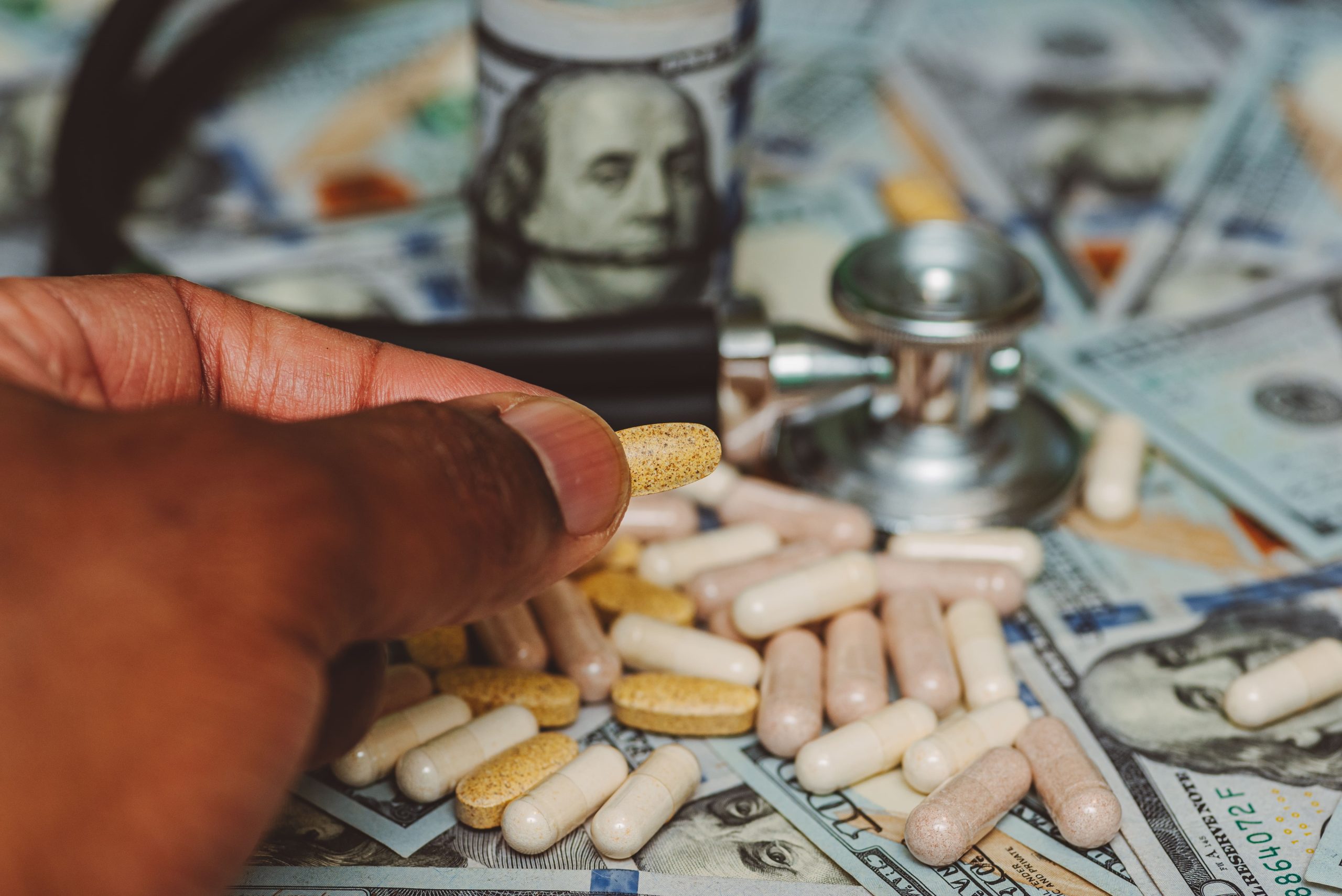
The pharmaceutical industry is currently grappling with a 90 percent failure rate. For every ten drugs that successfully pass animal testing and enter human clinical trials, nine will fail to reach the market. This systemic collapse is not merely a scientific hurdle; it is a financial hemorrhage. According to data tracked by Bloomberg, the average cost to bring a single molecule to market has ballooned to approximately 2.6 billion dollars. Much of this capital is incinerated in the translation gap between a rodent’s physiology and a human’s immune system. On this October 22, 2025, the industry is no longer just debating ethics. It is chasing the margin expansion promised by silicon and synthetic biology.
The Legislative Crowbar
The regulatory landscape shifted permanently following the full implementation of the FDA Modernization Act 2.0. This legislation removed the 1938 mandate that required animal testing for all new drug applications. However, the real catalyst for the current market movement is the FDA 2025 Draft Guidance on Alternative Methods for Preclinical Development. This document provides a specific roadmap for the integration of Microphysiological Systems (MPS) and Organ-on-a-Chip (OOC) technologies into the Investigational New Drug (IND) filing process. The FDA is no longer just permitting these technologies; it is actively requesting them to mitigate risks in Phase I trials.
The financial incentives are staggering. Internal projections from mid-tier biotech firms suggests that replacing traditional primate toxicology studies with high-throughput multi-organ chips can reduce early-stage R&D costs by 15 to 25 percent. In a high-interest rate environment, these savings are the difference between a successful Series C round and a quiet liquidation.
Janssen and the Precision Preclinical Revolution
While generic industry reports often group all major players together, the specific strategies of Johnson & Johnson’s pharmaceutical arm, Janssen, reveal a targeted bet on liver-on-a-chip technology. In their Q3 2025 SEC filings, the company noted a significant increase in capital expenditure toward “Precision Preclinical Infrastructure.” This refers to their partnership with the Wyss Institute to model drug-induced liver injury (DILI), which remains a leading cause of post-market drug withdrawals. By utilizing these synthetic models, Janssen has reportedly flagged three toxic compounds in the last six months that traditional animal models had initially cleared as safe.
Pfizer has taken a different approach by focusing on AI-driven predictive toxicology. Their 2025 budget includes a 400 million dollar allocation for the integration of “Digital Twins” in the drug discovery phase. This process uses massive datasets from previous human trials to create virtual subjects. The goal is to bypass the animal phase entirely for specific classes of small molecules. This is not a future possibility; it is a current operational directive aimed at shortening the time-to-clinic by at least eighteen months.
The Economic Risk of the Old Guard
The shift away from animal testing creates a massive valuation risk for traditional Contract Research Organizations (CROs). For decades, companies like Charles River Laboratories have dominated the market by maintaining vast colonies of research animals. As of late October 2025, the market is beginning to price in the obsolescence of these biological assets. Per recent Yahoo Finance market analysis, there is a visible divergence between CROs that are pivoting to digital services and those still anchored to physical animal husbandry. The cost of maintaining a single non-human primate for research has spiked by 40 percent due to supply chain constraints, while the cost of a multi-organ chip has dropped by 60 percent since 2023.
This is a classic technological disruption. The “New Guard” consists of specialized firms like Emulate, Inc. and CN Bio, which are now seeing their proprietary hardware integrated directly into the labs of the top ten global pharmaceutical companies. These chips allow researchers to simulate the flow of blood and the mechanical strain on organs, providing a level of granular data that a static mouse model cannot replicate.
The Technical Mechanism of Bio-Simulation
To understand why this change is sticking, one must look at the mechanics of Microphysiological Systems. These devices use human cells (often derived from induced pluripotent stem cells or iPSCs) grown on a scaffold. Microfluidic channels mimic the circulatory system. When a drug candidate is introduced, the chip measures the real-time metabolic response of human tissue. Unlike an animal, which has a different metabolic rate and different protein expressions, the chip provides a direct mirror of human biology. This eliminates the “false negative” problem where a drug works in a mouse but is inert in a human, or worse, the “false positive” where a drug is safe in a mouse but lethal to a human liver.
The reward for this transition is not just the avoidance of failure; it is the acceleration of success. A traditional toxicology suite for a new oncology drug can take two years. A comprehensive battery of tests on a multi-organ chip array can be completed in less than ninety days. In the pharmaceutical world, eighteen months of patent life is worth hundreds of millions in revenue.
As we move toward the end of 2025, the industry is watching for the first fully synthetic IND filing to clear the FDA. This milestone is widely expected to occur in the first quarter of 2026. If the FDA approves a drug for human trials based solely on non-animal data, the valuation of traditional animal-based CROs will likely face a terminal decline. The data point to watch is the January 2026 release of the FDA’s annual report on the use of alternative methods, which will provide the final confirmation of this structural shift.