The Price of Growth is Getting Steeper
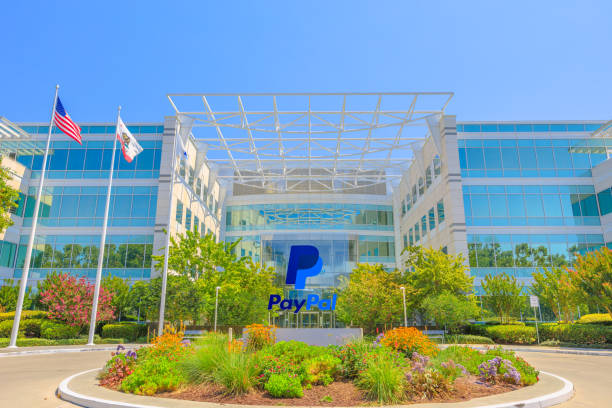
PayPal is trapped. While the headline figures for Total Payment Volume (TPV) continue to climb, the internal machinery of the company is showing signs of significant friction. As of market close on November 19, 2025, PayPal ($PYPL) remains stuck in a valuation range that suggests investors no longer trust the old growth narrative. The market has shifted its focus from how many users PayPal has to how much profit it squeezes from every dollar processed. According to current data from Yahoo Finance, the stock is struggling to maintain its post-earnings momentum as the reality of unbranded margin dilution sets in.
The Braintree Dilemma and Unbranded Volume
The core of the problem lies in the shift toward unbranded processing. Braintree, PayPal’s backend service for giants like Uber and Airbnb, is growing at a double-digit clip. However, this is low-margin work. Unlike the gold-standard branded PayPal button, which commands a high take-rate, Braintree operates in a commoditized space where price wars are the norm. In the most recent 10-Q filing available on SEC.gov, the divergence is clear. Transaction margin dollars are not keeping pace with volume. For every 10 percent increase in TPV, transaction margin dollars are only inching up by 1 to 2 percent. This creates a hollow growth profile that keeps institutional desks cautious.
Fastlane is a Necessity Not a Luxury
CEO Alex Chriss has bet the house on Fastlane. This guest checkout solution aims to solve the industry’s biggest headache: cart abandonment. Industry data suggests that guest checkout conversion rates hover around 45 percent, but PayPal claims Fastlane can push this above 80 percent. This is a technical play to recapture the high-margin branded volume. By using a consumer’s email and a one-time passcode, PayPal can recognize a shopper even if they are not logged into their PayPal account. This allows PayPal to insert its high-margin rails into the checkout flow of merchants who previously only used them for basic processing. If Fastlane fails to achieve massive scale by the end of this quarter, the margin compression seen in the Bloomberg terminals will likely worsen.
The Apple Pay Fortress
The competitive landscape has fundamentally changed over the last 48 hours. With new reports emerging regarding Apple’s further integration of Tap-to-Pay on iPhone, PayPal’s mobile web dominance is under direct fire. Apple Pay benefits from OS-level integration that PayPal simply cannot replicate on iOS. While PayPal has launched its own version of a cashback debit card and revamped its app, these are defensive moves. The technical friction of a third-party wallet vs. a native OS wallet is the primary reason for the branded checkout slowdown. PayPal is now forced to compete on incentives and rewards, which further eats into the marketing budget and net income.
Technical Efficiency Over User Growth
Investors should stop looking at the total active user count. That metric is a relic of the Dan Schulman era. The real metric to watch is the cost per transaction. PayPal has been aggressively slashing its headcount and consolidating its data centers to offset the margin pressure. They are becoming a leaner, more technical infrastructure company. This transformation is painful. It involves moving away from the consumer-first identity of the early 2010s and toward a merchant-first service provider model. The risk here is that in becoming a utility, PayPal loses the brand premium that allowed it to charge higher fees than competitors like Adyen or Stripe.
Competitive Take-Rates in the 2025 Landscape
To understand why the stock is under pressure, look at the current estimated take-rates across the industry. PayPal is being squeezed from both the top and bottom of the market.
| Platform | Estimated Branded Take-Rate | Estimated Unbranded Take-Rate | Key Strength |
|---|---|---|---|
| PayPal | 2.30% – 2.50% | 0.90% – 1.20% | Consumer Trust |
| Stripe | N/A | 2.10% – 2.90% | Developer Experience |
| Adyen | N/A | 0.60% – 1.10% | Enterprise Scale |
| Apple Pay | 0.15% (Issuer Fee) | N/A | OS Integration |
The table above illustrates the precarious position of PayPal. While they still lead in branded trust, the unbranded side is a race to the bottom. If they lower their unbranded fees to compete with Adyen, their margins collapse. If they keep them high, they lose volume to Stripe. The only way out is to force more users into the Fastlane ecosystem where they can justify a premium price through superior conversion data.
Watching the January 2026 Milestone
The next critical data point arrives in mid-January. This is when the full impact of the 2025 holiday shopping season on Fastlane adoption will be revealed. If the conversion lift does not translate into a reversal of the transaction margin downtrend, the market will likely re-rate PayPal as a legacy processor rather than a growth-tech leader. Watch for the specific metric of ‘Branded Volume as a Percentage of Total TPV’ in the next earnings cycle. That single number will determine if the Chriss turnaround has legs or if PayPal is simply managing a slow decline.