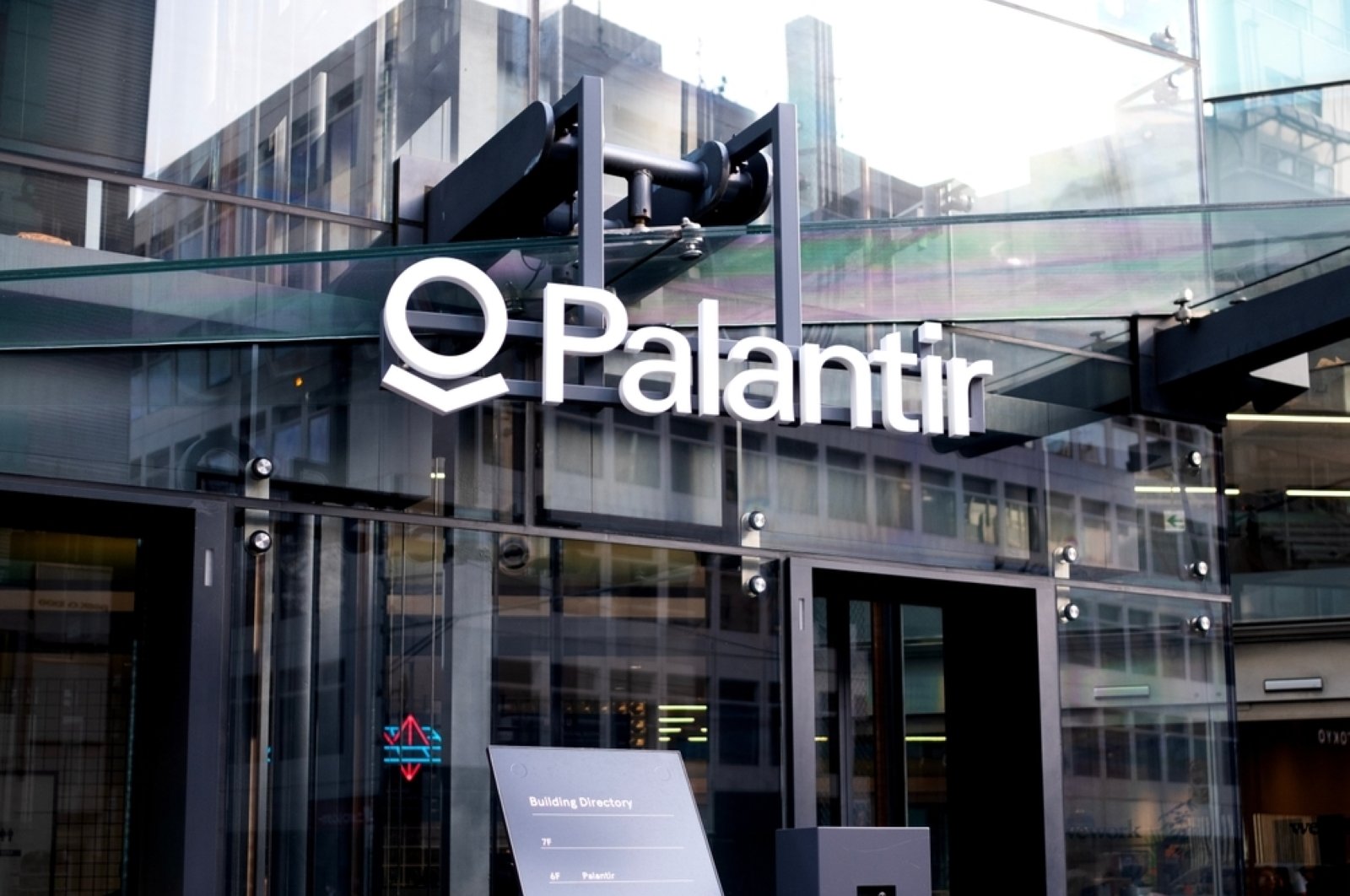
The Math Behind the One Hundred Thirty Billion Dollar Valuation
Palantir Technologies released its Q3 2025 earnings report on November 4, and the numbers have sparked a frenzied debate among institutional desks. Revenue hit $945 million, a 30 percent increase year over year, yet the stock price of $58.22 suggests a market capitalization nearing $130 billion. This creates a price to sales multiple of roughly 34x. For context, most high growth SaaS firms struggle to maintain a 15x multiple in the current interest rate environment. The market is pricing Palantir as if it has already monopolized the enterprise AI layer, but the underlying data suggests a more precarious climb.
The primary driver of this valuation is the Artificial Intelligence Platform, or AIP. Management highlighted that they completed over 1,200 bootcamps year to date. While these bootcamps are excellent for lead generation, the conversion rate from a free pilot to a high seven-figure contract remains opaque. Per the latest SEC Form 10-Q, the commercial customer count grew to 510, but the average revenue per top 20 customer has started to plateau. This indicates that while Palantir is getting its foot in more doors, the massive, company-wide deployments required to justify a $58 share price are taking longer to materialize than the retail crowd expects.
Visualizing the Valuation Gap Between Price and Revenue
The Concentration Risk in Government Spending
Palantir remains a hostage to the United States government procurement cycle. While the Project Maven and Titan contracts provide a steady floor, they also introduce a ceiling. Government revenue for Q3 2025 was $515 million, representing a significant portion of the total pie. Skeptics point to the increasing competition from defense tech startups like Anduril, which are aggressively bidding for the same Department of Defense dollars. If Palantir fails to secure a major expansion of the Maven contract in the first half of next year, the current growth narrative could collapse.
Furthermore, the internal arithmetic of the company continues to rely heavily on stock-based compensation (SBC). In the 48 hours following the earnings call, Reuters reported that institutional selling slightly outpaced buying, despite the headline beat. This is often a sign that large funds are using the post-earnings pop as exit liquidity. When a CEO like Alex Karp maintains a 10b5-1 selling plan that offloads millions of shares during periods of peak euphoria, retail investors should take notice. The dilution factor is not just a footnote; it is a structural drag on long-term earnings per share.
The Technical Ceiling and Insider Behavior
Looking at the daily candle for November 5, 2025, we saw a massive wick to the upside followed by a close near the day’s open. This ‘shooting star’ pattern often signals an exhausted rally. The Relative Strength Index (RSI) is currently screaming at 78, a level that has historically preceded a 10 to 15 percent correction in Palantir shares. The bulls argue that S&P 500 inclusion has changed the math by forcing index funds to buy, but that buying pressure is finite.
The real test for Palantir is not its ability to demo software, but its ability to scale without adding significant headcount. In the Q3 report, operating expenses grew by 14 percent. While this is lower than revenue growth, it shows that Palantir is not yet seeing the ‘infinite leverage’ promised by pure software models. Each new deployment still requires a heavy lift from Palantir’s forward-deployed engineers. This is a services business masquerading as a software business, and the market eventually corrects for that distinction.
Watch the January 2026 contract renewal window for the National Health Service in the UK. If Palantir cannot expand its footprint beyond the current pilot phase into a full-scale national integration, the international commercial growth story will hit a hard wall. The stock is currently priced for perfection, leaving zero margin for error in the upcoming fiscal year.