The Price of Corporate Excellence
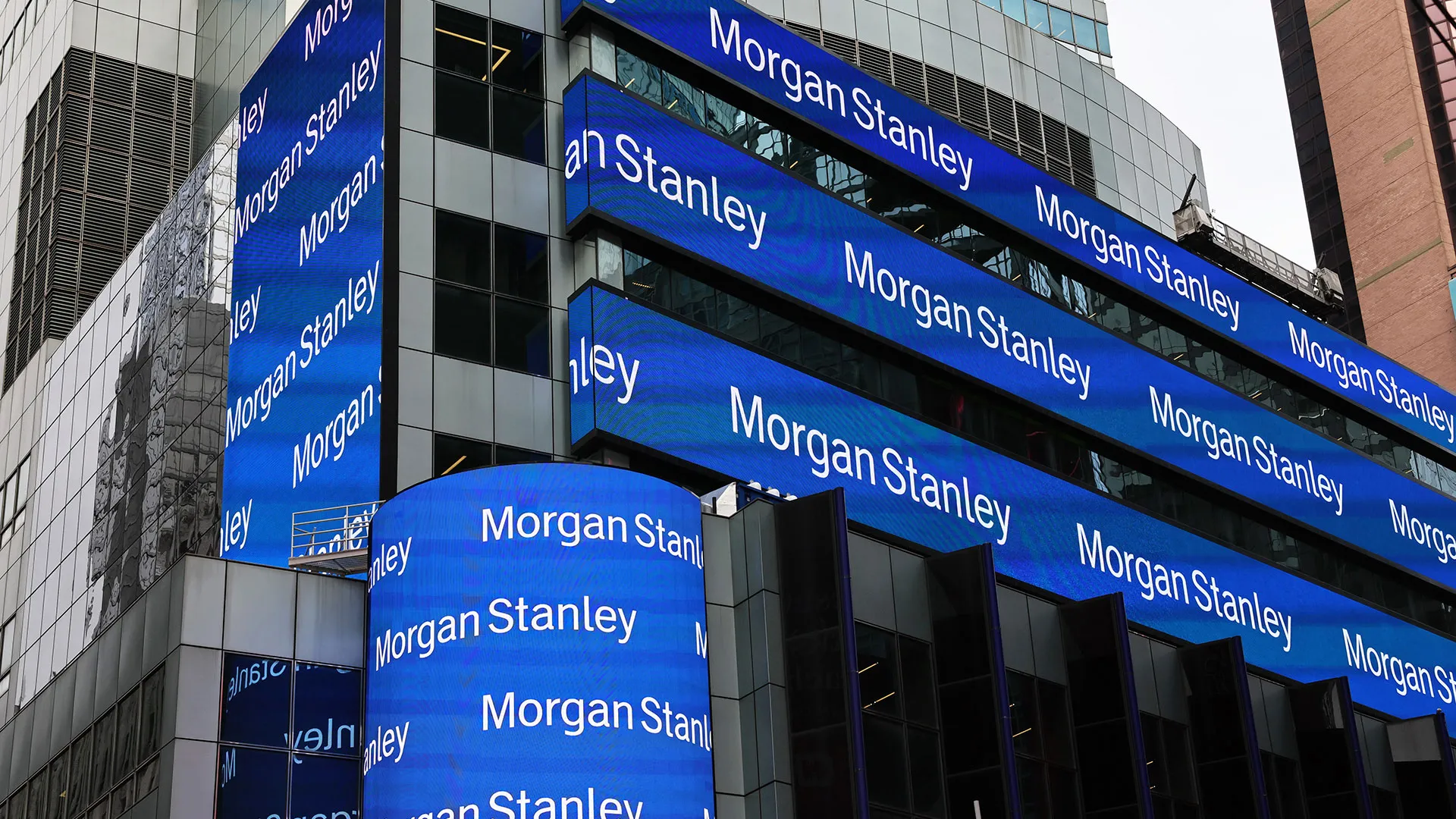
The tweet arrived at 11:14 PM on a Sunday. Morgan Stanley saluted Justin Rose. Excellence has a price tag. Behind the congratulatory digital handshake lies a calculated multi-million dollar strategy to capture the world’s most elusive capital. The bank is not merely cheering for a golfer. It is cheering for a demographic. Justin Rose secured a significant victory on February 1, 2026, reinforcing his status as the premier ambassador for a firm that has pivoted its entire identity toward wealth management. This is not about sports. This is about the yield on brand equity.
The Wealth Management Pivot
Morgan Stanley has undergone a radical transformation over the last decade. It moved from a volatile institutional trading house to a stable fee-generating machine. The firm now oversees trillions in client assets. Golf is the primary theater for this operation. The sport provides a unique environment where high-net-worth individuals congregate for hours. A logo on a sleeve is a silent endorsement. It suggests reliability. It suggests a shared vocabulary of success. According to data from Bloomberg, Morgan Stanley’s wealth management division now accounts for a massive portion of its total pre-tax margin. The bank needs the “Rose Effect” to maintain this momentum.
The Mechanics of the Justin Rose Partnership
The partnership between Rose and the bank is a masterclass in sports marketing. It is not a passive sponsorship. It is an active integration. Rose participates in client events that are strictly off-limits to the public. These are the rooms where the real deals happen. The technical term for this is the Halo Effect. When a client sees Rose winning under the Morgan Stanley banner, that success is subconsciously transferred to the bank’s investment strategies. The cost of acquiring a single ultra-high-net-worth client can exceed six figures. If a golf sponsorship facilitates five such introductions a year, the contract pays for itself. The bank’s marketing spend is a precision tool, not a blunt instrument.
Visualizing the Wealth Management Ascendancy
To understand why Morgan Stanley celebrates a golf victory so publicly, one must look at the shift in their revenue streams. The following chart illustrates the growth of Wealth Management revenue as a percentage of total firm revenue leading into early 2026. This trend explains why the bank is willing to pay a premium for “excellence” on the green.
Morgan Stanley Wealth Management Revenue Growth Index
The Technical Moat of Brand Association
Sponsorships at this level are governed by complex performance-based incentives. When Rose wins a major or a high-profile tour event, the payout increases. However, the value to Morgan Stanley is not just in the win. It is in the airtime. Television networks focus on the leaders. The “Eagle” logo receives hours of cumulative exposure during a four-day tournament. This is what marketers call “Earned Media Value.” For Morgan Stanley, this value is often three to four times the actual cash outlay of the sponsorship. This efficiency is critical as the bank faces rising competition from fintech disruptors and boutique wealth firms. They are buying legitimacy that a startup cannot replicate with code.
Market Sentiment and the Pebble Beach Effect
The timing of this victory is significant. The market has been grappling with volatility in the early weeks of 2026. Financial stocks have seen a divergent path, with firms heavily weighted toward investment banking struggling compared to those with robust wealth management arms. As reported by Reuters, the shift toward recurring fee income is the primary driver of valuation premiums in the current environment. Morgan Stanley’s stock has remained resilient, trading at a premium to its peers. The Justin Rose victory serves as a timely reminder to shareholders that the bank’s brand is associated with winning, even when the broader market is uncertain.
The Strategy of Controlled Excellence
Morgan Stanley does not partner with every athlete. They choose individuals who mirror their corporate persona. Rose is methodical. He is disciplined. He is international. These traits are exactly what a client wants in a wealth manager. The bank is curating an ecosystem of excellence. This ecosystem includes partnerships with the PGA Tour and various charitable foundations. It is a closed loop of prestige. The technical mechanism at play here is “Social Proof.” By aligning with a champion, the bank positions itself as a champion of its clients’ interests. It is a psychological play as much as a financial one.
Forward Looking Metrics
The next major milestone for the bank’s marketing and wealth strategy will be the Q1 2026 earnings release scheduled for mid-April. Analysts will be looking for a specific data point: the net new asset (NNA) growth rate. If the current trajectory holds, Morgan Stanley is on track to surpass the $10 trillion mark in total client assets by the end of the decade. Watch the NNA figures closely. They are the ultimate scorecard for whether the bank’s investment in the “Excellence” narrative is actually converting into hard capital. The fairway is just the beginning of the funnel.