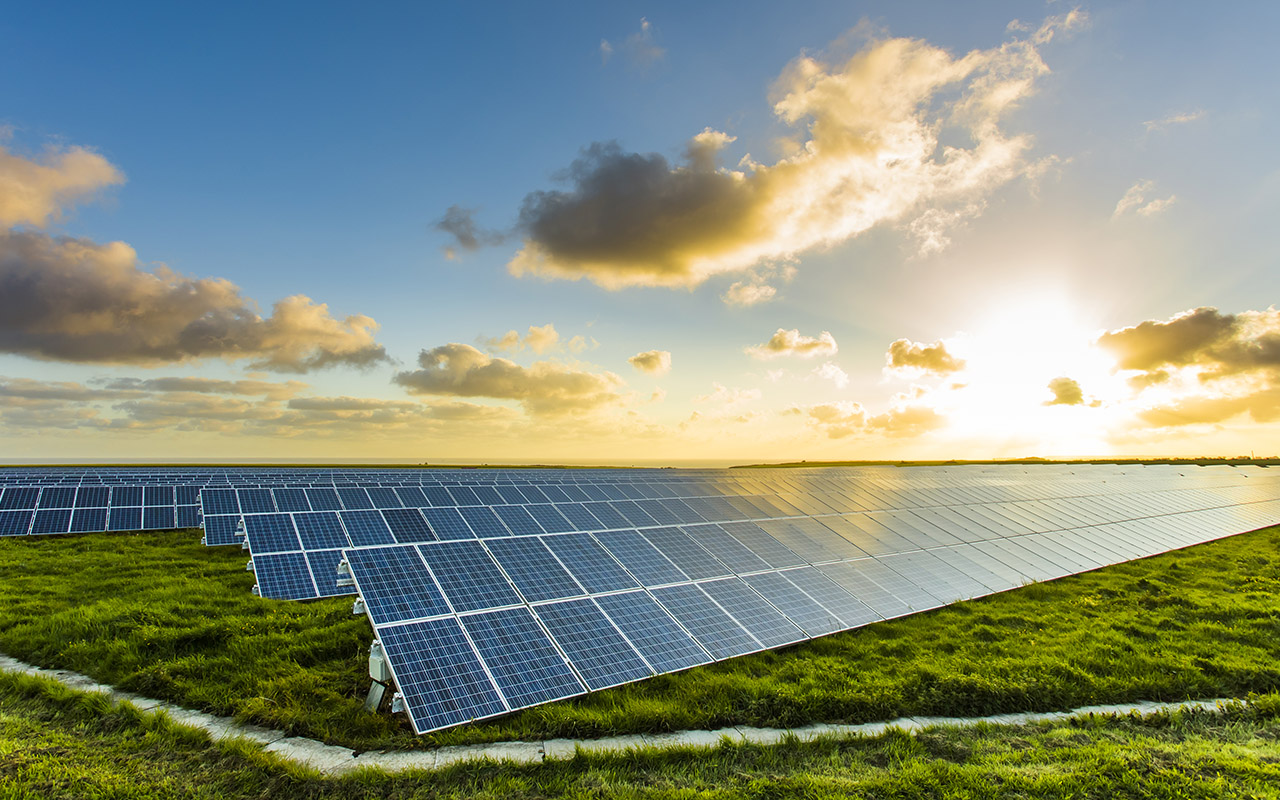
The Steppe is Turning Blue
Coal is dying in the Mongolian steppe. It is a slow, expensive death. For decades, the ger districts of Ulaanbaatar have been synonymous with thick, acrid smoke. This smog was the byproduct of raw coal burning in low-pressure boilers. It was the only way to survive winters where temperatures routinely hit minus 40 degrees. Today, January 26, 2026, marks World Clean Energy Day. The narrative is shifting from survival to sustainability. The pilot projects in the Chingeltei District are no longer just experiments. They are the blueprint for a national energy overhaul.
The Technical Reality of Solar in Sub-Zero Climates
Solar energy in Mongolia is not a simple proposition. The physics of extreme cold challenges standard photovoltaic (PV) hardware. Standard lithium-ion batteries lose significant capacity when the mercury drops below freezing. The UNDP-supported pilots solved this using Lithium Iron Phosphate (LFP) cells paired with advanced thermal insulation. These systems do not just provide electricity. They power high-efficiency heat pumps and radiant floor heating. This technical leap eliminates the need for coal-fired stoves entirely. The efficiency gains are staggering. A traditional coal stove operates at roughly 35 percent efficiency. Modern solar-to-heat systems exceed 90 percent efficiency. This is not just a green initiative. It is a thermodynamic necessity.
The Financial Burden of the Transition
The economics of Ulaanbaatar’s energy transition are brutal. Transitioning a single household from coal to solar costs approximately 15 million Mongolian Tugrik (MNT). For a population where the average monthly income remains under 2 million MNT, the math does not work without heavy intervention. Sovereign debt is the primary lever. The Mongolian government is leveraging ESG ratings to secure lower-interest loans from the Asian Development Bank. Per recent Bloomberg market data, green bond yields for emerging markets have tightened, making these transitions more palatable for state treasuries. The long-term savings are the real story. Once the capital expenditure is cleared, the operational cost of solar is nearly zero. Coal, by contrast, requires constant purchase, transport, and waste management.
Dismantling the Coal Monopoly
The political economy of Mongolia is built on coal. It is the nation’s largest export and its primary domestic fuel source. Shifting the ger districts to solar threatens the domestic demand for refined coal briquettes. This has created friction between the Ministry of Energy and the state-owned coal mining enterprises. However, the air quality crisis has reached a tipping point. Public health costs are now a significant drag on the GDP. Respiratory illnesses in Ulaanbaatar spike every January. The cost of treating these conditions often outweighs the revenue generated from domestic coal sales. The UNDP pilot in Chingeltei proved that localized renewable grids are more resilient than centralized coal distribution. This decentralization is the ultimate threat to the old energy guard.
Comparing the Costs of Survival
To understand the shift, one must look at the monthly balance sheet of a ger district family. Coal is a recurring expense that fluctuates with market prices and transport logistics. Solar is a fixed-cost asset. The following table illustrates the economic divergence between the two heating methods as of January 2026.
| Heating Source | Monthly Cost (MNT) | Thermal Efficiency | Carbon Output (kg/mo) |
|---|---|---|---|
| Raw Coal | 125,000 | 35% | 880 |
| Refined Briquettes | 155,000 | 52% | 610 |
| Solar PV + LFP Storage | 48,000* | 94% | 0 |
*Estimated maintenance and amortization cost after initial subsidy.
The Geopolitical Solar Race
Mongolia is not acting in a vacuum. China is aggressively exporting renewable technology to its northern neighbor. This is part of a broader strategy to secure energy stability across Central Asia. By funding solar infrastructure, Beijing ensures that Mongolia remains integrated into its technological ecosystem. This has implications for sovereign autonomy. If Mongolia relies on Chinese-made inverters and batteries, its energy security is tied to Beijing’s supply chains. According to Reuters energy reporting, this trend is accelerating across the region. Mongolia must balance the immediate need for clean air with the long-term need for technological independence.
The Policy Pivot
The success of the Chingeltei District pilot is now being codified into law. The Mongolian Parliament is debating a new Renewable Energy Law that would mandate solar-ready infrastructure for all new ger district settlements. This is a radical departure from the previous policy of subsidizing coal briquettes. The government is also exploring the use of green hydrogen for industrial heating, though that remains a distant prospect. For now, the focus is on the household level. The goal is to reduce coal consumption in Ulaanbaatar by 60 percent by the end of the current decade. This is an ambitious target that requires billions in international investment. The UNDP’s role has been to de-risk these investments by proving the technical viability of the technology in the world’s coldest capital.
The smoke is not gone yet. On a clear day in Ulaanbaatar, you can still see the haze hanging over the valley. But the blue panels on the roofs of Chingeltei are a signal. The monopoly of the coal stove is over. The next major milestone occurs in March, when the government will release its first comprehensive audit of the Solar Ger initiative. This data will determine the scale of the next green bond issuance. Investors are watching the PM2.5 levels closely. If the air stays clear, the capital will follow.