The Cash Machine Restarts
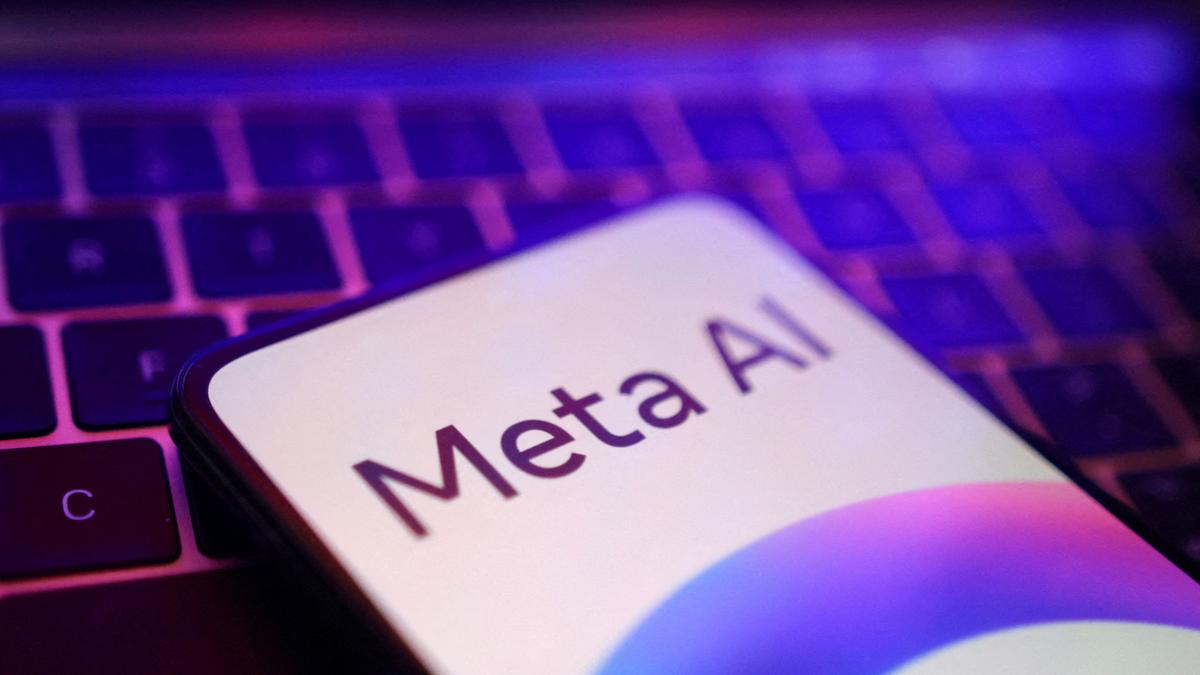
Wall Street just blinked. For eighteen months, the narrative surrounding Meta Platforms was one of reckless spending and a desperate pivot toward a virtual reality wasteland that few users wanted. That story died on October 30, 2025. Following a massive Q3 earnings beat that saw revenue climb to 41.2 billion dollars, a 24 percent year over year increase, the institutional bears are officially in retreat. The skeptics who shouted about the 50 billion dollar Reality Labs sinkhole are now quietly revising their price targets as Meta stock hits a fresh all-time high of 648.12 dollars per share this morning, November 3, 2025.
The money is no longer following the hype. It is following the compute. Per the latest SEC 10-Q filing, Meta has successfully integrated Llama 4 into its core advertising stack, resulting in a 12 percent jump in average price per ad. This is not just a recovery. It is a fundamental re-rating of what a social media company can be when it owns the underlying intelligence layer of the internet.
The Analyst Pivot From Neutral to Conviction
Brent Thill at Jefferies and Mark Mahaney at Evercore ISI both issued rare double upgrades over the weekend. Their logic is cold and mathematical. They are no longer looking at Meta as a social network company but as a vertically integrated AI powerhouse. Thill noted in a client memo on November 1 that the efficiency of Meta’s AI-driven content recommendation engine has increased time spent on Instagram Reels by 38 minutes per week for the average North American user. This engagement is the raw fuel for Meta’s revenue engine.
While the market was distracted by the hardware costs of the Orion glasses, Zuckerberg was busy building a moat that competitors like Snap and TikTok simply cannot afford. Meta’s CapEx guidance for the remainder of 2025 has been tightened to 38-40 billion dollars, a figure that would bankrupt smaller rivals but is easily covered by Meta’s 16.5 billion dollars in free cash flow this quarter alone. According to recent Bloomberg market data, Meta now trades at a forward P/E of 28x, a premium that reflects a total capture of the AI-agent advertising market.
The Technical Mechanism of the AI Squeeze
Why is the market suddenly comfortable with Meta’s burn rate? The answer lies in the technical mechanism of ‘Advantage+ Shopping’ campaigns. In late 2024, these tools were rudimentary. By November 2025, they have become autonomous. Meta’s AI now handles the creative, the targeting, and the bidding without human intervention for over 70 percent of its top 500 advertisers. This has effectively removed the ‘friction of spend’ for small and medium-sized businesses.
Investors are finally seeing the reward for the risk taken in 2022 and 2023. The ‘Year of Efficiency’ was not just about cutting headcount; it was about repurposing every available dollar into H100 and B200 GPU clusters. As reported by Yahoo Finance, the company’s operating margin has expanded to 43 percent, the highest level since the pre-IDFA era. Zuckerberg has successfully navigated the Apple privacy headwinds by building a first-party data machine that doesn’t need to track users across other apps because the AI can predict behavior based solely on in-app interactions.
The Reality Labs Hedge
Reality Labs remains the elephant in the room, but its weight is shifting. The department lost 4.4 billion dollars this quarter, yet the conversation has changed. With the limited release of the ‘Orion’ augmented reality glasses to developers last month, the market is beginning to price in a post-smartphone world. Analysts are no longer viewing Reality Labs as a vanity project but as a long-term insurance policy against the hardware duopoly of Apple and Google.
The risk profile has flipped. The danger used to be that Meta would spend itself into oblivion. Now, the risk for investors is being underweight on the only company that has successfully scaled a consumer-facing AI agent to over 3 billion daily active users. The consensus from the trading floor this morning is clear: Meta is the apex predator of the Magnificent Seven in late 2025. The stock is no longer a ‘value play’ for the brave; it is a ‘growth staple’ for the institutional vanguard.
Watch the upcoming December 15 Federal Reserve meeting for commentary on tech-sector capital intensity, but the real milestone for Meta arrives in early 2026. The market is waiting for the first full-quarter data on Llama 4 enterprise licensing revenue. If Meta can prove that it can monetize its open-source models through enterprise partnerships, the current 648 dollar price point will look like a bargain before the February 2026 earnings cycle begins.