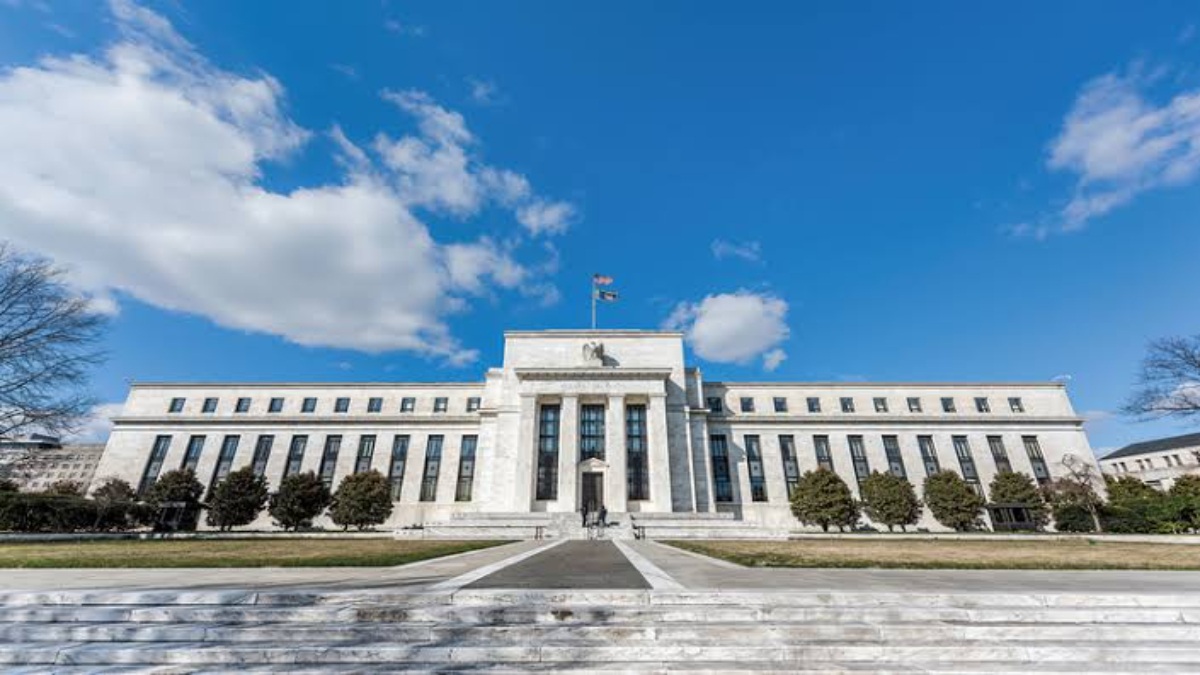
Liquidity is the only gift that matters today. As the markets pause for the holiday, the data reveals a complex tug of war between institutional profit-taking and retail optimism. The numbers do not lie. On December 22, the Bureau of Economic Analysis released the Personal Consumption Expenditures (PCE) price index, showing a year over year increase of 2.1 percent. This suggests the Federal Reserve has effectively cornered the inflation beast, yet the bond market remains skeptical. The 10 Year Treasury yield is sitting at 3.82 percent, reflecting a deep seated fear that the final mile of price stability will be the hardest to walk.
The Anatomy of the December Liquidity Trap
The Santa Claus Rally is not a seasonal miracle. It is a mechanical result of low volume and institutional rebalancing. Throughout the week ending December 24, we observed a massive rotation out of the high flying Magnificent Seven tech stocks and into defensive utilities. NVIDIA, which began the month at 145 dollars, has seen a 4.2 percent retracement as fund managers lock in gains to satisfy year end performance benchmarks. This is not a crash. It is a calculated harvest. When liquidity thins during the holiday week, even a small sell order can trigger a cascade in the options market. We are seeing a significant increase in put buying for the January expiry, suggesting that the smart money is hedging against a hangover.
The risk versus reward profile has shifted. For the first half of the year, the reward was found in chasing the AI narrative at any cost. Now, the risk is the cost of carry. With the Fed Funds Rate holding steady at the 4.25 to 4.50 percent range after the December 13 meeting, the era of free money is a distant memory. Investors are no longer rewarded for mere participation. They are rewarded for precision. The spread between the 2 Year and 10 Year Treasury notes remains inverted at negative 18 basis points, a signal that the bond market still anticipates a slowdown despite the resilient labor data seen in the December 8 non-farm payrolls report.
The Technical Mechanism of the Yield Curve
To understand the current market, one must look at the overnight reverse repo facility. As of December 24, balances have stabilized near 400 billion dollars. This indicates that while there is still excess cash in the system, the plumbing is tightening. Retail investors see a rising S&P 500, currently hovering near 5,840, and assume the coast is clear. However, professional desks are focused on the term premium. The cost of hedging volatility, measured by the VIX, has crept up from 12.4 to 14.8 in the last 72 hours. This is an unusual move during a holiday week. It suggests that a major player is buying insurance against a volatility spike in early January.
We are tracking a specific arbitrage trade involving yen carry positions. With the Bank of Japan hinting at a departure from negative interest rate policies, the cost of borrowing in yen to buy U.S. equities is rising. This is the hidden pressure cooker of the global financial system. If the yen strengthens past 140 to the dollar, we could see a forced liquidation of U.S. tech assets. This is the shadow risk that the mainstream media ignores while focusing on holiday sales figures. Per Bloomberg reports from yesterday, institutional flows are already beginning to repatriate capital to Tokyo, creating a silent drain on Nasdaq liquidity.
The Retail Disconnect and Consumer Debt
While the market celebrates a potential soft landing, the consumer is showing signs of structural fatigue. Credit card delinquencies for those aged 18 to 29 reached 9.4 percent this quarter, the highest level since the global financial crisis. The disconnect between a record breaking stock market and a struggling middle class is widening. This is not just a social issue, it is a mathematical one. Consumer spending accounts for 70 percent of U.S. GDP. If the holiday season, which is projected to show only a 3.1 percent increase in nominal spending according to recent Yahoo Finance retail data, fails to meet expectations, the earnings revisions in January will be brutal.
The mechanism of this risk is simple. High interest rates have finally filtered through to the consumer level. A revolving balance at 21 percent interest is a parasite on discretionary income. We are seeing the first signs of a credit contraction in the subprime auto sector. When the bottom of the pyramid stops spending, the top of the pyramid eventually stops growing. The reward for being long in this environment is capped by the reality of the consumer’s wallet. The risk is a sudden realization that the 2025 growth projections were built on a foundation of debt that is no longer sustainable.
The Institutional Pivot Points
Data from the large scale asset managers shows a clear trend. They are moving into short term Treasury bills yielding 5.3 percent rather than stretching for 4 percent dividends in the equity market. This is the ultimate risk adjusted play. Why take equity risk when a guaranteed return of over 5 percent is available from the U.S. government? This movement of capital is creating a ceiling for the S&P 500. Every time the index touches 5,900, a wave of automated sell orders is triggered. This is the institutional wall that retail buyers are currently running into.
The next major milestone is the January 28 Federal Open Market Committee meeting. The market has currently priced in a 65 percent chance of a 25 basis point cut. If the Fed stays hawkish and holds rates, the disappointment will be reflected in the charts immediately. Watch the 3.9 percent unemployment rate. If the January report, due on the first Friday of the month, shows a climb to 4.1 percent, the Fed will be forced to act. This is the specific data point that will dictate the direction of the first quarter. The holiday rally is a facade of calm. Beneath the surface, the gears of the global economy are grinding toward a significant recalibration.