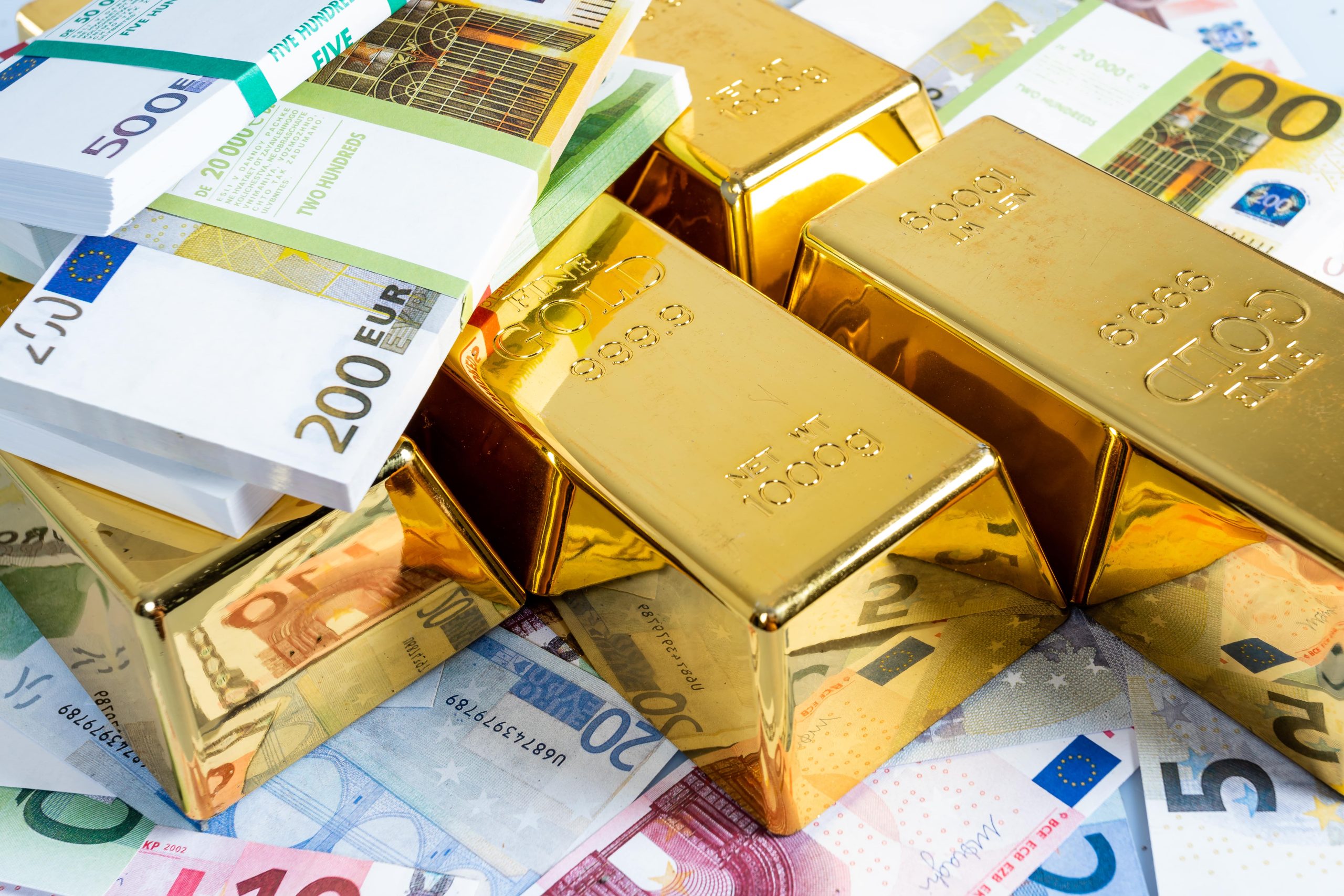
The consensus is dead. While central banks attempt to engineer a soft landing, the divergence between precious metals and energy markets has reached a breaking point. On October 20, 2025, spot gold reached a fresh record high of $3,142.80 per ounce. Simultaneously, West Texas Intermediate (WTI) crude fell to $58.40, marking a definitive shift in global capital allocation. This is no longer speculative noise. It is a fundamental repricing of risk as the market prepares for the next phase of the Federal Reserve easing cycle.
The Bullish Case for $3,100 Gold
Gold has defied traditional gravity. Despite a relatively stable U.S. Dollar Index (DXY), the metal has gained 15.4 percent since the start of the year. This rally is driven by institutional accumulation. Per the latest World Gold Council data, central bank net purchases have remained above the 800-tonne annual threshold for the third consecutive year. The motivation is clear: diversification away from fiat volatility.
Real yields are the secondary engine. With the Federal Funds Rate currently sitting in the 4.25 to 4.50 percent range after the September cut, the opportunity cost of holding non-yielding assets is evaporating. Investors are no longer asking if gold is overvalued. They are asking how much higher the ceiling moves if the October Consumer Price Index (CPI) report reveals a persistent core inflation reading above 3 percent. The market is pricing in a 78 percent probability of another 25-basis-point cut in November, according to the CME FedWatch Tool.
Energy Markets Signal Demand Destruction
Crude oil is screaming recession. The drop below $60 per barrel is not just a function of supply. It is a verdict on global growth. China’s manufacturing PMI has remained in contraction territory for five of the last six months, suppressing appetite for distillates. OPEC+ is in a corner. The group’s decision to maintain current production levels despite falling prices suggests a priority on market share over price stability. This is a dangerous game for petrostates with high fiscal breakevens.
Technically, WTI has broken through the critical support level of $62.50. Without a geopolitical catalyst in the Middle East, the path of least resistance remains downward. Traders are increasingly using energy shorts as a hedge against a broader industrial slowdown. The spread between Brent and WTI has narrowed to less than $3.00, indicating that the supply glut is no longer localized to North American shale but is a systemic global surplus.
Current Asset Performance Metrics
| Asset Class | Price (Oct 20, 2025) | 30-Day Change | Sentiment |
|---|---|---|---|
| Gold (XAU/USD) | $3,142.80 | +6.8% | Strong Bullish |
| WTI Crude Oil | $58.40 | -12.1% | Bearish |
| Swiss Franc (CHF/USD) | 1.2645 | +2.3% | Risk-Off |
| 10-Year Treasury Yield | 3.92% | -18 bps | Dovish Bias |
The Safe Haven Rotation
Capital is seeking shelter. The Swiss franc’s steady climb to 1.26 against the dollar reflects a flight to quality that parallels the move in gold. European economic stagnation is forcing the Swiss National Bank to maintain its policy of managed appreciation to combat imported inflation. This makes the franc an attractive vehicle for carry trades in reverse. When the dollar wobbles, the franc absorbs the overflow.
Wait-and-see is the dominant strategy for the next 72 hours. Markets are paralyzed ahead of the preliminary October GDP estimates. If growth figures underperform the forecasted 1.8 percent handle, the correlation between gold’s rise and oil’s fall will only tighten. The decoupling is complete. Industrial commodities are priced for a freeze while monetary hedges are priced for a fire.
The next critical data point arrives on November 6, 2025. This marks the post-election Federal Open Market Committee (FOMC) meeting. Watch for the terminal rate projection in the updated Dot Plot. If the median forecast for 2026 shifts below 3.25 percent, gold will likely breach $3,300 before the year ends.