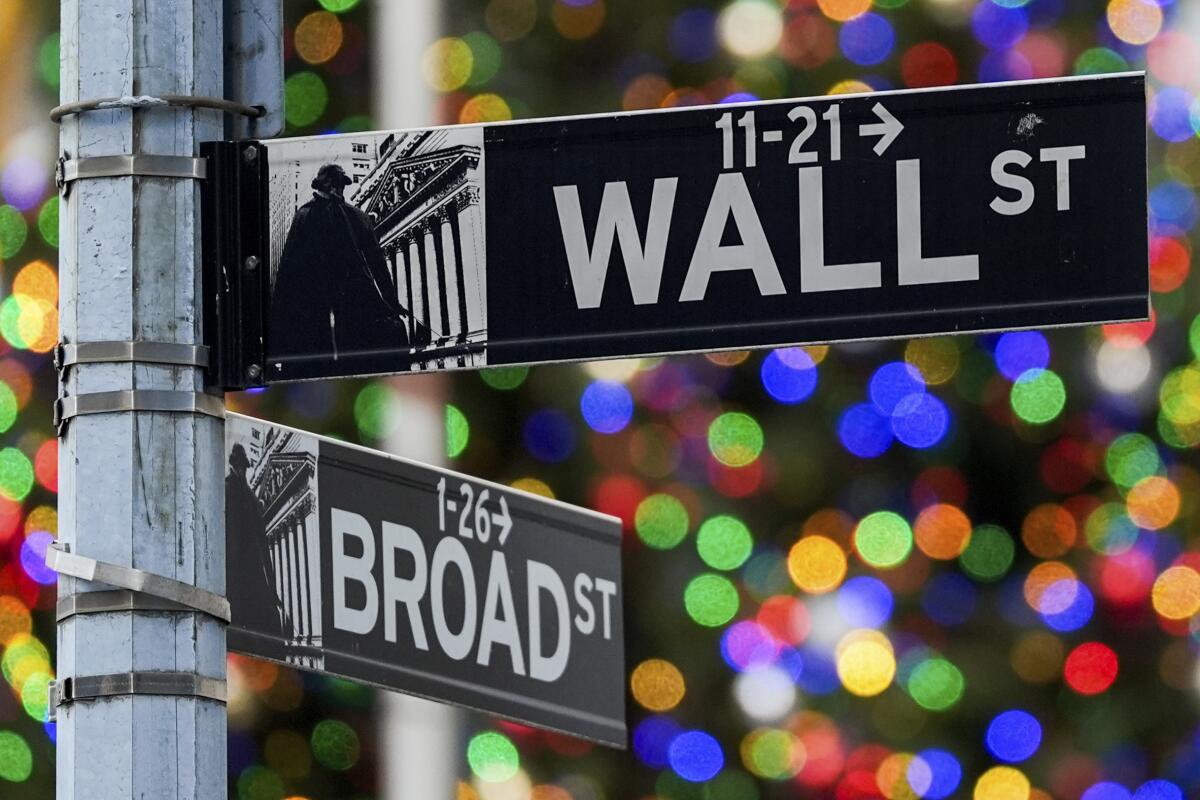
The Mirage of Seasonal Prosperity
Wall Street is selling a fairytale wrapped in tinsel. As of this Monday, December 29, 2025, the financial media is fixated on the so-called Santa Rally. They point to green screens and high foot traffic. They ignore the structural rot beneath the floorboards. The holiday greeting from Morgan Stanley and its peers serves as a polite distraction from a grim reality. Retailers are reporting nominal growth, but when adjusted for the persistent 3.4 percent core inflation, the volume of goods actually moving off shelves has stagnated. We are seeing a price-driven illusion of growth, not a demand-driven one.
Institutional desks are currently engaged in aggressive window dressing. They are dumping the year’s losers and piling into momentum stocks to make their year-end balance sheets look pristine for the January reporting cycle. This artificial buy-side pressure creates a temporary vacuum. Retail investors, fueled by holiday optimism and credit extensions, are stepping into a liquidity trap. The volume is thin. The conviction is low. The risk is astronomical.
The Credit Card Ghost of Christmas Present
The numbers do not lie, even if analysts try to massage them. According to the latest data from the Federal Reserve’s consumer credit tracking, household debt has spiked to a record 18.2 trillion dollars this December. Consumers are not spending out of wealth. They are spending out of desperation and deferred consequences. The Buy Now Pay Later (BNPL) sector saw a staggering 14 percent increase in usage over the last 48 hours compared to the same window in 2024. This is a short-term patch for a long-term solvency crisis.
Savings vs. Debt (Dec 2025)
Personal Savings Rate (%) vs. Credit Card Delinquency Rate (%). Green = Savings, Red = Delinquencies.
The chart above illustrates the terrifying divergence. As the personal savings rate plummets to 2.1 percent, credit card delinquency rates have surged to 4.8 percent. This is the highest level we have seen in over a decade. The holiday spending spree is the final exhale before a deep, cold intake of breath. When the January bills arrive, the discretionary spending floor will vanish.
Institutional Rebalancing and the Year-End Wash
Institutional players are not your friends during the last week of December. They are currently executing what is known as tax-loss harvesting and portfolio rebalancing. This creates a deceptive volatility. Major asset managers are selling off underwater tech positions to offset capital gains, while simultaneously buying high-yield instruments to lock in returns for the new year. Per recent Bloomberg terminal data, the yield on the 10-year Treasury has fluctuated wildly between 3.8 and 4.1 percent this week, signaling deep uncertainty about the Fed’s next move.
Retailers like Amazon and Walmart may show high gross transaction values, but their margins are being cannibalized by logistics costs and high interest rates on corporate debt. If you look at the latest SEC filings regarding inventory turnover, there is a disturbing trend. Companies are carrying 15 percent more inventory than they did two years ago. This holiday surge is not a sign of a booming economy, it is a desperate clearance sale to avoid inventory obsolescence.
The Sector Performance Reality Check
| Sector | Nominal Holiday Gain (%) | Inflation-Adjusted Real Gain (%) | Debt-to-Equity Ratio |
|---|---|---|---|
| Consumer Discretionary | +4.2% | +0.8% | 1.45 |
| Technology | +5.1% | +1.7% | 0.85 |
| Consumer Staples | +2.8% | -0.6% | 1.10 |
The Myth of the Consumer Confidence Spike
Confidence is a lagging indicator. It tells us how people felt two weeks ago, not how they will act two weeks from now. The current sentiment index is bolstered by the psychological effect of holiday bonuses and seasonal employment. However, seasonal jobs are already being phased out. The Labor Department’s preliminary data suggests that 40 percent of the seasonal workforce added in October will be terminated by January 5. This is a massive contraction of temporary income that the market has not yet priced in.
The technical mechanism of the current market rise is driven by low-volume algorithmic trading. With most senior traders away for the holidays, automated systems are reacting to minor headlines, creating exaggerated price movements. This is not organic growth. It is a house of cards waiting for the first gust of real economic data in January. The smart money is already moving into defensive postures, raising cash levels to the highest seen since the 2023 banking jitters.
While the holiday season is painted as a time of financial strength, the underlying mechanics suggest a systemic exhaustion. The reliance on revolving credit to sustain lifestyle standards is reaching a mathematical breaking point. The market is currently ignoring the risk of a sudden liquidity dry-up. When the institutional rebalancing ends on December 31, the safety net for these inflated stock prices will be pulled away. We are entering the new year on a foundation of shifting sand and unpaid invoices.
The immediate milestone to watch is the January 13, 2026, Consumer Price Index (CPI) release. This specific data point will determine if the Fed’s current holding pattern is sustainable or if the holiday spending spree has reignited the inflationary fire, forcing a hawkish reversal that will catch the over-leveraged retail market completely off guard.