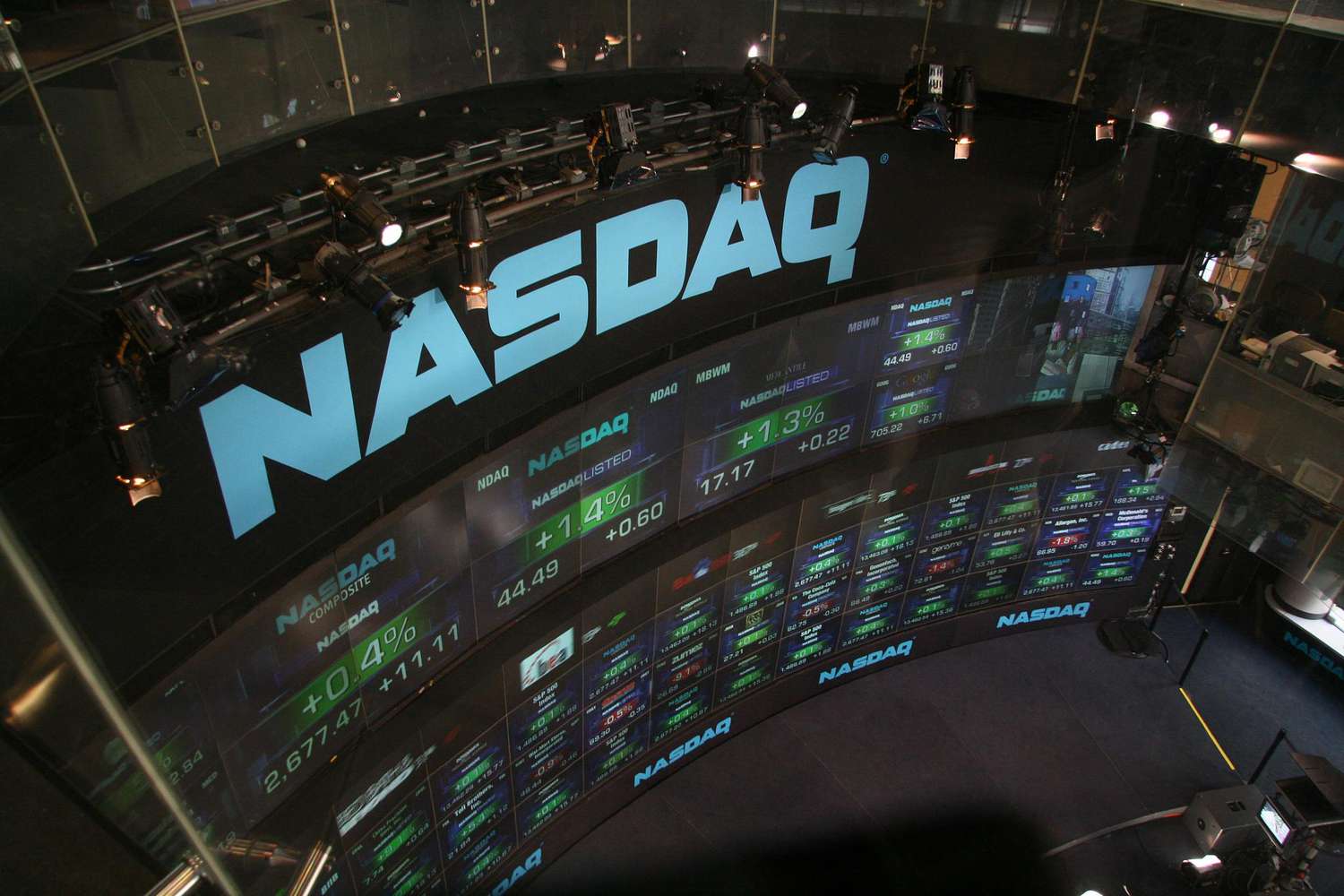
Nvidia shares touched a historic intraday peak of $212.18 this morning before the gravity of the 10-year Treasury yield pulled the broader market into a sideways grind. On this Wednesday, October 29, 2025, the air in lower Manhattan is thick with a specific kind of anxiety. It is not the panic of a crash, but the realization that the 400 billion dollar capital expenditure bill for AI infrastructure is coming due. The money is flowing out of hyperscaler balance sheets at a record clip, yet the return on investment remains a ghost in the machine.
Silicon Peaks and Packaging Bottlenecks
The euphoria surrounding the Blackwell architecture has met the cold reality of advanced manufacturing. While Nvidia reported a record $57 billion revenue quarter recently, the whisper on the floor is about CoWoS-L packaging yields. The complexity of connecting two Blackwell GPUs on a single board has led to a three-month shipping delay for the most advanced B200 models. This delay is forcing the hand of Tier-1 cloud providers. Microsoft and Meta are now forced to extend the lifecycle of their Hopper-based clusters, a move that preserves short-term cash flow but threatens the aggressive training timelines for the next generation of large language models.
Wall Street is shifting its gaze from the chipmakers to the power grid. As chips hit the 1,400W thermal wall, the infrastructure play has pivoted. Companies like Vertiv and Eaton are seeing order backlogs stretch into late 2026. The bottleneck is no longer just the silicon. It is the liquid cooling and the high-voltage transformers required to keep these AI cathedrals from melting down.
The Hyperscaler Spend Matrix
According to the latest IDC Worldwide AI Infrastructure Tracker released yesterday, organizations increased hardware spending by 166% year-over-year. The sheer scale of this deployment is unprecedented. Below is the current snapshot of AI-centric capital commitments for the final quarter of 2025.
| Company | Q4 2025 Projected CapEx | Primary Hardware Target |
|---|---|---|
| Microsoft | $21.5 Billion | Blackwell GB200 NVL72 |
| Meta Platforms | $18.2 Billion | Ariel Architecture / Custom ASICs |
| Amazon (AWS) | $16.8 Billion | Trainium2 & Blackwell B200 |
| Alphabet (Google) | $14.5 Billion | TPU v6 & Liquid Cooling Retrofits |
The Federal Reserve Quiet Period Trap
As we sit in the eye of the storm before the November FOMC meeting, the bond market is doing the talking. The 10-year Treasury yield spiked to 4.08% today, reflecting a growing schism within the Federal Reserve. Minutes leaked from early October discussions suggest a committee deeply divided on the path for December. While the market had priced in a 25-basis point cut, the recent uptick in core inflation, driven by energy costs and new import tariffs, has put a floor under rates.
High rates are the natural predator of the AI trade. When the risk-free rate climbs, the valuation of long-duration tech stocks must be reassessed. The S&P 500 is currently straddling the 6,890 level, unable to break out as institutional desks weigh the massive CapEx spend against the rising cost of capital. We are witnessing the first signs of CapEx fatigue. Investors are no longer rewarding companies just for spending on AI. They are demanding proof of inference-driven revenue. The era of the speculative blank check is over.
The Silent Pivot to Agentic AI
The smartest money in the room is moving away from the brute-force training of massive models. The buzzword in the October 28th after-hours calls was Agentic AI. This refers to autonomous systems that do not just generate text but execute complex workflows independently. This shift is critical because it moves the value proposition from the infrastructure layer to the software layer. For investors, this is the decoupling of 2025. While Nvidia provides the pickaxes, the companies building the autonomous agents are the ones who will capture the high-margin recurring revenue in 2026.
The risks are clear. We have a Treasury market that is pricing in a longer period of restrictive policy and a tech sector that has front-loaded billions in spending. If the labor market shows signs of cooling in the next jobs report, the Fed may be forced to choose between supporting employment and fighting the residual inflation caused by the current infrastructure boom. For now, the trade is in utilities and the grid-to-chip providers who own the physical constraints of the digital age.
The next major milestone for the market will be the January 2026 earnings cycle. This is when the first batch of Blackwell-enabled revenue will show up on the balance sheets of the big seven. Watch the 4.20% resistance level on the 10-year yield. If we break above that before the year-end, the valuation reset for AI stocks could accelerate rapidly.