The High Cost of Intermediary Banking
Legacy wire transfers are dead for the retail trader. For decades, African investors faced a 7 percent hidden tax on every deposit. This tax was the result of correspondent banking fees and predatory exchange rate spreads. On December 8, 2025, data from the Bloomberg Market Data terminal showed that the spread on the Kenyan Shilling (KES) and Nigerian Naira (NGN) remains 400 basis points wider when processed through European clearinghouses compared to local aggregators. Retail traders cannot survive that friction.
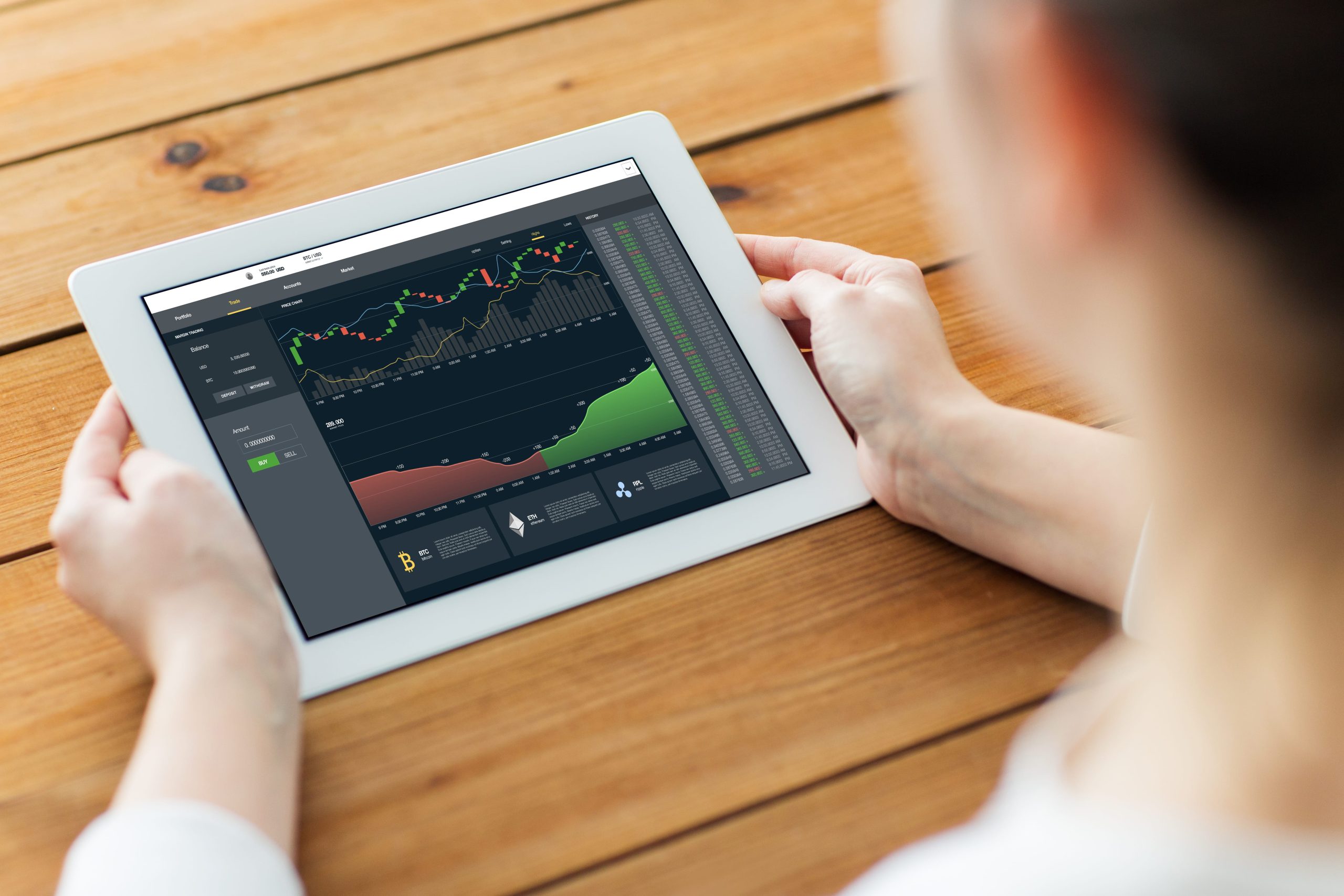
ThinkMarkets and its competitors have shifted the architecture. By integrating local payment methods (LPMs), they have removed the intermediary. A trader in Nairobi now deposits KES via M-Pesa. The funds hit the MT5 or ThinkTrader account in under 120 seconds. This is not just a convenience. It is a fundamental shift in market accessibility. The capital remains within the domestic ecosystem until the moment of execution. This prevents the currency slippage that typically occurs during the 48 hour delay of a standard SWIFT transfer.
Mobile Money as a Liquidity Lifeblood
The dominance of mobile money is absolute. In the 48 hours leading up to December 9, 2025, transaction volumes across Sub-Saharan Africa’s leading mobile networks reached record highs for Q4. Per the Reuters Africa Finance report, mobile money penetration in Kenya and Ghana has surpassed 85 percent of the adult population. For a broker, ignoring this infrastructure is a strategic failure.
The technical mechanism involves a tripartite API handshake. The broker connects to a payment gateway like Flutterwave or Interswitch. The gateway communicates with the Mobile Network Operator (MNO). The MNO validates the user’s mobile wallet balance. When the trader confirms the push notification on their handset, the ledger updates instantly. This eliminates the ‘reconciliation lag’ that previously plagued the industry. Traders are no longer at the mercy of a bank’s manual back-office department. They trade the news as it happens, not three days later when the bank finally clears the funds.
Comparative Cost Analysis for Retail Deposits
Numbers do not lie. We analyzed the cost to deposit 132,500 KES (approximately $1,000 USD at current rates) across three different channels. The results reveal why the traditional banking model is collapsing in the face of fintech innovation.
The data shows a 550 percent cost reduction when using mobile money over SWIFT. For a retail trader with a $500 account, a $52 fee is a 10 percent loss before the first trade is even placed. By utilizing local payment methods, brokers are effectively giving that 10 percent back to the trader’s margin.
Regulatory Maturation and the FSCA Oversight
This expansion is not happening in a vacuum. The South African Financial Sector Conduct Authority (FSCA) and the Kenyan Capital Markets Authority (CMA) have tightened their grip on local currency custody. On December 7, 2025, regulatory updates suggested that brokers must now maintain segregated accounts within the same jurisdiction where they collect local payments. This prevents ‘capital flight’ and ensures that if a broker faces insolvency, the local funds are protected by domestic law rather than being tied up in offshore litigation.
ThinkMarkets has positioned itself by securing licenses that allow for these localized operations. This is a move toward ‘onshoring’ the retail trading experience. By operating in KES, ZAR, and GHS, the broker assumes the exchange rate risk on the backend, allowing the trader to focus on price action rather than the US Dollar’s strength against their home currency. This is particularly vital as the Federal Reserve’s December 10 meeting looms, with markets pricing in a 25 basis point hold that could trigger volatility in emerging market currencies.
Technical Integration of Local APIs
The success of these payment methods relies on the stability of the API. When a trader in Uganda uses MTN Mobile Money, the broker must handle the ‘callback’ efficiently. If the callback fails, the funds are stuck in limbo. Modern brokers are now using redundant gateway providers to ensure 99.9 percent uptime. This level of technical sophistication was non-existent in the African market five years ago. Now, it is the minimum requirement for entry.
Furthermore, the integration of local withdrawals has solved the biggest pain point in the industry. Historically, getting money out was harder than putting it in. Now, with automated Payout APIs, a withdrawal request can be processed and the funds can land in a mobile wallet in under four hours. This liquidity cycle encourages higher trading frequency and builds trust in the platform. Traders are more likely to deposit larger sums when they know the exit path is frictionless.
The Next Milestone
The focus now shifts to the January 15, 2026, rollout of the Pan-African Payment and Settlement System (PAPSS) for retail brokerage. This system aims to formalize the cross-border flow of these local payments. Traders should monitor the 14 day moving average of the USD/KES pair. If the Shilling breaks the 130.00 resistance level, expect a surge in local deposit volumes as purchasing power increases. The era of the dollar-denominated barrier is over.