The 21.3 Trillion Yen Delusion
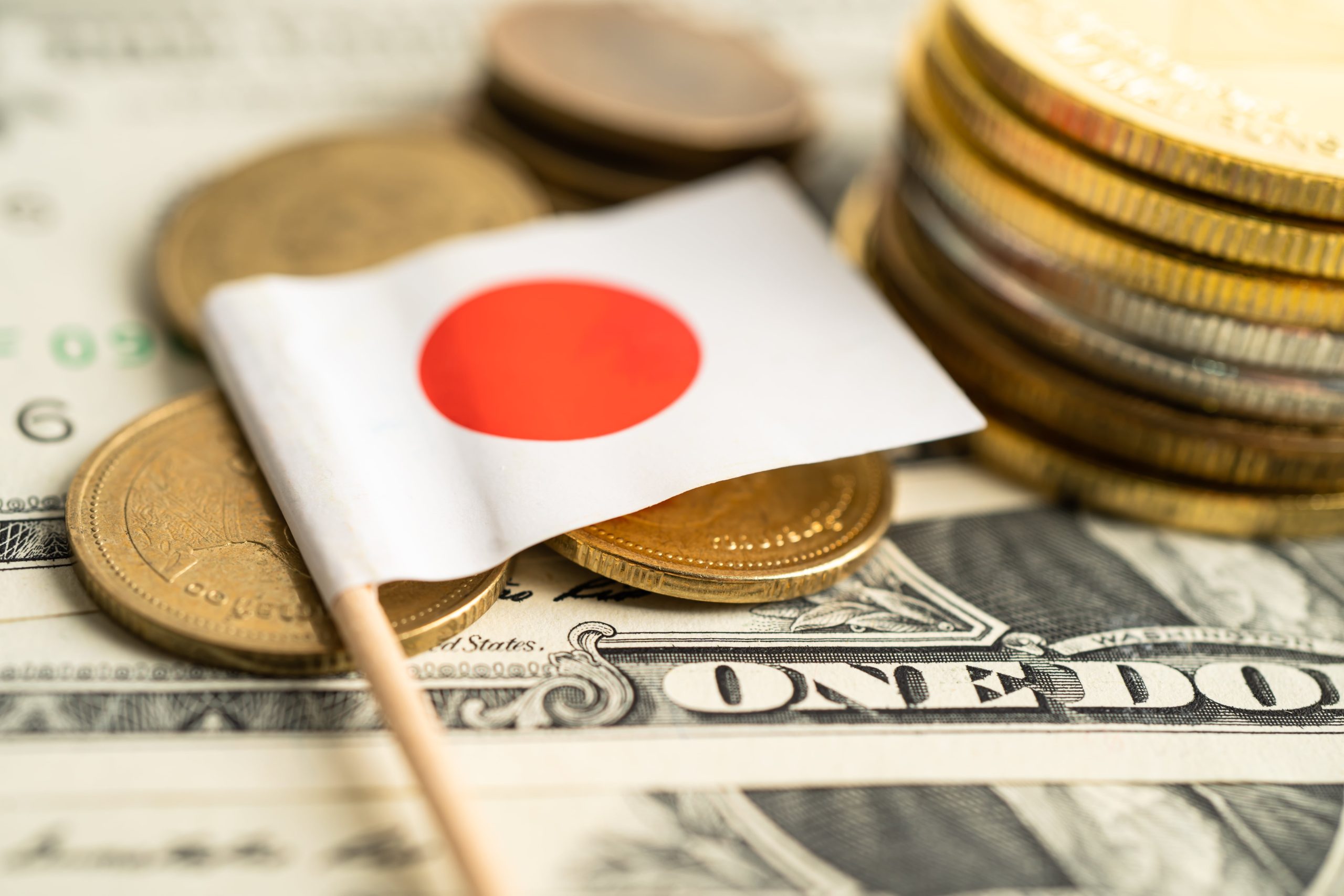
Debt is Japan’s only consistent growth industry. On November 20, 2025, Prime Minister Sanae Takaichi’s cabinet finalized a 21.3 trillion yen ($135.4 billion) stimulus package, a figure that dwarfs the 13.9 trillion yen spent just one year ago. While the administration frames this as a shield against inflation, the underlying data reveals a desperate attempt to mask a structural rot. Japan’s economy contracted at an annualized rate of 1.8 percent in the third quarter of 2025. This fiscal injection is not a spark for growth; it is a life support system for an economy struggling with the double bind of yen depreciation and looming trade barriers.
The package relies on 17.7 trillion yen in general account spending. To fund this, the government is expected to issue a fresh round of bonds exceeding 6.7 trillion yen. This expansionary pivot comes exactly when the Bank of Japan is signaling a move in the opposite direction. While Takaichi pumps liquidity into the system, Governor Kazuo Ueda is preparing to tighten the screws. This policy divergence is unprecedented and dangerous.
The Construction Trap and Zombie Earnings
Market analysts often point to the construction sector as a primary beneficiary. On the surface, the numbers support this. Shimizu Corporation recently reported a statutory profit beat of 186 percent above forecasts. However, a deeper dive into the 2025 earnings models shows this is a peak, not a trend. Analysts covering the sector, including those from Nomura, project a 2.4 percent revenue decline for Shimizu in the coming twelve months. The stimulus is providing a temporary floor for firms like Taisei Corporation and Shimizu, but it fails to address the 4.7 percent annualized revenue contraction expected by the end of 2026.
Construction orders are being driven by government mandates rather than organic private demand. This creates a “zombie” effect where firms appear healthy due to state-sponsored backlogs while their fundamental productivity remains stagnant. The 21.3 trillion yen includes massive subsidies for energy and gas, designed to keep the Consumer Price Index (CPI) from spiraling further. However, with Tokyo’s core inflation already holding steady at 3 percent, these measures are merely treating the symptoms of a weak yen rather than the cause.
Fiscal-Monetary Collision Course
The technical mechanism of this stimulus is counterproductive. By increasing the deficit to fund energy rebates, the government puts further downward pressure on the yen. As of November 20, 2025, the yen remains trapped near 157 per dollar. This weakness forces the Bank of Japan to consider a 25 basis point hike in its December 19 meeting, potentially bringing the policy rate to 0.75 percent, the highest in 30 years. Higher rates will increase the cost of servicing Japan’s massive debt, which is currently triple the size of its GDP.
| Allocation Category | Amount (Trillion Yen) | Primary Objective |
|---|---|---|
| General Account Spending | 17.7 | Public works and social safety nets |
| Tax Reductions | 2.7 | Personal income and inhabitant tax cuts |
| Energy Subsidies | 0.9 | Electricity and gas price caps |
| Child Handouts | 0.4 | 20,000 yen per child payment |
The inclusion of 20,000 yen per child and 3,000 yen rice vouchers highlights the political nature of the package. These are “band-aid” solutions for a population facing a 40 percent year-over-year increase in rice prices. Per the latest Nikkei 225 data, markets have reacted with skepticism; the index remains volatile as investors price in the likelihood that this spending will trigger a faster rate hike cycle from the BOJ.
The Shadow of Global Protectionism
This stimulus is also a defensive crouch against external shocks. The “Trump Tariffs” of 15 percent on Japanese exports have already begun to bite into corporate margins. The government’s projection that this package will boost GDP by 1.4 percent appears overly optimistic given that export volumes to the United States fell in October. If global demand continues to soften, the 21.3 trillion yen will be absorbed by debt servicing and import costs rather than domestic reinvestment.
The next critical data point arrives on December 19, 2025. The Bank of Japan’s decision on whether to raise rates to 0.75 percent will determine if the Takaichi stimulus is a bridge to recovery or the final catalyst for a bond market revolt. Watch the 10-year Japanese Government Bond (JGB) yield; it is currently testing 1.1 percent, a level that signals the market is already losing faith in the government’s ability to spend its way out of a demographic and debt trap.