The Berbera Pivot and the Architecture of Red Sea Security
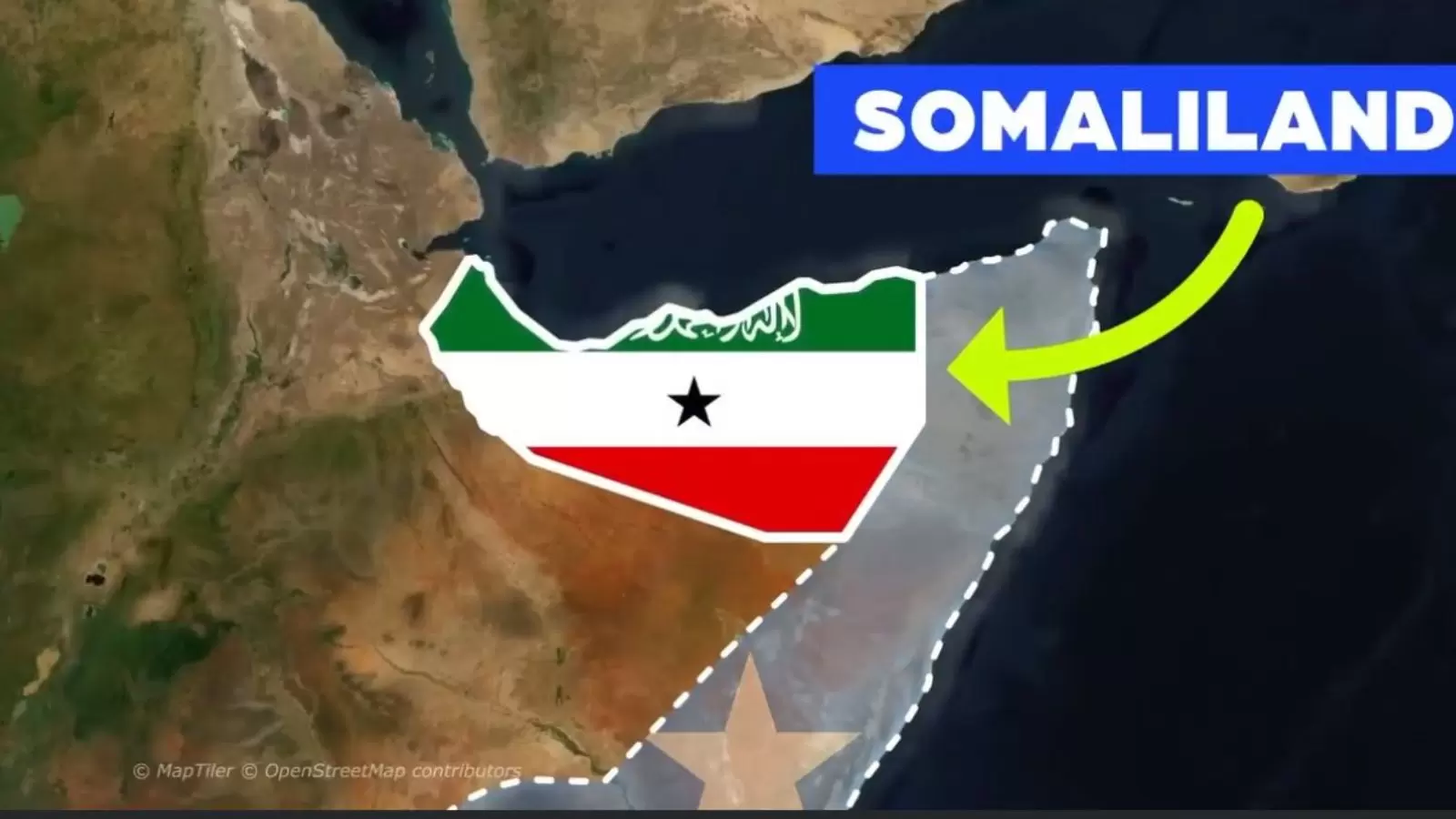
JERUSALEM — The tectonic plates of the Horn of Africa shifted irrevocably this morning. On December 26, 2025, Israel became the first United Nations member state to formally recognize the sovereignty of the Republic of Somaliland. This is not merely a diplomatic gesture; it is a calculated entry into the most volatile maritime corridor on the planet. By signing a bilateral treaty in Hargeisa, Prime Minister Benjamin Netanyahu and Somaliland President Abdirahman Mohamed Abdullahi have effectively bypassed the dormant Ankara Declaration of 2024 and established a new ‘Periphery Doctrine’ 2.0 designed to counter Houthi-led blockades and Iranian naval expansion.
For the institutional investor, the ‘Alpha’ here lies in the rapid de-risking of the Berbera Corridor. While the international community has spent three decades treating Somaliland as a legal ghost, the DP World investment of $442 million has already transformed Berbera into a Tier-1 maritime hub. The port now boasts a 400-meter quay capable of handling Triple-E class vessels, with a current throughput of 500,000 TEUs—a figure set to quadruple as Israeli technology integrates into the Special Economic Zone (BSEZ). The recognition provides the sovereign guarantees that Western insurers have historically lacked, potentially lowering the 15% ‘war risk’ premiums currently choking Red Sea transit.
Quantifying the Maritime Shift
The strategic logic is rooted in the failure of the Bab el-Mandeb as a secure transit point. Per data from the Freightos Baltic Index (FBX) as of December 24, 2025, Asia-to-Mediterranean spot rates have stabilized at a staggering $3,367 per FEU, largely due to the mandatory 14-day rerouting around the Cape of Good Hope. Israel’s presence in Somaliland offers a northern anchor to protect the ‘Gateway of Tears.’ Intelligence reports circulating in Jerusalem suggest the deal includes a long-term lease for an Israeli signals intelligence facility and a potential drone staging ground to monitor the Gulf of Aden.
The Military-Industrial Footprint
Military cooperation is the unspoken pillar of this recognition. Israeli defense exports, which reached a record $14.7 billion in 2024, are increasingly finding markets in the Global South. Elbit Systems and Israel Aerospace Industries (IAI) are reportedly in advanced negotiations to supply Hargeisa with coastal surveillance radar and Heron-series UAVs. This hardware is not for internal policing; it is for regional deterrence. By arming the Somaliland Coast Guard, Israel creates a proxy wall against the Houthi-Al-Shabaab nexus that UN investigators warned was forming in early 2025.
The pushback has been immediate and fierce. A coalition of 21 states, led by Egypt and Saudi Arabia, issued a joint communique late this afternoon condemning the recognition as a violation of Somalia’s territorial integrity. For Cairo, the fear is existential. A thriving Berbera Port, backed by Israeli and Emirati capital, directly competes with the Suez Canal’s revenue stream. Furthermore, the prospect of an Israeli base 1,500 kilometers south of the Sinai disturbs the balance of power that has existed since the 1978 Camp David Accords.
Economic Sovereignty and the Shilling
Somaliland’s Ministry of Finance has already moved to capitalize on the news. The Somaliland Shilling, which has maintained surprising stability against the USD compared to the volatile Somali Shilling, is expected to undergo a formal revaluation. Israel has pledged immediate cooperation in ‘Agri-Tech’ and desalination, targeting the $1 billion livestock export market that currently flows through Berbera to the Gulf. The introduction of Israeli drip irrigation technology could pivot Somaliland from a subsistence economy to a regional agricultural exporter, providing the ‘social license’ required for long-term Israeli presence.
Critics point to the risk of a regional proxy war. Somalia’s President Hassan Sheikh Mohamud has already called for an emergency AU summit, labeling the move a ‘hostile act.’ However, the reality on the ground favors the fait accompli. With Ethiopia still seeking its 20-kilometer naval lease through the 2024 MoU—a deal that Israel’s recognition now validates—the Horn of Africa is being re-mapped by infrastructure and recognition rather than by Mogadishu’s decrees.
The next milestone for analysts occurs on January 15, 2026, when the first Israeli-flagged commercial vessel is scheduled to dock at Berbera’s new deep-water terminal. Watch for the volume of TEU transits through the Berbera-Addis Ababa road corridor; if it exceeds 15% of Ethiopia’s total trade by Q1, the ‘Djibouti Monopoly’ is officially dead.