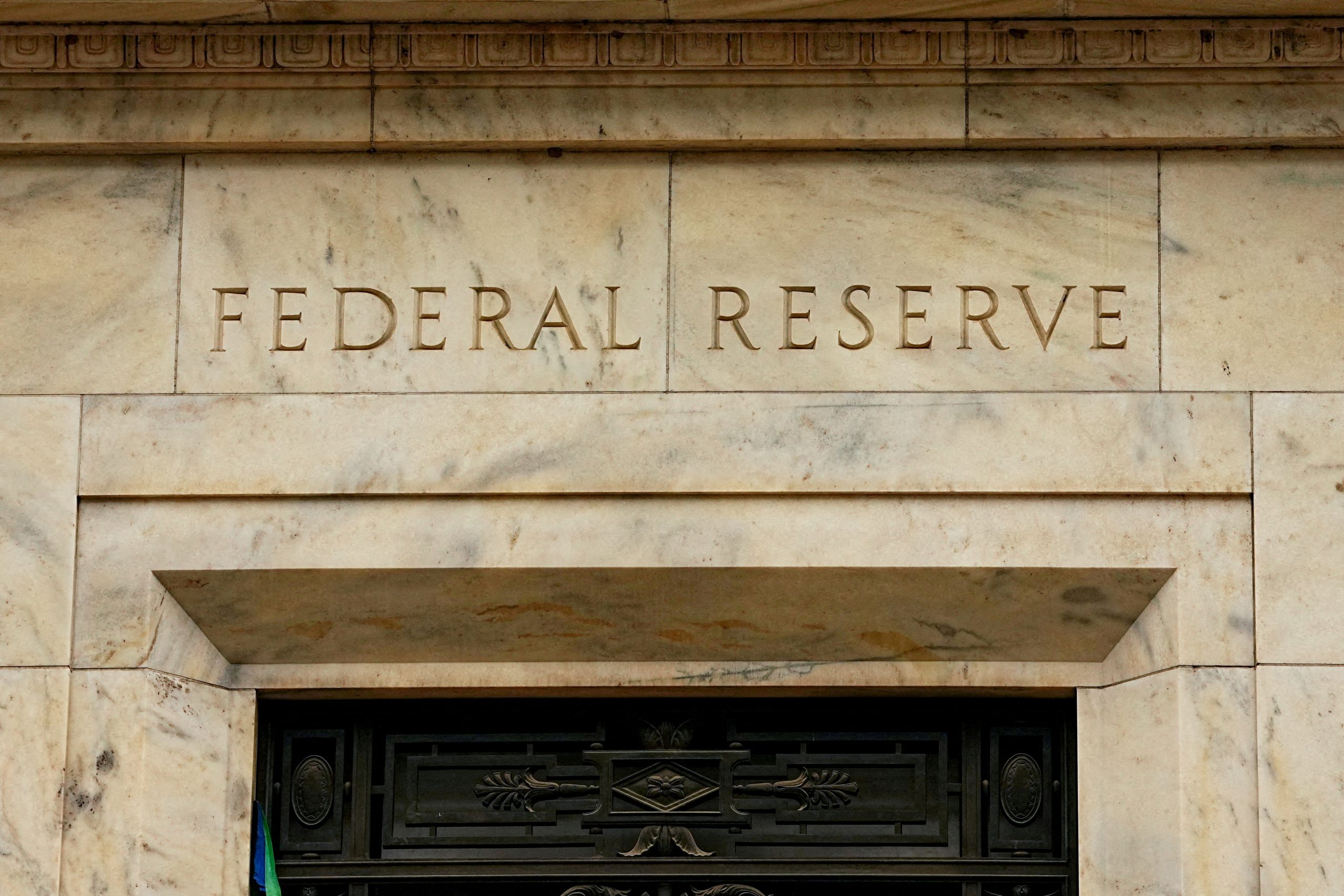
Market volatility is gutting the social impact narrative. As of Friday, November 07, 2025, the S&P 500 is struggling to digest a 1.7 percent weekly decline, even as the Federal Reserve attempted to soothe nerves with a 25 basis point rate cut earlier this week. While the United Nations Development Programme (UNDP) continues to champion women’s leadership as a cornerstone for sustainable peace, the cold reality of the trading floor suggests a widening gap between humanitarian ideals and institutional capital allocation. For the professional investor, the current data vacuum caused by the ongoing government shutdown makes the case for gender lens investing (GLI) more difficult to prove than ever.
The Fed Pivot and the Impact Liquidity Trap
Yield is the only thing that matters right now. On Tuesday, November 4, the Federal Reserve reduced the benchmark funds rate to a range of 3.75 to 4.00 percent. This second cut of 2025 was intended to support a softening labor market, yet it has had the unintended consequence of making high-conviction impact strategies look expensive. When Treasury yields remain above 4 percent, the hurdle rate for social impact projects in conflict-prone regions becomes nearly insurmountable. The UNDP’s rhetoric regarding gender equality as a “strategic move” fails to address the underlying cost of capital that is currently strangling emerging market initiatives.
Stalled Momentum in Gender Lens Assets
The numbers do not lie. Despite the estimated $122 billion in global GLI assets reported earlier this year, the subset of publicly traded Gender Lens Equity Funds (GLEFs) is far smaller and more volatile. According to Parallelle Finance’s Q3 2025 performance review, GLEF assets under management (AUM) stood at just $4.8 billion as of September 30. Performance has been largely flat, trailing the broader tech-heavy benchmarks that have dominated the 2025 bull run. The skeptic’s view is simple: if women’s leadership is a catalyst for peace and stability, why is the market not pricing in that stability during this week’s 10.7 percent spike in the VIX?
- The Data Vacuum: With the Bureau of Labor Statistics offline due to the shutdown, investors are flying blind on gender-disaggregated employment data.
- Valuation Friction: Many firms with high gender-diversity scores are concentrated in consumer discretionary and healthcare sectors, which have lagged behind the AI infrastructure boom.
- The Peace Premium: Investing in post-conflict regions remains a philanthropic exercise, as private credit markets are demanding double-digit premiums that negate the “peace building” benefit.
Auditing the UNDP Strategic Plan 2022-2025
We are currently in the final quarter of the UNDP’s Gender Equality Strategy for 2022-2025. While the agency claims to have reached 300 million women, the financial professional asks: where is the exit? The strategy relies heavily on fiscal and tax reforms in developing nations, but without a functioning global secondary market for gender-linked bonds, these initiatives remain dependent on donor cycles rather than self-sustaining investment. On November 5, market participants booked profits on overvalued AI infrastructure, yet there was no observable rotation into the “stable” social assets the UNDP promotes.
Comparing Weekly Performance Metrics
To understand why institutional money is hesitant, one must look at the relative performance of impact-focused indices versus the benchmark during this week’s volatility.
| Metric (Nov 3 to Nov 7, 2025) | S&P 500 Index | Avg. Gender Lens Equity Fund |
|---|---|---|
| Weekly Price Change | -1.74% | -2.15% |
| Max Drawdown (Intraday) | 2.6% | 3.1% |
| Volume Trend | Above 20-day Average | Below 20-day Average |
The table reveals a harsh truth: gender-diverse portfolios are currently exhibiting higher beta and lower liquidity than the broader market. This contradicts the UNDP assertion that such leadership creates “community resilience.” In a high-rate environment, resilience is measured by cash flow and debt-service coverage, not social metrics. The current “Equanomics” initiative by the UNDP attempts to bridge this by integrating gender into national budgets, but for a hedge fund manager, a national budget reform in a frontier market is a 10-year play, not a quarterly alpha generator.
The next major milestone for this asset class arrives on December 10, 2025, when the FOMC will determine if the current economic cooling warrants a third consecutive rate cut. Investors should watch the 10-year Treasury yield for a break below 4.05 percent; only then will the risk-adjusted returns of social impact and women-led leadership funds begin to look competitive against the risk-free rate. By the launch of the UNDP 2026-2029 Strategic Plan, the market will demand more than “resilience” stories; it will require standardized, audited impact data that can survive a government shutdown.