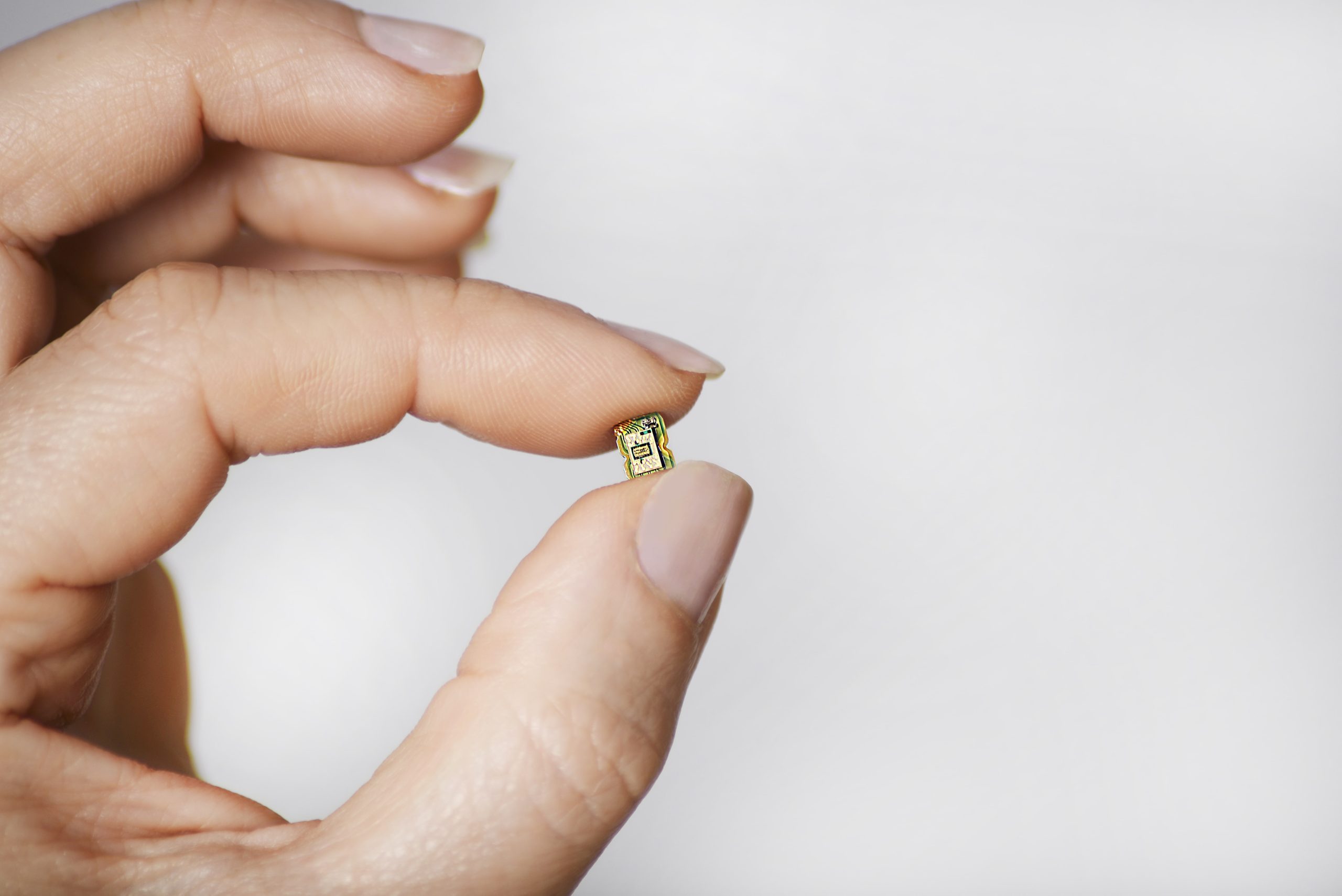
The 1.8nm Validation
Intel stock jumped 8.24 percent on Tuesday, closing at $28.42 as institutional volume surged following leaked terms of a multi-year foundry agreement with Apple. This is not a speculative bounce. The deal, valued at an estimated $4.2 billion through 2027, marks the first time Cupertino has diversified its core silicon fabrication away from TSMC for high-performance compute tiles. Specifically, the contract covers the production of specialized AI accelerators for the upcoming M5 Ultra series using Intel 18A process technology. This move signals that Intel has finally achieved yield parity on its RibbonFET architecture, a milestone that skeptics thought was two years away.
Yield Parity and the 18A Architecture
The technical shift centers on PowerVia backside power delivery. While TSMC plans to implement similar technology in its N2P node by late 2026, Intel has successfully integrated it into the 18A production cycle starting this quarter. Internal data suggests 18A yields for large-die logic have surpassed the 60 percent threshold, the internal benchmark required for Apple to commit to a production ramp. This hardware win is a direct result of the leadership transition that occurred exactly one year ago, which prioritized foundry execution over legacy chip design. By stripping away the bloat of the integrated device manufacturing model, Intel Foundry Services has become a viable alternative for the world’s most demanding client.
Comparative Node Readiness and CapEx Intensity
The capital expenditure required to maintain this lead is staggering. Intel has committed $25 billion to its Ohio and Arizona facilities for the 2025 fiscal year. To put this in perspective, the following table illustrates the divergence in node readiness among the top three global foundries as of December 02, 2025.
| Foundry Provider | Lead Node | Mass Production Status | Major 2025 Client |
|---|---|---|---|
| Intel | 18A (1.8nm) | Ramping Q4 2025 | Apple, Microsoft |
| TSMC | N2 (2nm) | H1 2026 (Projected) | Nvidia, Apple |
| Samsung | SF2 (2nm) | Low Volume R&D | Internal / Qualcomm |
The Geopolitical Hedge
Apple’s pivot is as much about geography as it is about geometry. With 90 percent of the world’s advanced logic currently manufactured in the Taiwan Strait, the risk of supply chain decapitation has reached an untenable level for Silicon Valley. Per the latest Intel 8-K filing, the Apple agreement includes a “Domestic Supply Clause,” ensuring that a significant portion of the wafers are processed within the United States. This provides Apple with a structural hedge against regional instability while allowing Intel to capture the lucrative margins associated with 2nm-class wafers, which are currently pricing at $22,000 per wafer start.
Institutional Short Squeeze
The 8 percent price action on December 2 was exacerbated by a massive short squeeze. According to market data from the Philadelphia Semiconductor Index (SOX), Intel’s short interest had climbed to a three-year high of 7.4 percent of the float prior to the Apple news. Hedge funds betting against the 18A ramp were forced to cover as the technical validation of the Apple deal removed the “bankruptcy risk” narrative that had plagued the stock throughout the first half of 2025. The current momentum suggests a fundamental repricing of Intel as a legitimate foundry player rather than a struggling PC chipmaker.
Structural Margin Expansion
The M5 Ultra compute tile is a high-margin product. Unlike the low-margin modem chips Intel previously supplied to Apple, these are core logic components. Analysts estimate that Intel Foundry Services will see a 450 basis point improvement in gross margin by the end of the next fiscal year as the 18A node moves from development to revenue-generating production. This shift is critical for Intel to fund the next generation of Lithography, specifically the High-NA EUV machines from ASML that are currently being installed in the Oregon D1X facility. The ability to amortize these multi-billion dollar machine costs across Apple-scale volumes is the only path to long-term survival in the leading-edge foundry business.
Market observers should focus on the February 20, 2026, “Foundry Direct” event. This will be the first instance where Intel is expected to provide specific wafer-start guidance for the 14A node. If Intel can maintain its current 18A momentum, the 1.4nm transition will represent the final stage of its return to process leadership, potentially ending TSMC’s decade-long monopoly on the world’s most advanced silicon.