The End of the Grace Period
The signal is deafening. Markets are finally pricing in the chaos they ignored for a decade. On March 13, the World Economic Forum issued a stark warning that environmental change has transitioned from a long-term ESG metric to an immediate driver of geopolitical instability. This is no longer about corporate social responsibility. It is about solvency. Boards that fail to adjust their risk models are essentially committing fiduciary negligence in real time.
Volatility is the new baseline. In the last 48 hours, the Bloomberg Commodity Index has shown unprecedented swings in agricultural futures. Drought conditions in the Northern Hemisphere are not just affecting crop yields. They are destabilizing regional trade agreements. When water becomes a strategic asset, the traditional valuation of infrastructure assets collapses. We are seeing a fundamental repricing of risk that ignores the optimistic projections of 2024.
Geopolitics Meets the Anthropocene
Resource scarcity triggers conflict. Conflict triggers market disruption. The feedback loop is now closed. As per recent reports from Reuters, the migration of manufacturing hubs away from climate-vulnerable coastal zones has accelerated the fragmentation of global supply chains. This is not a slow transition. It is a frantic exit. Capital is fleeing jurisdictions where the cost of climate adaptation exceeds the projected ROI of the underlying enterprise.
Institutional investors are trapped. They hold trillions in legacy assets that are increasingly uninsurable. When the insurance industry retreats, the credit markets follow. Without insurance, there is no mortgage. Without a mortgage, there is no secondary market. The liquidity that fueled the real estate booms of the early 2020s is evaporating in the face of rising sea levels and unpredictable storm surges. The math is simple. The execution is brutal.
Rising Cost of Climate Risk Premiums (2025-2026)
Technical Breakdown of Transition Risk
Stranded assets are the primary threat. Fossil fuel reserves currently valued at billions on balance sheets may never be extracted. The cost of carbon has breached the €115 per ton mark in the European Union, making high-emission operations economically unviable. This is the ‘Green Swan’ event that central banks have feared. It is a synchronized devaluation across multiple sectors simultaneously.
The SEC has intensified its scrutiny. Under the Climate-Related Disclosures mandate, firms must now provide granular data on their Scope 3 emissions and physical risk exposure. The discrepancy between what companies claimed in their 2023 sustainability reports and the reality of 2026 is glaring. Enforcement actions are expected to peak this quarter as regulators move to flush out ‘greenwashing’ from the public markets.
| Sector | Risk Exposure Level | Primary Driver | Projected Impact (Q2) |
|---|---|---|---|
| Insurance | Extreme | Catastrophic Loss Claims | -14% Margin |
| Agriculture | High | Supply Chain Volatility | +22% Input Costs |
| Energy | High | Stranded Asset Devaluation | -18% CAPEX Efficiency |
| Real Estate | Moderate/High | Uninsurable Coastal Assets | -9% Valuation |
The Fiduciary Reckoning
Active management is back. Passive indexing, which dominated the last decade, is failing to account for the idiosyncratic risks of climate disruption. A fund that blindly tracks the S&P 500 is now overweight in companies with massive, unpriced environmental liabilities. Sophisticated capital is moving toward ‘Climate Alpha’ strategies that go beyond simple exclusion lists and into deep technical analysis of physical asset resilience.
The narrative of ‘long-term value’ has shifted. It is no longer about growth at all costs. It is about survival through adaptation. Boards are being forced to choose between massive capital expenditures for resilience or facing a slow, agonizing liquidation by the market. The time for pilot programs and white papers is over. The data is in. The climate is not just changing the weather. It is changing the fundamental laws of finance.
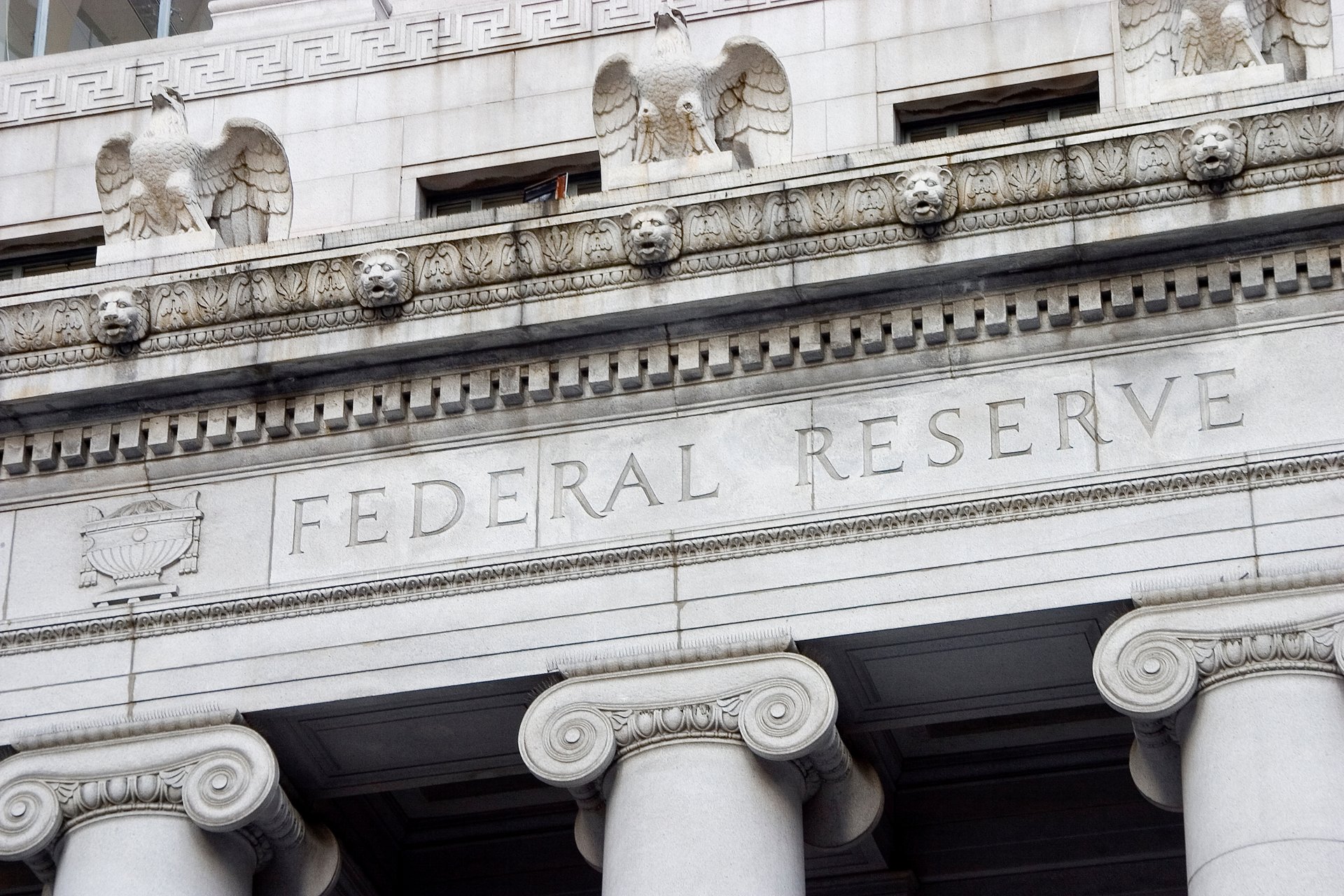
Watch the upcoming Federal Reserve meeting on March 20. The market is anticipating the release of the first comprehensive ‘Climate Stress Test’ results for the top 10 U.S. banks. Any indication that capital requirements will be adjusted based on climate risk exposure will trigger a massive rebalancing of the global bond market. The 4.5% yield on the 10-year Treasury may soon look like a relic of a more stable era.