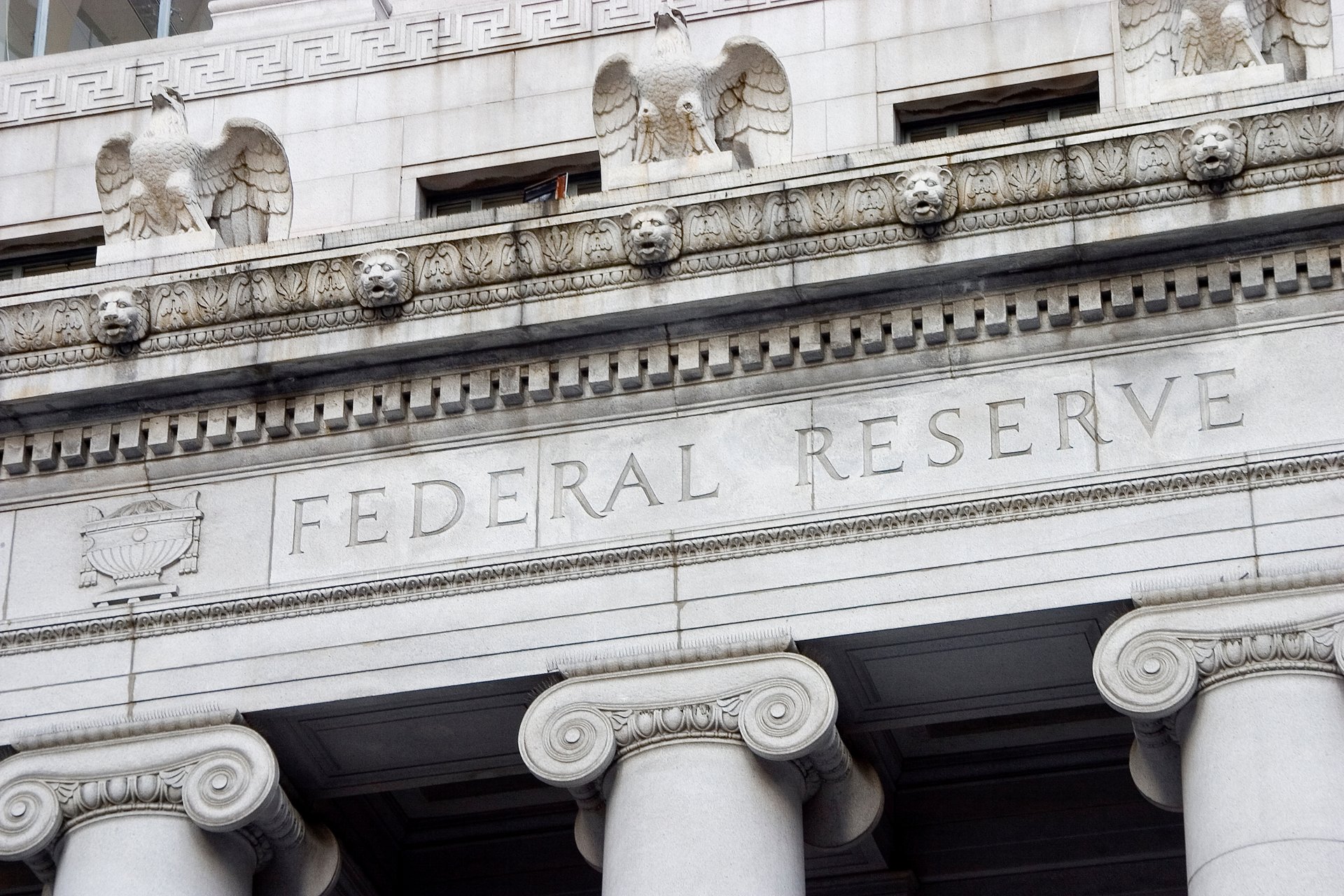
The Quiet Before the Hassett Storm
Money does not just talk; it screams when the fundamental rules of the game are about to be rewritten. On this morning of December 08, 2025, the foreign exchange markets are vibrating with a nervous energy that the typical retail investor has yet to decode. While the headlines focus on the surface level drama of political appointments, the real story is the tectonic shift in real interest rate expectations. Kevin Hassett is no longer just a name on a shortlist; he represents a structural pivot toward a supply-side monetary framework that challenges every assumption held by the Federal Reserve for the last decade.
I believe the market is fundamentally miscalculating the volatility that a Hassett-influenced Fed will inject into the U.S. Dollar Index (DXY). The consensus view suggests a mechanical decline in the dollar as rates are pushed lower to accommodate growth. However, this ignores the ‘Tariff-Dollar Loop’ where aggressive fiscal policy forces the dollar higher in the short term, creating a massive liquidity trap for emerging markets. We are not looking at a standard easing cycle; we are looking at a regime change where the dollar is used as a geopolitical lever.
The Real Rate Trap and the Global Divergence
Real interest rates, the nominal yield minus inflation, are the true gravity of the currency world. As of this morning, the 10-year Treasury yield is hovering near 4.45 percent, but with inflation expectations adjusting to a new tariff-heavy environment, the real return is becoming a moving target. If Hassett successfully pushes for a more ‘pro-growth’ Fed, he is effectively signaling that the U.S. is willing to tolerate higher inflation to maintain nominal dominance. This is a high-stakes gamble that pits the U.S. Treasury against the global bond market.
Per the latest Bloomberg Treasury data, the yield curve remains stubbornly inverted in key segments, signaling that the market does not yet buy the ‘soft landing’ narrative of the new administration. The table below illustrates the stark divergence in real rates between the U.S. and its primary trading partners as we stand today, December 08, 2025.
| Country/Region | Nominal 10Y Yield | Current Inflation | Real Interest Rate |
|---|---|---|---|
| United States | 4.45% | 2.9% | +1.55% |
| Eurozone (Bund) | 2.42% | 2.1% | +0.32% |
| Japan (JGB) | 1.05% | 2.3% | -1.25% |
| United Kingdom | 4.15% | 2.6% | +1.55% |
The parity between the U.S. and the UK in real rates is a temporary anomaly. I expect the ‘Hassett Effect’ to compress the U.S. real rate rapidly as 2026 approaches, leading to a sudden and violent rotation out of dollar-denominated cash into hard assets.
Visualizing the 48 Hour Dollar Surge
In the last 48 hours, the DXY has moved with a velocity that suggests insider front-running of the next Fed nomination cycle. The following visualization tracks the DXY Index’s ascent from December 4th to this morning, December 8th, 2025.
The Contrarian Play for a Volatile FX Landscape
The standard playbook says to sell the dollar when rates drop. My thesis is different. We are entering a period of ‘Fractured Liquidity.’ As the U.S. pivots toward a Hassett-led Fed, other central banks will be forced into a defensive crouch. According to Reuters FX analysis, the European Central Bank is already weighing a pre-emptive cut to protect export competitiveness against looming U.S. tariffs. This means the dollar may actually stay strong even as the Fed eases, simply because every other currency is worse.
The trade is not shorting the dollar against the Euro; the trade is shorting the dollar against gold and industrial commodities. We are seeing the ‘weaponization of the yield curve.’ If the Fed loses its independence to a pro-growth mandate, the dollar ceases to be a store of value and becomes a political tool. Investors should watch the USD/JPY pair closely. Per Yahoo Finance currency trackers, the yen is currently the most sensitive ‘canary in the coal mine’ for U.S. policy shifts. If USD/JPY breaks 155.00 before the end of the month, it confirms that the market is pricing in a complete abandonment of the current monetary orthodoxy.
The January 20th Trigger
The next critical data point is not the upcoming CPI print, but the confirmation hearings of the new economic team in early 2026. The market is currently operating on rumors, but the reality of a ‘low-rate, high-tariff’ environment will hit the tape when the transition officially begins on January 20th. Keep a sharp eye on the 2-year Treasury yield on that day. If it drops while the 10-year stays flat, the resulting steepening of the curve will be the definitive signal to exit the dollar and move into tangible assets before the first quarter of 2026 ends.