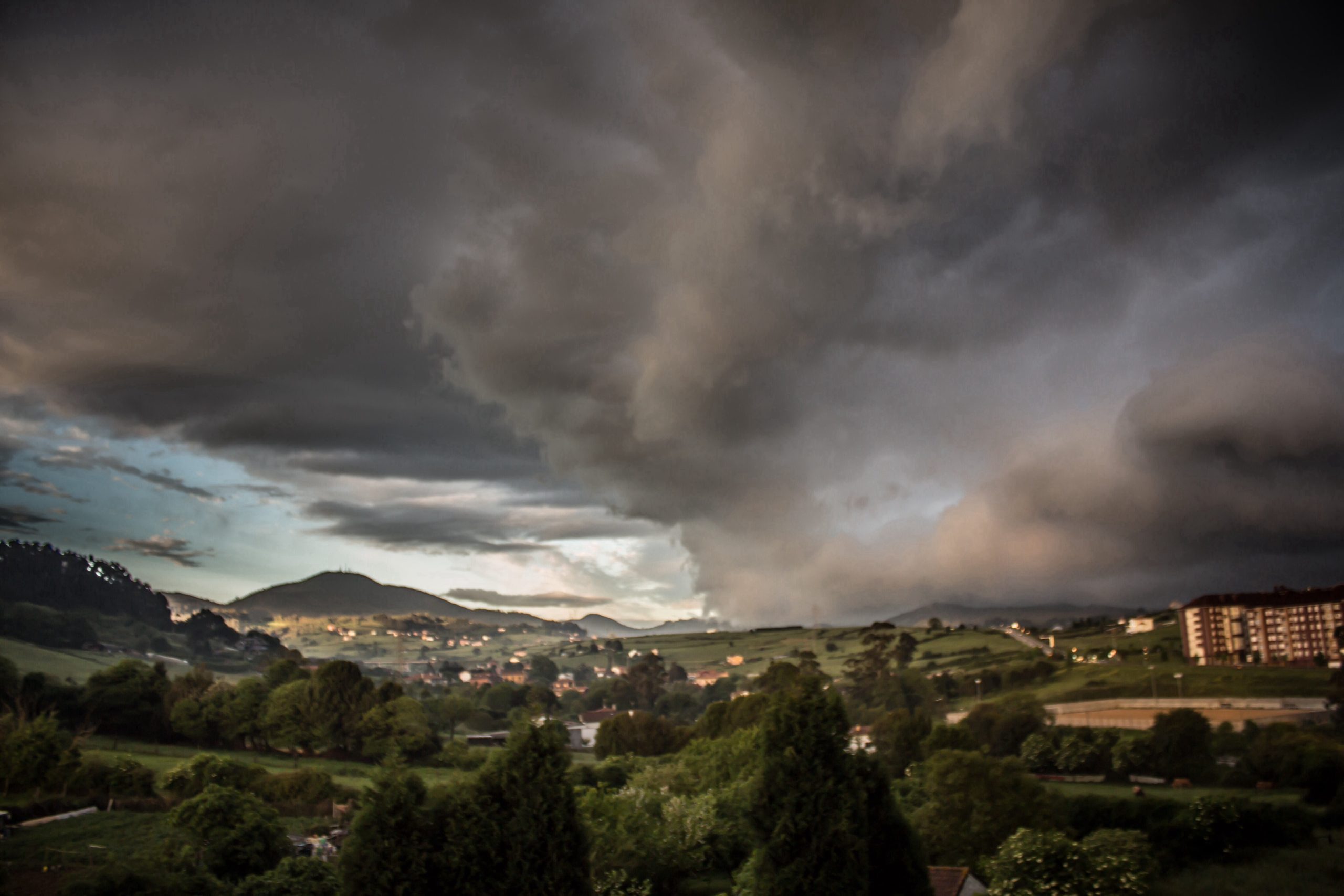
The ground is still wet.
In the boardrooms of Kingston, the smell of damp drywall is being replaced by the scent of fiscal desperation. While the international press trumpets the United Nations Development Programme (UNDP) grant of $2 million, local analysts are staring at a much bleaker ledger. Hurricane Melissa did not just strip the roofs off the Parish of St. Elizabeth. It stripped the varnish off the Jamaican economic miracle of early 2025. We were told the debt-to-GDP ratio was on an irreversible glide path toward 60 percent. The storm has rewritten that trajectory in mud and debris.
The math does not add up.
A $2 million grant is a rounding error in a reconstruction effort that the Planning Institute of Jamaica (PIOJ) now estimates will exceed $1.4 billion. To bridge this gap, the government is leaning heavily on the sovereign bond market, but the timing is catastrophic. As of November 22, 2025, yields on Jamaica’s 2028 notes have spiked by 45 basis points. This is not just a reaction to physical damage. It is a vote of no confidence in the speed of the tourism sector’s pivot. When the wind stopped, the capital flight began.
Ticker Analysis: The NCBFG Litmus Test
If you want to understand the true health of the island, look at NCB Financial Group (NCBFG). As the largest financial interest on the island, its price action tells the story that the UNDP press releases hide. In the 48 hours leading into this Monday, November 24, NCBFG has seen a 4.2 percent retraction on the Jamaica Stock Exchange (JSE). This sell-off is driven by fears of a massive spike in non-performing loans (NPLs) within the agricultural and small business sectors. Investors are betting that the government’s moratorium on debt payments for storm victims will eat directly into the bank’s Q4 2025 earnings.
Tourism is a fragile shield.
The Ministry of Tourism claims that 90 percent of hotel rooms are operational. This is a technical truth that masks a commercial lie. While the rooms exist, the infrastructure connecting them to Sangster International Airport is fractured. Caribbean Producers Jamaica (CPJ), a critical supplier to the hospitality trade, is currently trading at its lowest P/E ratio in three years. According to real-time JSE data, the supply chain disruption has increased logistics costs by 22 percent since Melissa made landfall. The “resilience” being preached by officials ignores the fact that a hotel without a reliable road or a steady food supply chain is just a high-end shelter.
The Bank of Jamaica is trapped.
Governor Richard Byles faces a binary choice that both lead to pain. Inflation for the month of October 2025 clocked in at 8.1 percent, largely due to the decimation of local vegetable crops. To cool this, the Bank of Jamaica (BoJ) should raise rates. However, raising rates now would strangle the very businesses trying to rebuild from the storm. The current policy rate of 7.0 percent is likely to remain frozen through the end of the year, a move that signals the bank is prioritizing survival over price stability. This is a dangerous game. If the Jamaican Dollar (JMD) slips further against the greenback, the cost of imported construction materials will skyrocket, making that $1.4 billion recovery bill look optimistic.
2025 Economic Indicators: Post-Storm Reality
- JSE Main Index: 312,450 (Down 6.7% since August)
- JMD to USD: 158.40 (Historical low)
- Agricultural Loss: $145M (Concentrated in coffee and cocoa)
- Emergency Reserves: $4.2B (Adequate, but depleting)
We are seeing a divergence between the “Official Jamaica” and the “Market Jamaica.” Official Jamaica points to the UNDP climate resilience grants as proof of international support. Market Jamaica looks at the bid-ask spreads on insurance-linked securities (ILS). The premium for catastrophe bonds covering the 2026 season has already jumped by 15 percent. This is the smart money saying that Melissa was not an outlier, but the new baseline.
The technical mechanism of the failure.
Why did the $2 million fail? It is a matter of liquidity versus solvency. The UNDP funds are earmarked for “community restoration,” which in bureaucratic terms means workshops and small-scale debris removal. It does not address the fundamental solvency of the Jamaican power grid. Marred by legacy debt, the utility providers are unable to absorb the cost of replacing 400 miles of downed transmission lines without a massive tariff hike. This creates a secondary inflationary spike that no grant can fix.
Watch the January review.
The next critical data point for the region is the January 2026 IMF Resilience and Sustainability Facility (RSF) review. If the IMF grants a waiver on the primary balance targets, it will provide a temporary reprieve for Jamaican bonds. However, if they insist on fiscal austerity during a reconstruction phase, we will see a sovereign credit rating downgrade by February. Watch the 10-year yield. If it crosses the 9.5 percent threshold before the New Year, the reconstruction of the Caribbean will be funded by debt that the next generation cannot afford to service.