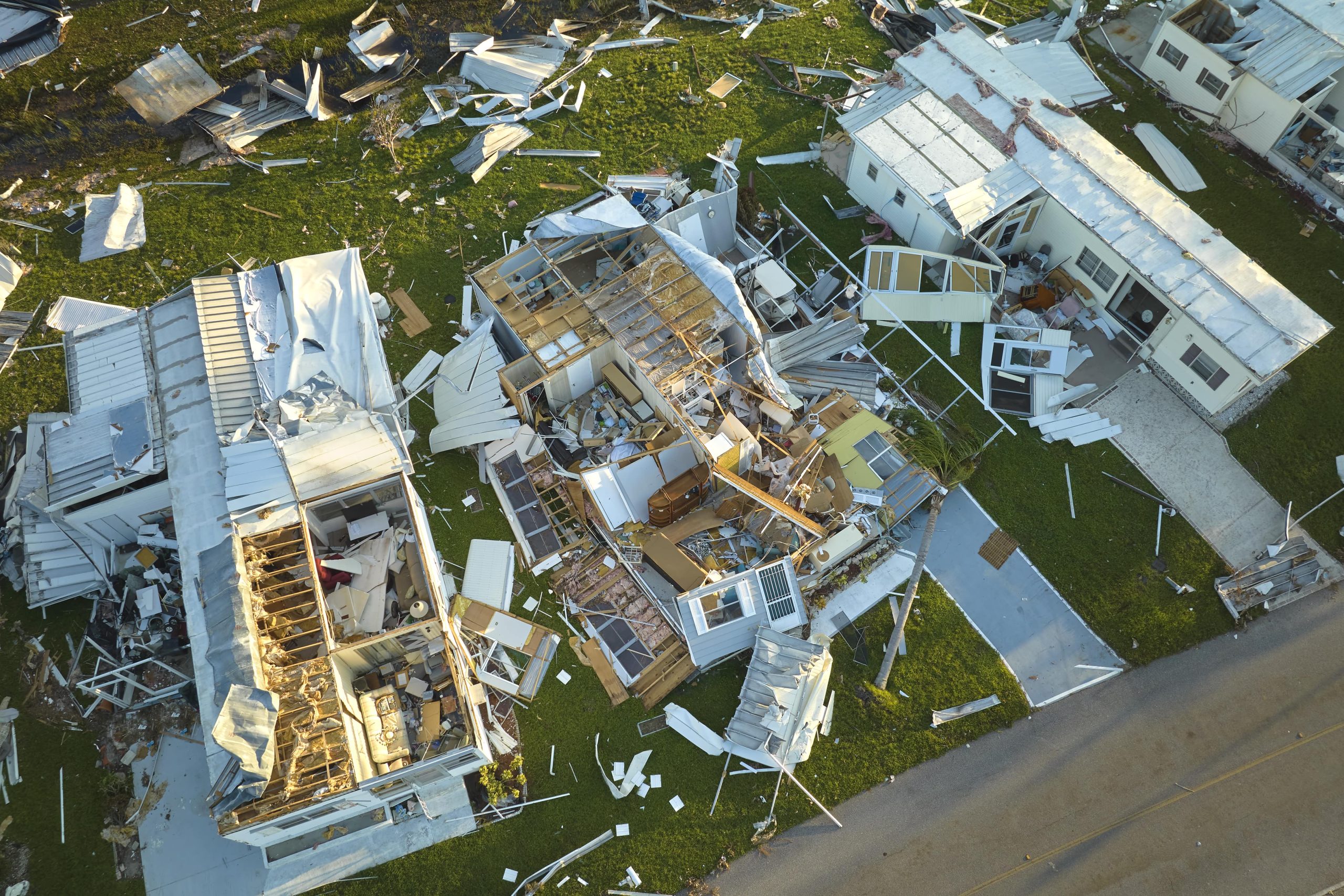
The Price of 4.8 Million Tonnes
The air in western Jamaica today smells of wet cedar and stagnant salt. It is the scent of 4.8 million tonnes of debris. To the relief workers on the ground, this is a logistical nightmare. To the bondholders in London and Zurich, it is a mathematical certainty of loss. Hurricane Melissa did not just strip the canopy from the Blue Mountains; it shredded the risk models that institutional investors used to price Caribbean catastrophe bonds. The narrative of resilience is currently being rewritten by the cold mechanics of parametric triggers.
As of November 6, 2025, the financial fallout is eclipsing the physical damage. We are no longer looking at a simple cleanup operation. We are witnessing the first major test of the IBRD CAR 130 catastrophe bond since its issuance. This $150 million instrument was designed to protect Jamaica from exactly this scenario. However, the gap between physical destruction and financial liquidity is widening. While the 4.8 million tonnes of debris block the roads to Negril, the complex legal language of the bond is blocking the flow of emergency capital.
The Parametric Trap
Parametric insurance is a gamble on physics, not on damage. Unlike traditional insurance, which pays based on an assessment of lost property, these bonds pay out based on event intensity. For Jamaica’s current bond, the trigger is tied to central atmospheric pressure. If Hurricane Melissa’s eye passed through specific coordinate boxes with a pressure below a certain threshold, the payout is automatic. If it didn’t, the government gets nothing, regardless of how many millions of tonnes of debris are piled in the streets.
Early data from the National Hurricane Center suggests Melissa bottomed out at 942 millibars as it skirted the coast. Per the Reuters financial analysis of the bond’s prospectus, the primary trigger for a full $150 million principal loss begins at 940 millibars. This two-millibar difference represents a binary outcome: total relief or total loss for the Jamaican treasury. This is the ‘Alpha’ that general news outlets are missing. The socio-economic stability of the island for the next eighteen months rests on the calibration of a few weather buoys.
The Agricultural Death Spiral
Agriculture is not just a sector in Jamaica; it is the collateral for rural micro-loans. The UNDP has noted the devastation, but the financial mechanism behind the failure is more specific. The destruction of the coffee crop in the eastern parishes has triggered a cross-default risk for local credit unions. Farmers who took out ‘replanting loans’ in early 2025 now have zero cash flow to service that debt. According to Bloomberg bond market data, the yield on Jamaican domestic short-term paper has spiked by 240 basis points in the last 48 hours.
This is a liquidity crunch in its purest form. When the debris is not cleared, the coffee cannot be transported. When the coffee is not transported, the loans are not paid. When the loans are not paid, the credit unions stop lending. This cycle is far more dangerous than the wind itself. The 4.8 million tonnes of debris act as a physical ‘stop-payment’ order on the entire rural economy.
Comparison of Recent Caribbean Storm Impacts
To understand the scale of Melissa, we must look at the financial intensity compared to previous 2025 events and historic benchmarks.
| Storm Event | Debris (Million Tonnes) | CAT Bond Payout Status | Economic Loss (Est. USD) |
|---|---|---|---|
| Hurricane Beryl (July 2024) | 1.2 | Partial Trigger | $600 Million |
| Hurricane Melissa (Nov 2025) | 4.8 | Pending (940mb Threshold) | $2.1 Billion |
| Tropical Storm Elsa (2021) | 0.4 | No Trigger | $150 Million |
The Tourism Hedge
The Montego Bay and Negril corridors are currently ghost towns. While the physical structures of the major resorts held up better than the residential areas, the infrastructure surrounding them has collapsed. The risk here is ‘Business Interruption’ at a sovereign scale. Jamaica’s debt-to-GDP ratio, which had been on a downward trajectory, is now projected to pivot sharply upward as tax receipts from the winter tourist season evaporate.
Institutional investors are currently shorting Caribbean hospitality REITs. They are betting that the 4.8 million tonnes of debris cannot be cleared before the December 15th peak season begins. If the logistics chains remain broken by then, the lost revenue will not be recoverable. The CCRIF SPC payout protocols may provide a small $20-$30 million cushion for the government, but this is a drop in the bucket compared to the $2.1 billion in estimated economic losses.
The Next Milestone
The market is now fixated on a single date: January 12, 2026. This is when the official secondary settlement data for the IBRD CAR 130 bond will be finalized by the calculation agent. If the verified central pressure is confirmed at 941 millibars, the bondholders keep their principal, and Jamaica faces a fiscal chasm. If it is 939, the island receives a $150 million lifeline. Between now and then, watch the regional inflation data; if the debris removal costs continue to escalate at the current 12% weekly clip, the government will be forced to tap the IMF’s Resilience and Sustainability Facility by late February.