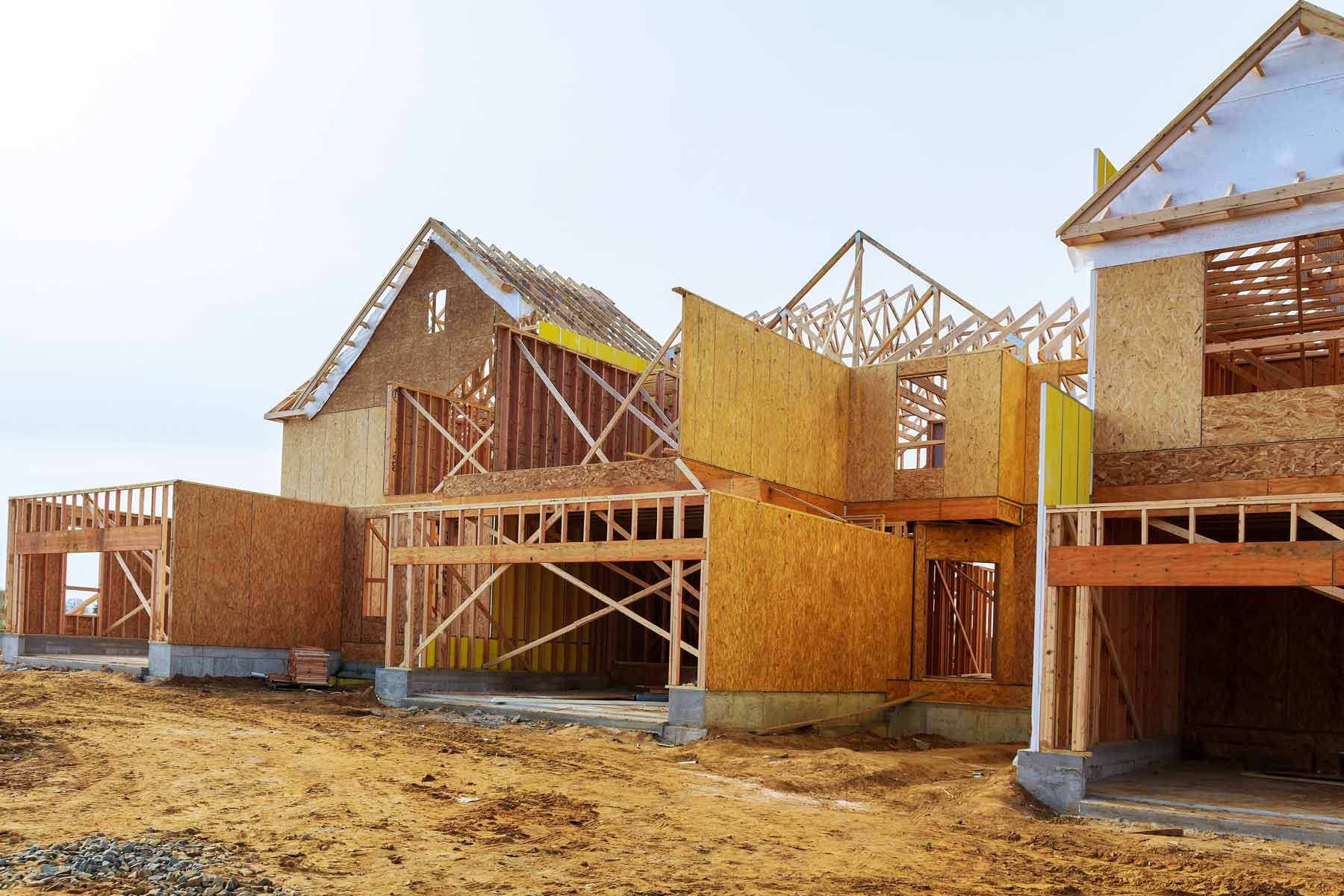
The Kitchen Remodel is Dead
The orange aprons are seeing red. Home Depot CEO Ted Decker just confirmed what the bond market hinted at months ago. The American consumer has stopped dreaming of granite countertops. They are focused on survival. Large-scale home improvement projects have hit a wall. This is not a seasonal dip. It is a structural shift in how the middle class allocates capital.
Decker’s commentary today highlights a chilling reality for the retail sector. Customers are telling the company they are not investing in large projects. The reason is a toxic cocktail of low consumer confidence, a softening jobs picture, and price levels that refuse to revert to the mean. Affordability is no longer a hurdle. It is a barricade. Per the latest Bloomberg market data, the discretionary spending index has decoupled from the S&P 500, signaling a divergence between Wall Street wealth and Main Street liquidity.
The Death of the Wealth Effect
Home equity was once the American ATM. That machine is out of order. For a decade, rising home prices allowed homeowners to tap into HELOCs to fund six-figure renovations. Today, the math does not work. Interest rates remain stubbornly elevated, making the cost of borrowing for a non-essential project prohibitive. When a kitchen remodel costs 40 percent more than it did three years ago and the financing costs have tripled, the ROI vanishes.
The technical mechanism at play is the negative wealth effect. As housing turnover slows to a crawl, the psychological impetus to upgrade diminishes. People renovate when they move. They are not moving. They are locked into 3 percent mortgages, staring at the same four walls, but refusing to spend a dime to improve them. According to the Home Depot 10-K filings, the average ticket size for big-ticket items—defined as transactions over $1,000—has seen its sharpest contraction since the 2008 financial crisis.
The Consumer Confidence Trap
Sentiment is a lagging indicator. By the time it hits the basement, the damage is done. Decker pointed specifically to the jobs picture. While the headline unemployment rate remains deceptively low, the quality of employment is degrading. Underemployment is rising. Real wage growth is being eaten alive by service-sector inflation. The consumer is not just broke. They are scared.
Affordability in the broader economy is now the primary driver of retail failure. It is not just the price of the lumber. It is the price of the eggs, the insurance, and the electricity. When the basic cost of living consumes 70 percent of household income, the deck project gets canceled. This is a systemic pullback that suggests the Federal Reserve’s battle with inflation has finally cracked the consumer’s backbone.
Visualizing the Decline in Big Ticket Spending
The Inventory Glut and Margin Compression
Retailers are now caught in an inventory trap. They ordered for a consumer that no longer exists. Home Depot and its peers are sitting on stockpiles of high-end appliances and premium materials that are not moving. This leads to aggressive discounting. Discounting leads to margin compression. The virtuous cycle of the post-pandemic boom has inverted into a race to the bottom.
We are seeing a pivot toward the Pro segment, but even that is a mirage. Professional contractors are reporting a thinning backlog. The “Do-It-For-Me” market is sensitive to the same interest rate pressures as the DIY market. If the homeowner cannot get a loan, the contractor does not get the job. The ripple effect through the construction supply chain is only beginning to be felt. This is evidenced by the latest Reuters retail survey which shows a 12 percent drop in forward-looking contractor sentiment indices.
| Economic Indicator | Current Status (Feb 2026) | Impact on Retail |
|---|---|---|
| Consumer Sentiment | 62.4 | Very Negative |
| Average Ticket Size | $84.12 | Declining |
| Inventory Turnover | 3.8x | Stagnant |
| Mortgage Rate (30Y) | 6.85% | Restrictive |
The Path Forward
The market is looking for a pivot that isn’t coming. The Federal Reserve has signaled that while the hiking cycle may be over, the restrictive phase is just entering its most painful chapter. For Home Depot, this means a year of defensive maneuvering. They will focus on small-ticket maintenance items—the things people buy when they have to fix a broken toilet, not when they want a new spa bathroom.
Investors should look past the quarterly earnings beats and focus on the project volume. The volume is the truth. The next major data point to watch is the March 12 release of the Producer Price Index. If wholesale costs for building materials do not collapse in tandem with falling demand, the margin squeeze at the retail level will become a permanent fixture of the 2026 fiscal year. The renovation supercycle is over. The era of the patch-and-repair economy has begun.