The $300 Million Mirage
Capital is a coward, but biology is an absolute. As delegates depart the humidity of northern Brazil following the COP30 summit, the Belém Health Action Plan stands as a testament to the widening chasm between diplomatic rhetoric and actuarial reality. The $300 million pledge announced this week is a statistical rounding error. It represents less than 0.01 percent of the total climate finance requirement identified by the World Health Organization for 2026. For institutional investors, the Belém declaration is not a solution. It is a signal of a massive, unpriced sovereign risk. The integration of health into climate policy marks the beginning of the end for the ‘silent’ health liability in emerging market debt.
Sovereign Risk and the Heat-Labor Nexus
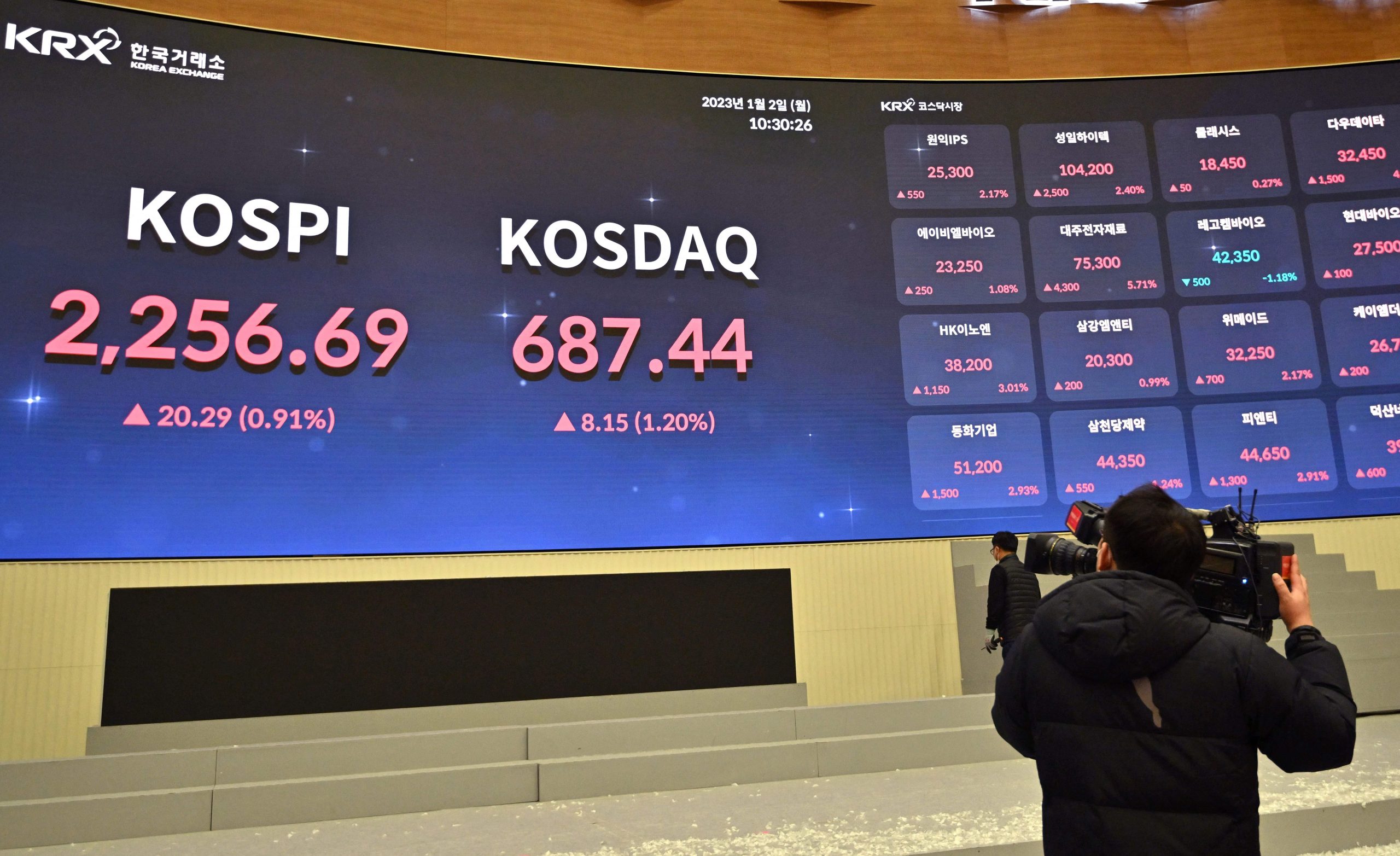
Macroeconomic stability now hinges on physiological limits. In the 48 hours leading into November 25, the IBOVESPA index reflected the market’s unease with Brazil’s fiscal headroom, closing down 1.2 percent as concerns over domestic spending collided with the ambitious goals of the Belém plan. The core issue is labor productivity. As heat-bulb temperatures exceed 35 degrees Celsius in the Global South, the agricultural and construction outputs of nations like Brazil and Indonesia face a structural decline. This is not a future-dated problem. It is a present-day drag on GDP. According to Bloomberg Terminal data from earlier today, the spread on Brazilian 10-year sovereign bonds remains sensitive to environmental resilience metrics, yet the Belém funding fails to address the insurance gap for these heat-exposed workforces.
Alpha in the Adaptation Infrastructure
Where the public sector falters, the private sector is carving out a high-margin niche. The Belém Health Action Plan emphasizes ‘climate-resilient healthcare systems,’ a euphemism for a total overhaul of medical logistics and cold-chain infrastructure. This creates a specific Alpha opportunity in logistics and health-tech. Tickers such as Siemens Healthineers (SHL.DE) and Philips (PHG) are repositioning their emerging market strategies to focus on modular, solar-powered diagnostic centers. In Brazil, Rede D’Or São Luiz (RDOR3.SA) is already trading at a premium compared to its peers because of its aggressive investment in disaster-resistant hospital infrastructure. The market is beginning to reward resilience over mere scale.
Comparative Funding and Global Health Exposure
The following table illustrates the disparity between the COP30 health pledges and the actual market capitalization of the firms expected to bridge the infrastructure gap.
| Entity / Initiative | Pledge/Market Cap (USD) | Primary Exposure |
|---|---|---|
| Belém Health Action Plan | $300 Million | Intergovernmental Grants |
| UnitedHealth Group (UNH) | $520 Billion | Managed Care & Insurance |
| Thermo Fisher Scientific (TMO) | $210 Billion | Diagnostic Infrastructure |
| Green Climate Fund (Health) | $1.2 Billion | Global Adaptation Loans |
The Vector-Borne Inflationary Spike
Inflation is no longer purely a monetary phenomenon. It is increasingly biological. The expansion of vector-borne diseases like Dengue and Zika into temperate zones, discussed heavily in the COP30 sidebars on November 23, is disrupting supply chains in previously ‘safe’ zones. When a Dengue outbreak shuts down a semiconductor assembly line in Southeast Asia, the ripple effect on Western tech stocks is immediate. Companies like Eli Lilly (LLY) and Novo Nordisk (NVO) are now being viewed not just through the lens of metabolic health, but as defensive plays against a world where the geographic range of illness is expanding. Their vaccine and anti-viral pipelines are the new strategic reserves.
The Actuarial Pivot
Insurance giants such as Swiss Re and Munich Re have been the loudest voices in Belém, and for good reason. The traditional models for life and health insurance do not account for the non-linear progression of climate-related morbidity. As we look at Yahoo Finance data for the re-insurance sector this week, we see a hardening of rates that reflects this uncertainty. The $300 million fund is intended to seed ‘early warning systems,’ but the real movement is in the private placement of catastrophe bonds specifically tied to health outcomes. This is the financialization of the pandemic risk, a trend that will accelerate as the data from COP30 is digested by risk committees in London and New York.
The critical milestone to watch is the January 15, 2026, release of the Lancet Countdown’s updated regional health-risk assessments. These figures will likely serve as the new baseline for ESG-linked debt covenants. Investors should expect a sharp re-rating of healthcare REITs that have failed to harden their facilities against the rising frequency of extreme weather events. The Belém plan was the opening bell for a decade where biology and balance sheets become inseparable. Watch the BRL/USD exchange rate on January 15 for the first sign of how sovereign credit markets respond to these new health-adjusted fiscal projections.