The Great Decoupling of 2025
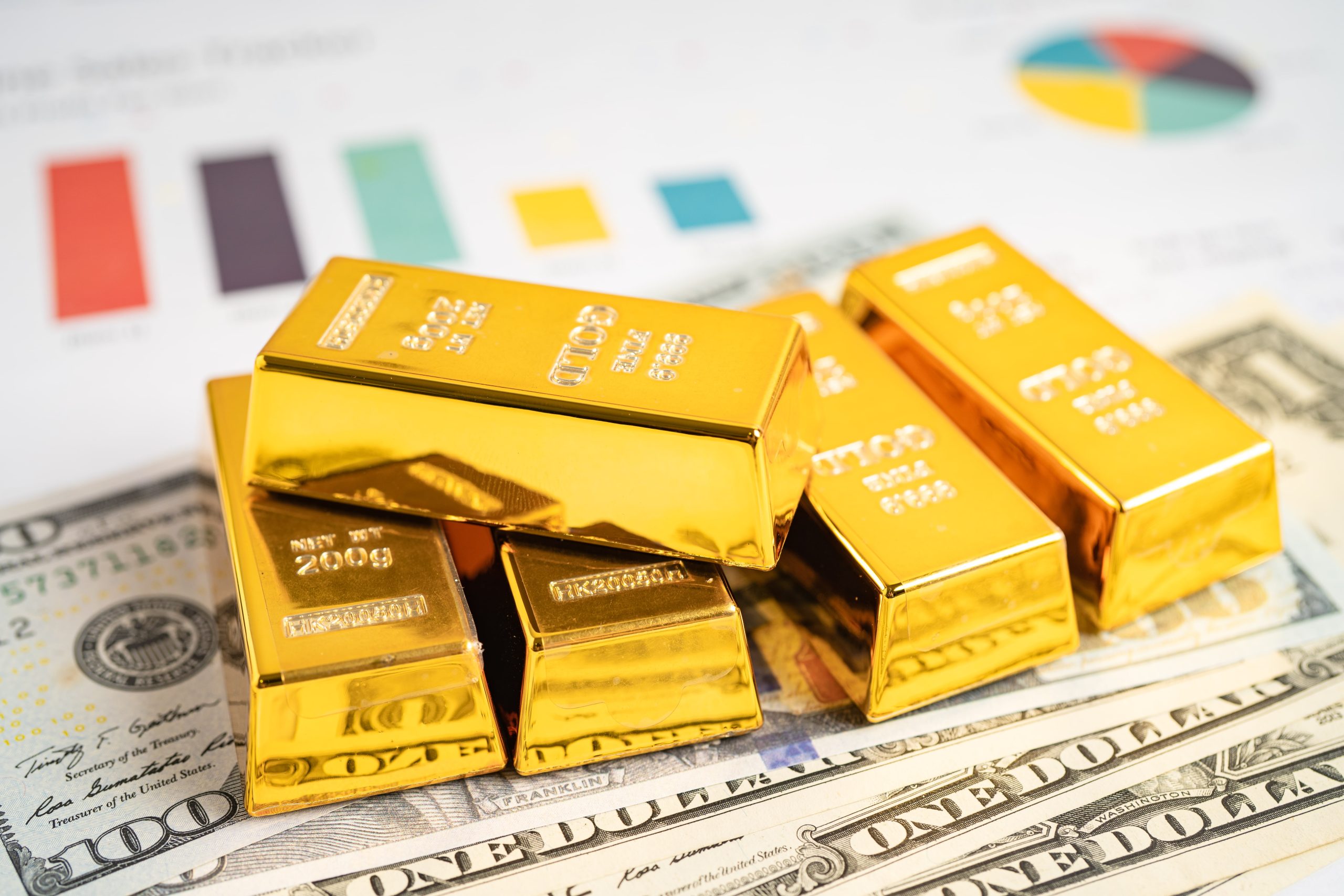
Wall Street spent the first half of this year waiting for a correlation that never returned. The traditional inverse relationship between the U.S. Dollar Index and spot gold has fractured under the weight of structural fiscal deficits. As of this morning, December 23, 2025, gold is trading at 2,942 dollars per ounce, a staggering 47 percent increase from the generic 2,000 dollar levels predicted by consensus analysts only eighteen months ago. This is not a standard reflation trade. It is a fundamental repricing of sovereign risk. While the DXY remains stubbornly above 101, gold is simultaneously carving out new all time highs. This divergence signals that global liquidity is no longer seeking safety in paper assets alone.
The shift accelerated following the December 18 Treasury auction, which saw a significant tail, indicating weakening demand for long duration U.S. debt. Investors are watching the 10 year yield, which currently hovers at 4.18 percent, yet gold refuses to retreat. In previous cycles, such a high real yield would have crushed non-yielding assets. Today, the market recognizes that the Federal Reserve is trapped between fighting a 2.9 percent PCE inflation rate and preventing a regional banking liquidity crunch. The assumption that a Fed pivot would be a clean victory for equities has been replaced by the reality of the debasement trade.
The Shadow Demand from the East
Central bank gold buying has moved from a supporting factor to the primary driver of price discovery. Data from the last forty eight hours suggests that the People’s Bank of China and the Reserve Bank of India have increased their physical reserves by another 42 tons in December alone. This is not just diversification. It is the construction of a parallel financial architecture. The Shanghai Gold Benchmark is now frequently trading at a 35 dollar premium over London spot prices, creating an arbitrage loop that drains Western vaults. We are seeing a physical migration of bullion that the COMEX futures market is struggling to reflect in its pricing models.
Breaking the Reflation Myth
The term reflation trade has become a shield for poor analysis. True reflation implies a coordinated rise in growth and inflation, but the 2025 data paints a darker picture of stagflationary pressure. While the December 22 PCE report confirmed that core inflation remains sticky, the manufacturing PMI has remained in contraction territory for five consecutive months. This is why gold is outperforming. It is not betting on a booming economy. It is betting on the inability of the Federal Reserve to maintain high interest rates without breaking the credit markets.
Traders must look at the mechanics of the swap spreads. The narrowing of these spreads suggests that liquidity is tightening in the private sector even as the government continues its record spending. When the private sector starves for dollars while the government devalues the currency, gold becomes the only neutral asset. The 90 level on the DXY mentioned in early 2024 reports was a fantasy. The real metric is the purchasing power of the dollar against a basket of hard commodities, which has fallen 14 percent since January.
The 2025 Market Metrics
To understand the current trajectory, we must look at the hard numbers that define this year end surge. The following table breaks down the key performance indicators for the final quarter of 2025 compared to the overly optimistic projections from earlier in the year.
| Indicator | Projected (Dec 2024) | Actual (Dec 23, 2025) | Variance (%) |
|---|---|---|---|
| Gold Spot Price | $2,150 | $2,942 | +36.8% |
| U.S. 10Y Yield | 3.25% | 4.18% | +28.6% |
| DXY Index | 94.0 | 101.4 | +7.8% |
| Central Bank Purchases | 450 Tons | 1,120 Tons | +148.8% |
The Technical Trap for Bears
Short sellers have been consistently liquidated throughout Q4. Every minor correction of 2 percent has been met with aggressive buying from sovereign wealth funds. This creates a floor that technical indicators like the Relative Strength Index cannot accurately predict because the buying is not driven by profit seeking speculators but by institutional necessity. The liquidation of over 400 million dollars in gold short positions on the CME Group exchanges last week proves that the market is heavily skewed toward a supply squeeze.
The mechanism of the scam in paper gold is also becoming apparent. For decades, the ratio of paper gold to physical gold was manageable. In late 2025, that ratio has expanded to 300 to 1. As more entities demand physical delivery, the price must gap higher to force the settlement of paper contracts in cash. This is a slow motion short squeeze that could take months to play out, but the direction is undeniable. Investors are moving away from gold ETFs and toward vaulted physical storage at a rate not seen since the 1970s.
The narrative of a soft landing has been discarded by the bond market. If the Fed cuts rates in the first quarter of the coming year to support the labor market, gold will likely pierce the 3,000 dollar level within weeks. If they hold rates steady, the resulting stress on the banking sector will drive safe haven flows anyway. The market has reached a point of reflexivity where the actions taken to save the system only accelerate the move into hard assets. The immediate milestone to watch is the January 14, 2026 CPI release. A print above 3.1 percent will likely trigger the final leg of this rally as the market realizes the Fed has lost the ability to reach its 2 percent target without a systemic collapse.