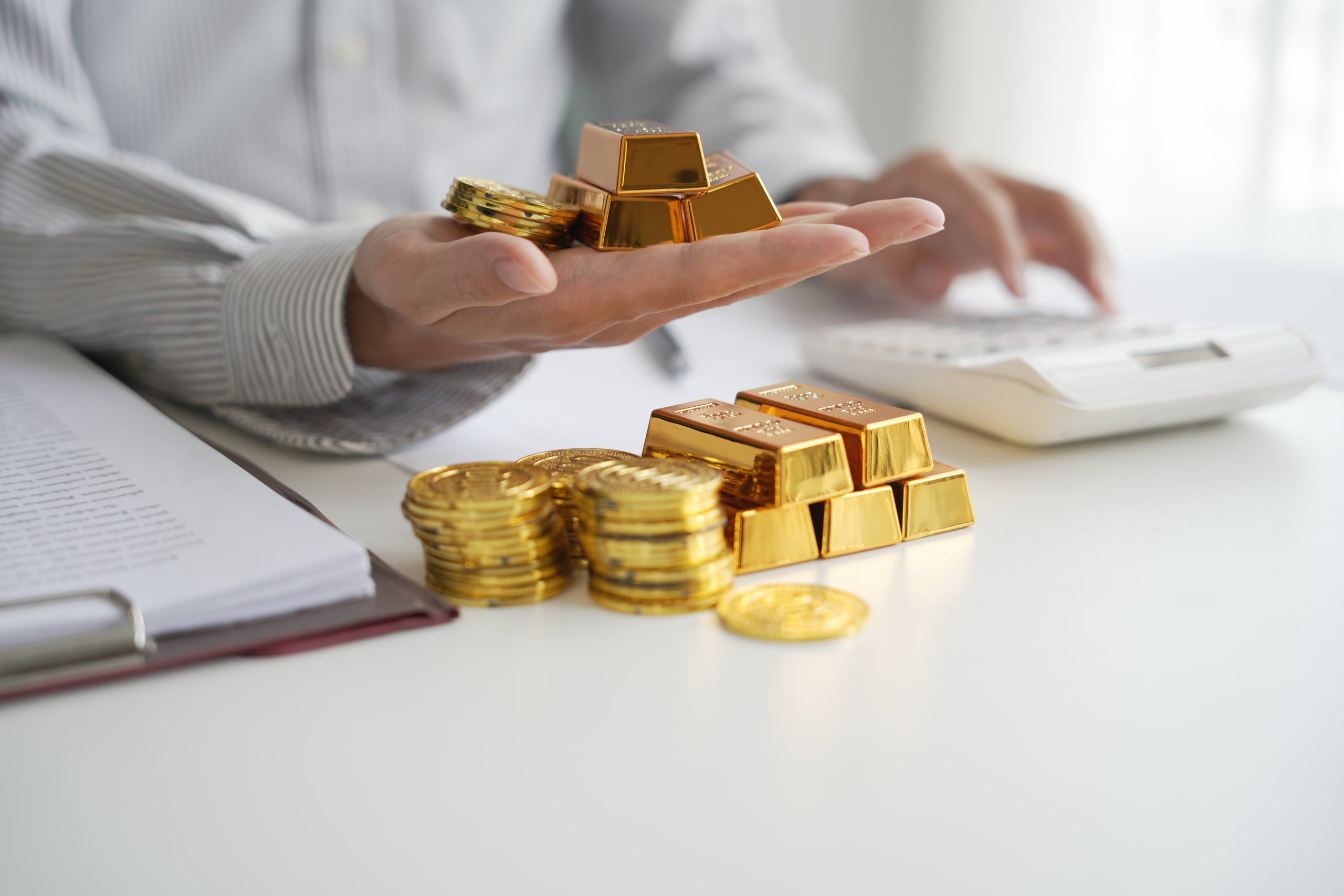
Wall Street is selling a dream. Gold at 3,000 dollars sounds like a guaranteed win. Goldman Sachs analysts Mikhail Struyven and Mikhail Sprogis are leading the charge. They claim the metal will surge 20 percent in the coming months. But they are not telling you the whole story. They are ignoring the massive cost of carry in a high interest rate environment. They are overlooking the fact that the biggest buyers in the world have suddenly stopped shopping.
The Great Central Bank Strike of late 2025
Central banks were the engine of the 2024 rally. The People’s Bank of China bought gold for 18 consecutive months. Then they stopped. According to the latest Reuters commodities report, the momentum from official sectors is cooling significantly as prices stay near all time highs. When the whale stops buying, the retail investor is left holding the bag. The narrative of de-dollarization is powerful, but the data shows a different reality. Central banks are price sensitive. They are not chasing the market at 2,700 dollars an ounce. They are waiting for a crash.
The Opportunity Cost Trap
Gold pays you nothing. It sits in a vault and costs money to store. With the Federal Reserve holding interest rates at 4.75 percent as of this week, the opportunity cost of holding gold is astronomical. Every dollar you put into the SPDR Gold Shares (GLD) is a dollar that is not earning nearly 5 percent in a risk free money market fund. For gold to be a rational investment right now, it must appreciate faster than the risk free rate plus the cost of storage. Goldman’s 20 percent projection assumes a series of aggressive rate cuts that the current gold futures data simply does not support. The market is pricing in a sticky inflation scenario that keeps rates higher for longer.
Paper Gold vs. Physical Reality
Most investors do not own gold. They own a promise. Exchange traded funds like the iShares Gold Trust (IAU) are convenient, but they are paper instruments. In a true geopolitical crisis, the spread between the spot price of physical bullion and the trading price of an ETF can widen drastically. If you are buying gold as a hedge against the collapse of the financial system, buying a digital ticker symbol on the New York Stock Exchange is a contradiction. Furthermore, the recent Bloomberg analysis of Goldman’s note suggests that much of the projected 20 percent rise is already baked into the current valuation. The market is efficient. It does not leave 20 percent gains lying on the sidewalk for anyone to pick up.
Technical Resistance and the 2,800 Dollar Ceiling
The charts are screaming caution. Gold has hit a hard ceiling at the 2,800 dollar mark multiple times this month. Every attempt to break through has been met with massive selling pressure. This suggests that large institutional players are using the Goldman Sachs hype to exit their positions. While the retail crowd buys GLD, the smart money is moving into short duration Treasuries. The following table illustrates the performance gap between popular gold vehicles and the underlying spot market volatility over the last 48 hours.
| Asset Ticker | 48-Hour Price Change | Expense Ratio | Physical Backing |
|---|---|---|---|
| GLD (SPDR Gold) | -0.85% | 0.40% | Trust-Held Bullion |
| IAU (iShares Gold) | -0.82% | 0.25% | Trust-Held Bullion |
| SLV (iShares Silver) | -1.45% | 0.50% | Trust-Held Bullion |
| Gold Spot (XAU) | -0.90% | N/A | Physical Metal |
The Geopolitical Risk Is Overstated
Fear is the primary product of the gold industry. We are told that trade wars and global conflicts make gold the only safe place. However, gold often behaves like a risk asset during the initial stages of a liquidity crisis. When markets crash, investors sell their winners to cover margin calls on their losers. Gold is often the first thing sold because it is the only thing with a profit. If we see a correction in the S&P 500 in early 2026, do not expect gold to move higher. Expect it to be liquidated. The historical correlation between gold and market stress is not as clean as the brochures suggest. In the 2008 crash, gold dropped significantly before it eventually recovered. Most retail traders do not have the stomach or the margin to wait for that recovery.
Silver is the Speculative Canary
Look at silver for the real truth. The iShares Silver Trust (SLV) has been underperforming gold for months. In a true precious metals bull market, silver usually leads gold because of its smaller market cap and higher volatility. The fact that silver is lagging suggests that this gold rally is top heavy and driven by central bank anxiety rather than broad based industrial or retail demand. If silver cannot break its current resistance levels, gold’s run to 3,000 dollars is likely a fantasy. The gold to silver ratio is currently stretched to levels that historically precede a sharp correction in the entire sector.
The next major data point to watch is the January 20, 2026, policy outlook from the incoming administration regarding trade tariffs. If the dollar strengthens on the back of aggressive tariff talk, the gold rally will hit a brick wall. Watch the 2,620 dollar support level on the February 2026 gold futures contract. If that level breaks, the 3,000 dollar dream dies with it.