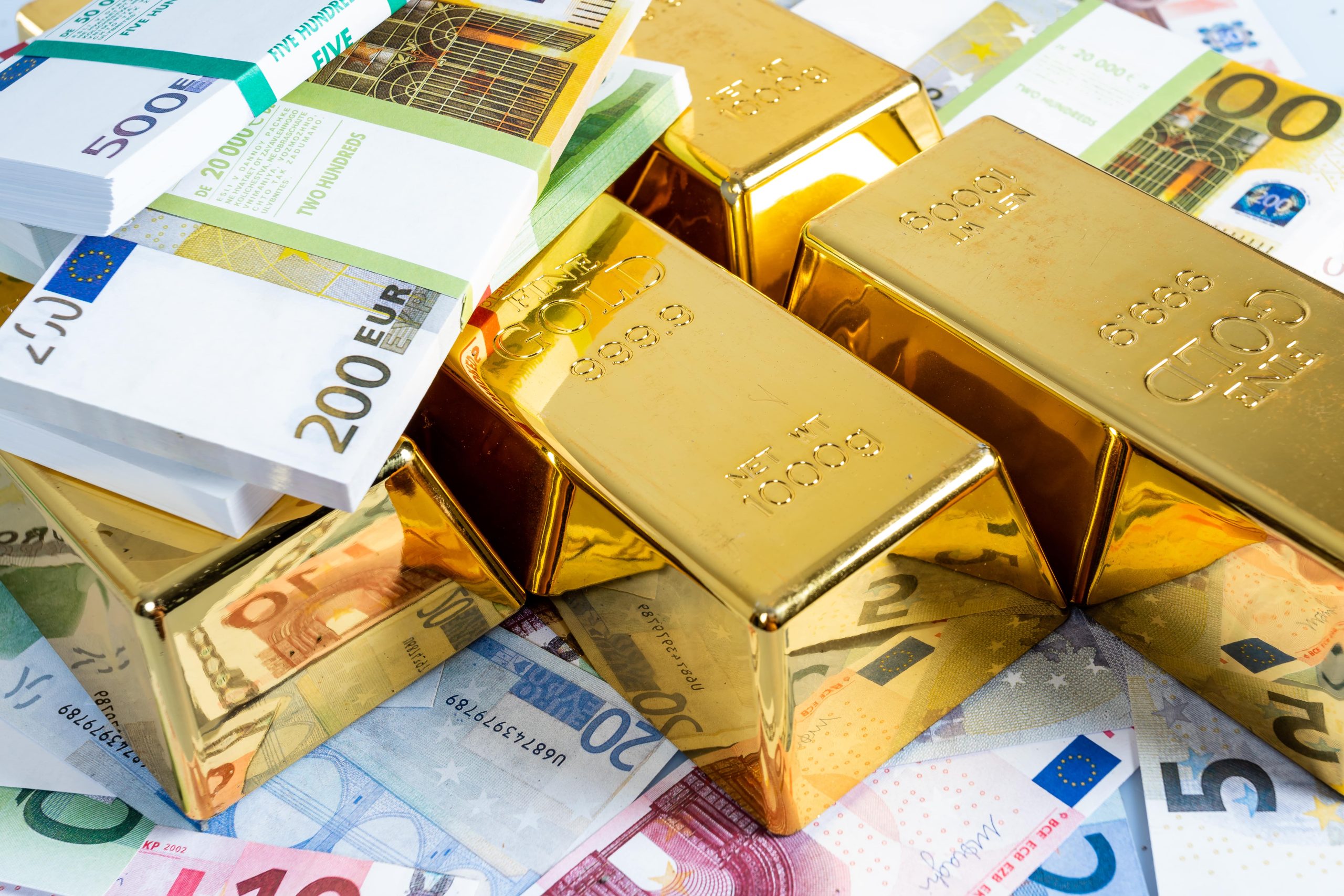
The Great De-risking of October 2025
Gold is bleeding. After a relentless climb that saw spot prices touch an all-time high of $2,815 earlier this month, the yellow metal has suffered its most violent retracement since the 2013 taper tantrum. On Tuesday, October 28, spot gold collapsed by 3.8 percent in a single session, settling at $2,642.10. This was not a mere correction; it was a systemic liquidation. The institutional desks at Goldman Sachs and JPMorgan are not just trimming hedges; they are reacting to a structural shift in the global cost of capital. The narrative that gold is a non-correlated safe haven has been incinerated by the reality of the October 10-year Treasury yield surge.
The institutional pivot is driven by one metric: real yields. With the 10-year Inflation-Protected Securities (TIPS) yield hovering at 2.25 percent, the opportunity cost of holding a non-yielding lump of metal has become punitive. As of this morning, October 29, the market is pricing in a 72 percent probability that Jerome Powell will deliver a hawkish pause at tomorrow’s FOMC meeting. This is a sharp reversal from the dovish expectations held just three weeks ago. Capital is fleeing the gold vaults of London and Zurich, seeking the safe harbor of a dollar that is suddenly yielding significant real returns.
The Analyst Schism: Citi vs Saxo Bank
The consensus in the bullion market has fractured. Aakash Doshi, Head of Commodities for North America at Citi, maintains a target of $3,000 for the first quarter of next year, citing structural central bank demand from the Global South. Doshi argues that the current sell-off is a technical washout of over-leveraged long positions. Conversely, Ole Hansen, Head of Commodity Strategy at Saxo Bank, suggests that the cycle has peaked. Hansen points to the cooling of the Shanghai Gold Exchange premiums as evidence that Chinese retail demand, the primary engine of the 2024-2025 rally, is finally exhausted. According to the latest Reuters commodities report, physical demand in India has also softened as local prices remain prohibitively high despite the recent global dip.
The mechanics of this sell-off are tied to the unwinding of the carry trade. As the Federal Reserve signals that it is in no rush to normalize rates, the dollar index (DXY) has reclaimed the 105.50 level. For a European or Japanese investor, gold priced in their local currencies has become an expensive legacy trade. When the dollar rises, the purchasing power of the world’s largest bullion consumers diminishes, creating a self-reinforcing downward spiral.
Central Bank Activity and the Q3 Data Shift
The saving grace for gold has historically been the central bank bid. However, the preliminary Q3 2025 data suggests a slowdown in net purchases. While the People’s Bank of China and the Reserve Bank of India remain net buyers, the pace of accumulation has slowed by 14 percent year-over-year. This suggests that even sovereign entities are price-sensitive. They are waiting for a deeper discount before re-entering the market. The following table illustrates the shifting landscape of global gold reserves as reported in the Bloomberg terminal data for late October.
| Central Bank Entity | Q3 2024 Purchases (Tonnes) | Q3 2025 Purchases (Tonnes) | Year-over-Year Change |
|---|---|---|---|
| People’s Bank of China | 78.5 | 62.1 | -20.9% |
| Reserve Bank of India | 24.2 | 21.8 | -9.9% |
| Central Bank of Turkey | 15.8 | 19.4 | +22.7% |
| National Bank of Poland | 12.1 | 11.5 | -4.9% |
Structural Support and the Path to $2,550
Technical analysts are now eyeing the 200-day moving average, which currently sits at $2,580. If the Fed’s statement tomorrow leans into the persistent inflation narrative, a break below this level is almost certain. The CME FedWatch Tool indicates that traders are increasingly hedging against a higher-for-longer regime that could last well into the first half of the coming year. This shift in sentiment is a direct result of the resilient labor market data released on October 24, which showed that the U.S. economy added 215,000 jobs, far exceeding the 160,000 forecast.
Gold’s immediate future is tethered to the 2-year Treasury yield. When the 2-year yield moves above 4.5 percent, gold historically loses its shine. We are currently at 4.48 percent. The market is testing the Fed’s resolve. If Powell fails to offer a dovish olive branch tomorrow, the next floor for gold is the $2,550 psychological support level. This would represent a full retracement of the August breakout gains, potentially trapping late-cycle bulls in a multi-month consolidation phase.
The next major catalyst is the January 20, 2026, policy transition. Markets are already anticipating how the new administration’s fiscal stance will impact the deficit. If the projected $2 trillion deficit for the 2026 fiscal year becomes reality, the debasement trade will return with a vengeance. For now, the watchword is liquidity. Watch the PCE price index release on October 31; a reading above 2.7 percent will likely confirm the bearish thesis for bullion in the short term.