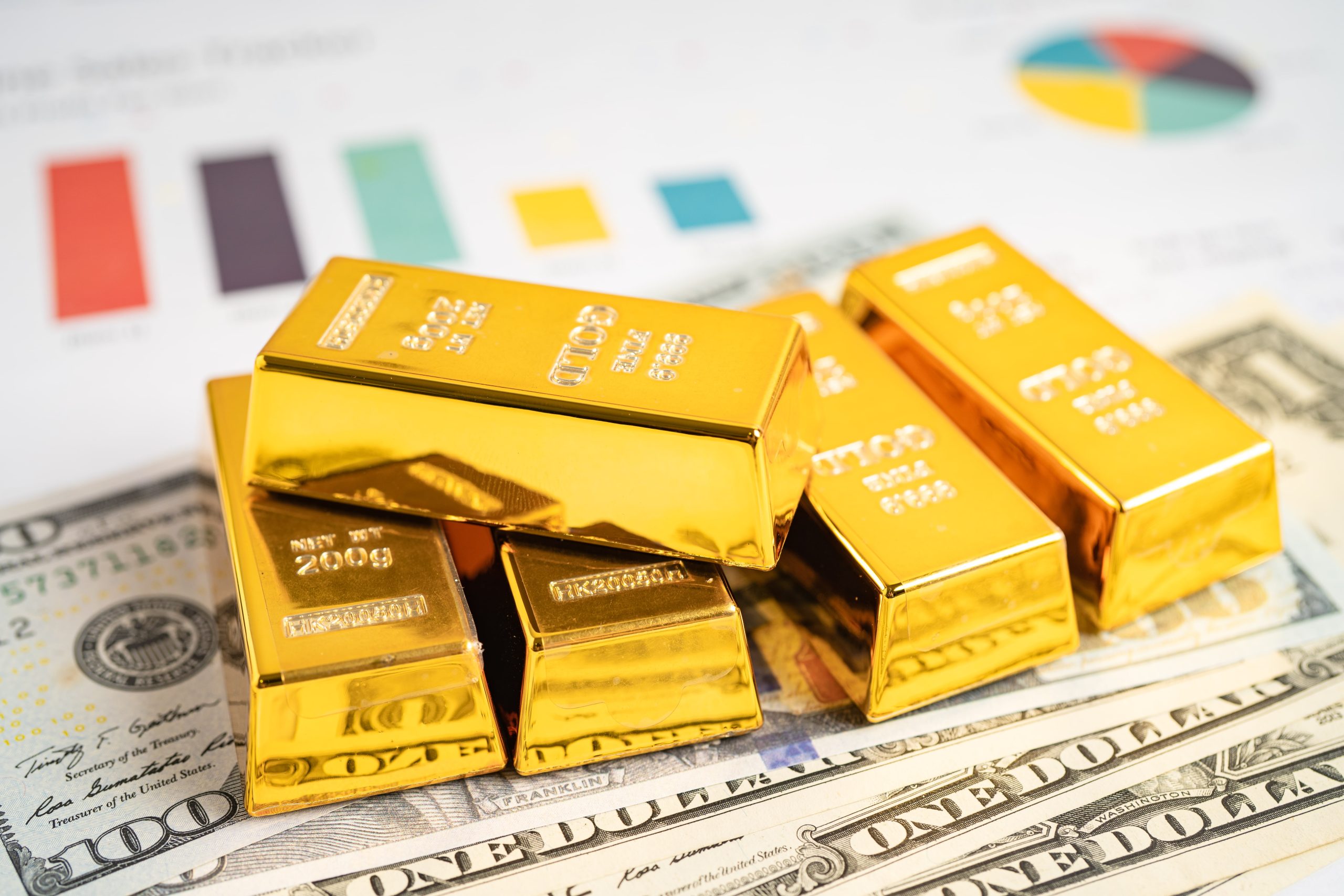
The fever broke. After a relentless 46% surge that carried spot gold through the psychological 4,000 dollar per ounce barrier on October 20, the metal just experienced its most violent correction in nearly two decades. On Monday, October 27, and continuing through the morning of October 28, 2025, gold prices plummeted to 3,772 dollars per ounce. This 6.3% retreat in 48 hours wiped out approximately 12 billion dollars in paper wealth across the Comex futures market. The euphoria of the early October rally has been replaced by a cold realization: the Federal Reserve is not as dovish as the gold bugs hoped.
The Anatomy of a Technical Collapse
Market analysts are pointing to a rare blow-off top signal. By mid-October, gold was trading 33% above its 200-day moving average, a level of overextension not seen since the secular peaks of 2006. When prices failed to hold the 4,000 dollar support line on October 23, the algorithms took over. Commodity Trading Advisors (CTAs) triggered massive sell orders as the metal breached the 3,900 dollar level, leading to a cascade of liquidations that intensified the downward pressure.
This sell-off is not merely a technical glitch. It is a direct response to the October CPI data, which showed headline inflation sticking at 3.1% year-over-year. Despite the 25-basis point rate cut in September, the Fed’s dual mandate is now under siege by a resurging consumer price index. The narrative of 2% inflation by year-end has vanished, replaced by fears that the Trump administration’s April tariffs are finally feeding through to the core goods sector.
A Divided FOMC and the Missing Data Gap
The upcoming Federal Reserve decision is shrouded in more than just economic uncertainty. A 43-day government shutdown that paralyzed the Bureau of Labor Statistics (BLS) earlier this month has left a significant hole in the official data. According to reports on the FOMC divide, at least three voting members are now pushing for a rate pause in December, citing the risk of a wage-price spiral in the services sector. This hawkish tilt is a direct threat to non-yielding assets like gold.
As interest rate expectations shift, the real yield on the 10-year Treasury has climbed back toward 2.2%, increasing the opportunity cost of holding bullion. The table below illustrates the stark shift in market fundamentals compared to this time last year.
| Economic Indicator | October 2024 | October 2025 |
|---|---|---|
| Gold Spot Price (USD/oz) | $2,710 | $3,772 |
| US CPI Headline (YoY) | 2.4% | 3.1% |
| Fed Funds Rate (Upper Bound) | 4.75% | 3.75% |
| 10-Year Treasury Yield | 4.10% | 4.45% |
The Geopolitical Hedge Meets Reality
For most of 2025, gold was the undisputed king of safe havens. Trade war anxieties and the return of protectionist policies drove central bank demand to record highs, with official sector purchases reaching 982 metric tons by September. However, the premium for geopolitical risk is now being tested. While the Middle East and Europe remain volatile, the market has already priced in the “worst-case” tariff scenarios. Without a new catalyst, the speculative long positions on Yahoo Finance’s commodity boards are vulnerable to further profit-taking.
The mechanism of this crash is tied to the dollar’s unexpected resilience. Despite the Fed’s cutting cycle, the Greenback has remained strong as global capital flees softening markets in Asia and Europe. This creates a double-edged sword for gold: it is both a hedge against dollar debasement and a commodity that becomes prohibitively expensive for foreign buyers when the dollar stays high.
The Road Ahead and the Next Milestone
The current correction toward the 3,751 dollar support level is a necessary cooling for a market that had reached euphoric proportions. Technical analysts at Goldman Sachs and J.P. Morgan maintain that the long-term structural bull market remains intact, with some forecasting a push toward 5,000 dollars by late 2026. However, the path to those highs will be gated by the Fed’s ability to anchor inflation expectations.
All eyes are now fixed on the December 10 FOMC statement. If the committee signals a “one and done” approach for the remainder of the year, gold could see a further rebalancing toward the 3,500 dollar zone. The next critical data point for investors to watch is the January 2026 PCE release, which will reveal if the current 3.1% inflation spike is a temporary tariff shock or a permanent feature of the new economic landscape.