The Great Liquidation
The gold rush did not just slow down; it hit a brick wall. Within the last forty-eight hours, the spot market witnessed a violent deleveraging event that erased months of speculative gains in a single afternoon. As of this morning, October 22, 2025, spot gold prices have tumbled to $2,712.40 per ounce. This marks a staggering 8.2 percent retreat from the psychological peak of $2,950 reached earlier this quarter. This is not a mere correction. It is a fundamental repricing of risk as the geopolitical premium that sustained bullion for the last eighteen months begins to evaporate into thin air.
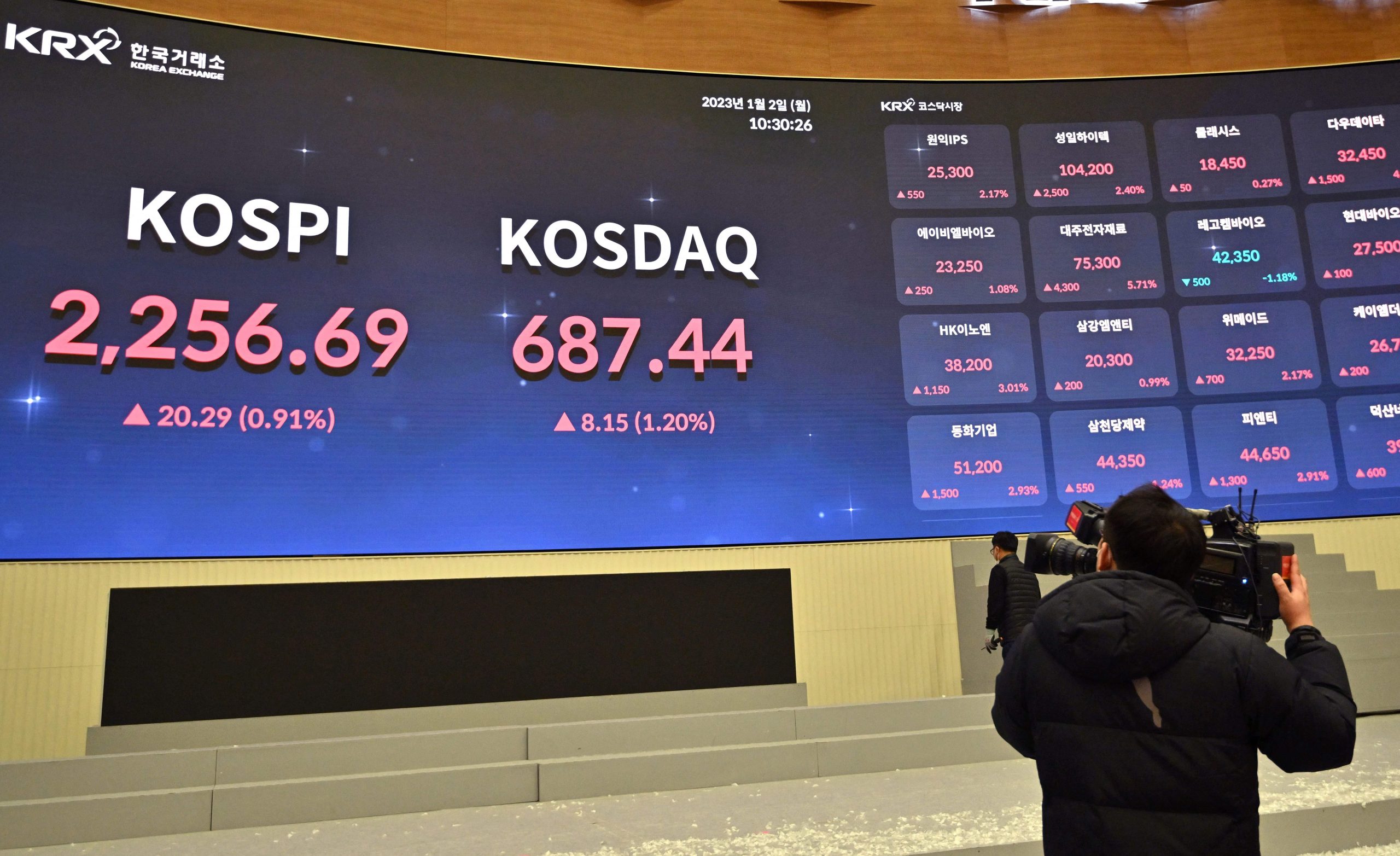
Institutional desks are no longer buying the dip. Instead, they are liquidating long positions to cover margin calls in a resurgent equities market. The velocity of this decline mirrors the 2013 crash, yet the underlying drivers are far more complex than a simple interest rate scare. We are seeing a synchronized retreat from safe havens, driven by a rare alignment of cooling diplomatic tensions and a structural shift in central bank appetite. When the smart money exits the room, they do not leave quietly. They sell into any remaining retail liquidity, creating a vacuum that has left gold bugs staring at a $230 loss per ounce in less than a month.
The People Bank of China Silent Veto
Beijing has stopped the music. For the fifth consecutive month, official data released on October 20 indicates that the People’s Bank of China (PBOC) has frozen its gold accumulation program. This pause is a seismic shift from the aggressive bullion hoarding seen throughout 2024. The PBOC strategic withdrawal suggests that the world most influential official sector buyer now views current valuations as unsustainable in a high-yield environment. The technical mechanism at play here is a shift in reserve management. The PBOC is prioritizing liquidity to support its internal stimulus packages, favoring high-yield sovereign debt over the static safety of gold bars.
The implications are clear for the global carry trade. When the PBOC stops buying, the floor for gold disappears. This institutional hesitancy is compounded by the stabilizing Yuan, which has reduced the domestic demand for gold as a currency hedge within the Chinese retail sector. Without the China Floor, gold is forced to trade strictly on its relationship with US real yields, and that relationship is currently toxic for bulls. The era of central banks buying at any price has ended, replaced by a cold, calculated assessment of opportunity cost.
The 48-Hour Price Collapse
The Silicon Truce and Geopolitical Deflation
Geopolitics is becoming a headwind. The sudden de-escalation in the Silicon War between Washington and Beijing, signaled by yesterday’s joint memorandum on semiconductor export clarity, has stripped the uncertainty discount from the market. Gold thrives on chaos, but the current administration pivot toward economic pragmatism over ideological decoupling has left bullion without a narrative. The memorandum effectively establishes a framework for dual-use technology trade, reducing the risk of a sudden maritime blockade or trade embargo in the Taiwan Strait.
Market participants are shifting capital toward growth assets as global trade tensions ease. The necessity for a non-yielding insurance policy like gold diminishes when the threat of a systemic supply chain collapse recedes. We are observing a massive rotation out of the SPDR Gold Shares (GLD) and into high-beta technology sectors. The fear trade is being replaced by a growth trade, and gold is the primary casualty of this newfound optimism. For the last year, gold was the only game in town for risk-averse managers; today, it is a dead weight in a portfolio that needs to capture the tech rebound.
The CPI Gallows and Real Yield Pressure
Tomorrow’s Consumer Price Index (CPI) report is the sword of Damocles hanging over the remaining bulls. Consensus estimates suggest a core inflation print of 3.1 percent, which is uncomfortably higher than the Federal Reserve target. If the data confirms this stickiness, the market will be forced to price in a higher for longer terminal rate well into the coming year. This scenario is lethal for gold, which pays no dividend and carries a significant storage cost. Real yields are the metric that matters now, and they are screaming sell.
With the 10-year Treasury yield hovering at 4.58 percent, the opportunity cost of holding gold has reached its highest level in over a decade. Large-scale macro funds are finding 4.5 percent guaranteed by the US government far more attractive than a speculative bet on a yellow metal that has lost its momentum. The table below illustrates the brutal divergence of the last 48 hours.
| Asset Class | Oct 20 Price/Level | Oct 22 Price/Level | % Change |
|---|---|---|---|
| Spot Gold (XAU/USD) | $2,845.50 | $2,712.40 | -4.68% |
| US 10Y Yield | 4.41% | 4.58% | +3.85% |
| US Dollar Index (DXY) | 104.20 | 106.50 | +2.21% |
Technical Support and the Death Cross
The technical damage is severe and potentially irreversible for this cycle. Gold has sliced through its 50-day moving average with high volume, a signal that usually precedes a deeper flush. Analysts are now looking at the $2,685 support level as the last line of defense before a potential slide toward the 200-day moving average at $2,540. If the $2,685 level fails to hold on a weekly closing basis, the technical Death Cross becomes a mathematical certainty by mid-November. This occurs when the short-term 50-day average crosses below the long-term 200-day average, often triggering automated sell programs from the world largest trend-following quant funds.
Retail sentiment remains trapped in a state of denial. While institutional money has already moved to the sidelines, retail investors are still holding paper gold positions, hoping for a geopolitical flare-up to save their portfolios. This trapped long phenomenon often leads to a final, capitulatory sell-off when the realization sets in that the bull cycle has peaked. The lack of a clear catalyst for a rebound suggests that any rallies in the coming days will be sold aggressively by algorithmic trading desks. The market has moved from buy the dip to sell the rip in a matter of hours.
The focus now shifts to the fiscal outlook. While gold is currently in a tailspin, the long-term structural deficit of the United States remains an unresolved tailwind, yet it provides no immediate relief. For the remainder of 2025, the path of least resistance is downward. Investors should focus on the January 15, 2026, Treasury refunding announcement as the next major pivot point for the dollar. Until then, gold remains a falling knife in a market that has rediscovered its appetite for risk and its demand for yield. Watch the $2,650 level closely as the year closes; a breach there would signal that the 2024-2025 bull market was not a new era, but a temporary fever that has finally broken.