European industry is not coming home. It is merely finding more efficient ways to leave. For three years, the political corridors of Brussels and Berlin have echoed with the promise of a manufacturing renaissance, a strategic pivot back to the continental heartland. However, the data finalized on November 30, 2025, tells a story of terminal divergence between political rhetoric and corporate capital expenditure.
The PMI Paradox and the German Drag
Industrial health is failing. The final HCOB Eurozone Manufacturing PMI for November 2025 settled at 49.6, a five month low that signals a sector trapped in a state of controlled atrophy. While Spain and Italy have shown flashes of resilience, the two largest economies are dragging the bloc into a structural slump. France is paralyzed by political gridlock, but the crisis in Germany is existential. The German manufacturing sector recorded its steepest deterioration in factory conditions since early 2024, as the nation struggles to reconcile its high wage model with an energy landscape that remains uncompetitive on the global stage.
Investment is the ultimate truth teller. Per the latest S&P Global PMI data, new orders are falling at the quickest pace in nearly a year. Companies are not building domestic capacity; they are depleting existing inventories and cutting jobs at the sharpest rate since April. This is not a temporary dip in the cycle; it is the sound of capital fleeing for better returns elsewhere. The margin squeeze is so severe that manufacturers have been forced to discount goods prices for six of the last seven months, even as input cost inflation intensified to an 18 month high.
The Zhanjiang Milestone and the Chemical Exodus
BASF provides the most jarring evidence of this shift. While German politicians debate industrial subsidies, the world’s largest chemical company has effectively doubled down on Asia. On November 5, 2025, BASF successfully commenced production at the core of its new Verbund site in Zhanjiang, China. This €8.7 billion project is the largest single investment in the company’s history, and it represents a permanent transfer of industrial gravity. CEO Markus Kamieth has been blunt in his assessment; he stated that to be a growth company in chemicals, one must grow in China. The logic is a simple energy and demand arbitrage that the European Union cannot match.
Domestic sites like Ludwigshafen are being hollowed out. The strategy is now local for local, a euphemism for the fact that high value production is moving closer to the consumer base in the East. This is not reshoring; it is the finalization of a global footprint where Europe serves as a legacy maintenance hub rather than a growth engine. The technical mechanism is a shift from global supply chains to regional fortresses, where the cost of logistics makes European exports increasingly unviable.
Logistics as a Tool of Protectionism
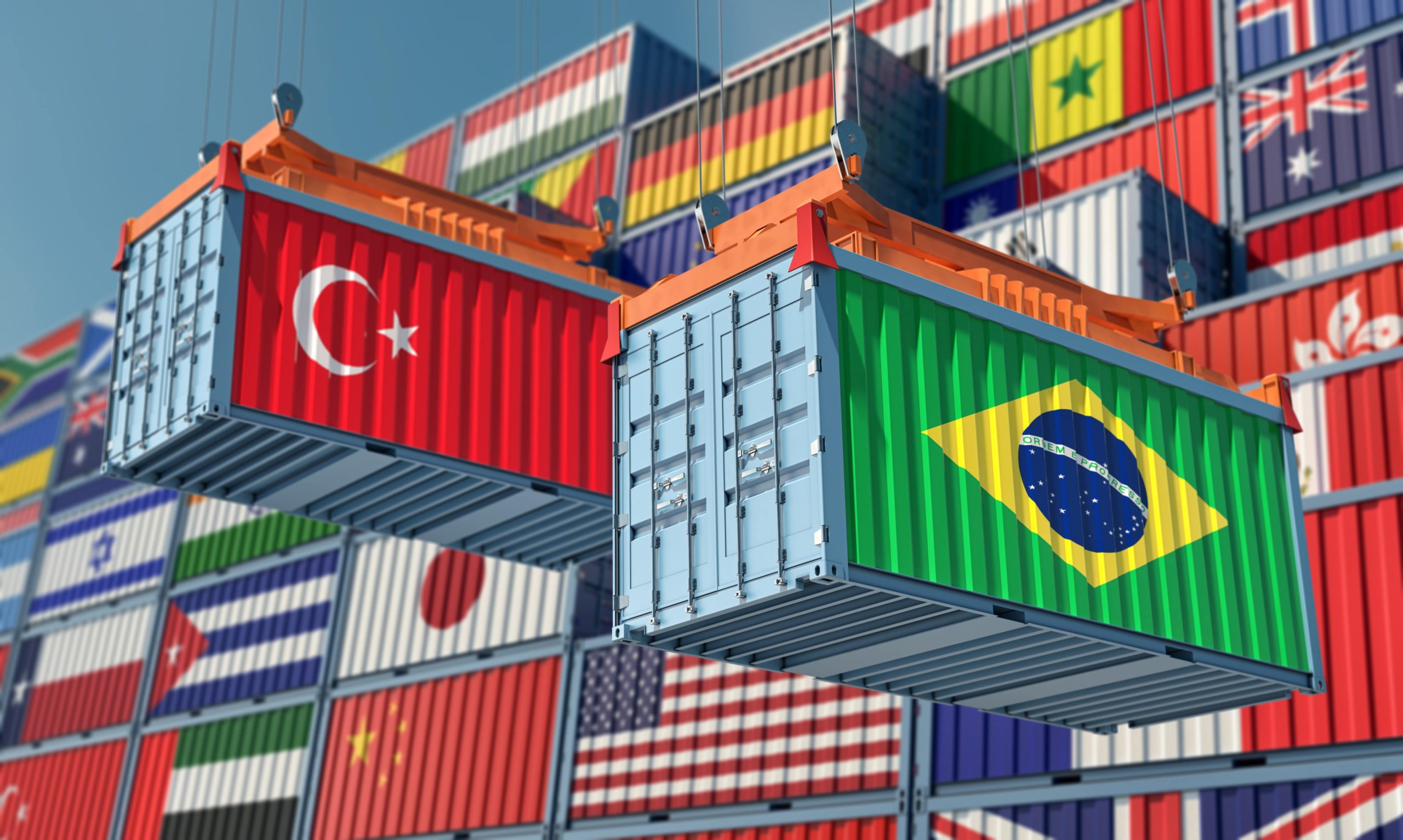
Supply chains are reconfiguring under the weight of new costs. According to the Maersk November market update, freight rates from the Far East to Northern Europe saw a $2,500 increase per large container starting November 3. This surge is driven not just by demand, but by a rising tide of customs complexity. Maersk reports that the effective average tariff rate for container loads has jumped from 5% to 25% in just twelve months. This 400% increase in the cost of doing business across borders is the primary driver of what many mistake for reshoring.
Companies are not moving production back to Europe because they want to; they are moving it because the friction of global trade has become a tax on survival. The following table illustrates the divergence in key industrial indicators across the bloc as we close out 2025.
| Metric (Nov 2025) | Value / Status | Impact on Strategy |
|---|---|---|
| Eurozone Mfg PMI | 49.6 (Contraction) | Reduced domestic CAPEX |
| Maersk Rate Hike | +$2,500 (FE-Europe) | Shift to regional sourcing |
| Net FDI Inflow (EU) | $11.9 Billion (Sept) | 9-year low in trend |
| BASF China Capex | €8.7 Billion | Permanent capacity shift |
The Semiconductor Shield and Project Beethoven
If there is a bright spot, it is the desperate attempt to ringfence high tech manufacturing. ASML remains the linchpin of the European strategy, but even its dominance is under threat. The Dutch government’s €2.5 billion Operation Beethoven is a reactive measure, a massive infusion of capital intended to prevent the lithography giant from seeking more favorable conditions abroad. While ASML has confirmed its expansion in Eindhoven, the shadow of a Chinese domestic lithography project looms over the long term horizon.
The technical mechanism of this defense is the High NA EUV rollout. By 2026, the first revenue recognitions from these systems will determine whether the European tech shield can hold. However, the reliance on a single company to anchor the continent’s industrial relevance is a precarious strategy. While the US and China invest in entire ecosystems, Europe is currently investing in individual survivors.
The March Milestone
The illusion of the reshoring trend will be fully dispelled when the European Central Bank releases its Structural Divergence report in March 2026. This document is expected to quantify the permanent loss of industrial capacity to the US and Asia, driven by the 25% effective tariff wall now surrounding major trade corridors. Investors must look past the sentiment indices and focus on the hard reality of net FDI outflows. The next specific data point to watch is the January 2026 trade balance report from Germany, which will reveal if the current PMI contraction is a seasonal blip or the first stage of a long term industrial eclipse.