The Geopolitical Risk Premium Becomes Permanent
Capital markets are no longer pricing geopolitical friction as a transient shock. They are pricing it as a structural floor. As of December 12, 2025, the yield on the U.S. 10-Year Treasury remained anchored at 4.62 percent, a reflection of the market’s refusal to believe in a return to the low-volatility era of the previous decade. This week’s Producer Price Index (PPI) report, which showed a stubborn 0.3 percent month-over-month increase in core service costs, underscores a grim reality. Inflation is being fueled by the physical breakdown of supply chains in the Sahel and the Red Sea, regions that the International Crisis Group (ICG) has long warned are reaching a breaking point.
Davos 2026 will not be a celebration of global connectivity. It will be an autopsy of it. At the center of this transition is Comfort Ero, President of the ICG. Her mandate has shifted from humanitarian advocacy to a role that is increasingly vital for institutional investors: the primary analyst of systemic tail risk. When Ero speaks in the Swiss Alps next month, the audience will not just be diplomats. It will be the sovereign wealth fund managers and central bankers who are struggling to hedge against a world where ‘localized’ conflicts have global inflationary consequences.
The Technical Mechanism of Conflict-Induced Inflation
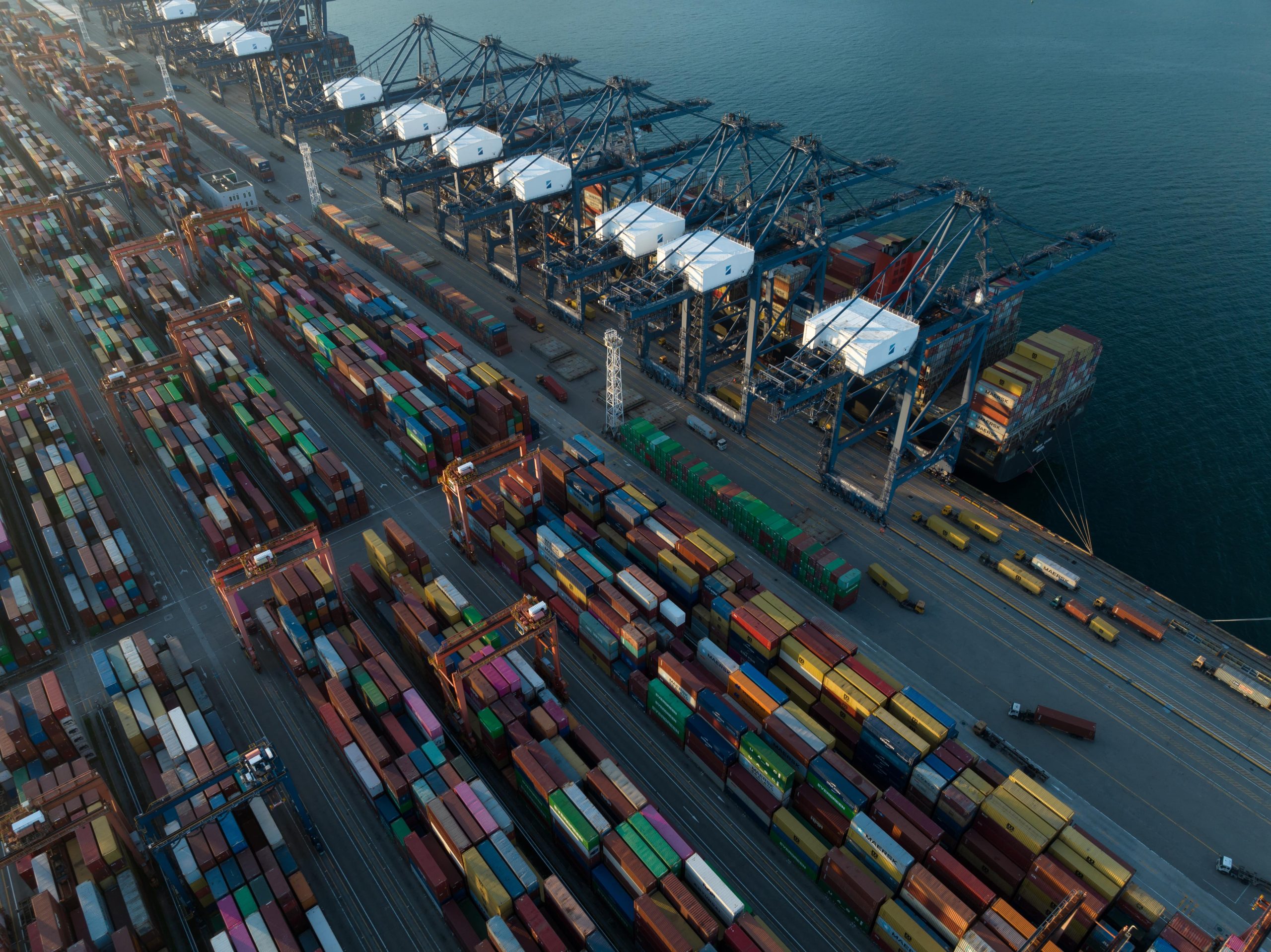
The relationship between regional instability and global fiscal health is direct and measurable. When the ICG identifies a ‘flashpoint,’ it is identifying a future disruption in the movement of goods or the extraction of raw materials. Currently, the disruption in the Bab-el-Mandeb strait has forced a permanent rerouting of maritime trade, adding an estimated 12 percent to the landed cost of goods in European ports. This is not a supply chain ‘glitch’ that can be solved by logistics software. It is a geopolitical tax on the global economy.
Ero’s leadership at the ICG has focused on the ‘preventative’ cost of crisis management. For every dollar spent on conflict prevention, the global economy saves approximately seven dollars in reactive military spending and humanitarian aid. Yet, the current trend is the inverse. Defense budgets among NATO members and East Asian powers are expanding at their fastest rate since the 1980s, crowding out private investment and exacerbating the ‘fiscal dominance’ that keeps interest rates elevated.
Sovereign Debt and the Fragility Gap
The ICG’s research now serves as a leading indicator for credit default swap (CDS) pricing in emerging markets. As nations in the Global South face a ‘triple threat’ of high debt servicing costs, climate-driven migration, and internal insurgency, the risk of a synchronized sovereign default wave has never been higher. The data from the International Monetary Fund as of late 2025 suggests that over 40 percent of low-income countries are in or at high risk of debt distress.
Comfort Ero’s strategy involves integrating these economic realities into the ICG’s conflict modeling. It is no longer enough to track troop movements. One must track the price of wheat in Cairo and the currency fluctuations in Lagos. These are the true triggers of the next ‘unforeseen’ crisis. The market recognizes this, which is why the ICG’s briefings are now essential reading for the risk committees of major investment banks like Goldman Sachs and JPMorgan Chase.
| Region | Conflict Risk Level (1-10) | Projected GDP Impact (2026) | Key Commodity Exposure |
|---|---|---|---|
| Sub-Saharan Africa | 8.5 | -2.4% | Cobalt, Copper |
| Middle East (Levant) | 9.2 | -4.1% | Crude Oil, Natural Gas |
| Southeast Asia | 6.7 | -1.2% | Semiconductors, Palm Oil |
| Eastern Europe | 7.9 | -1.8% | Wheat, Fertilizer |
The Erosion of the Multilateral Safety Net
The institutional failure of the United Nations Security Council has left a vacuum that organizations like the ICG are struggling to fill. In the absence of a functional diplomatic arbiter, the global economy is fragmenting into ‘security blocs.’ This fragmentation is visible in the divergent performance of Chinese vs. Western equities throughout 2025. Investors are moving away from the ‘global’ benchmark and toward hyper-local, defensive positions.
Ero has argued that the cost of ‘peace’ is a rounding error compared to the cost of ‘containment.’ However, containment is currently the preferred policy of the G7. This strategic misalignment is creating a volatility trap. By failing to invest in the mediation frameworks Ero proposes, global powers are essentially guaranteeing that the current cycle of ‘permacrisis’ continues into the next decade. The Davos discussions will likely highlight this tension: the private sector’s desire for stability versus the public sector’s inability to provide it.
The Milestone to Watch
As the winter of 2025 deepens, the focus shifts to the upcoming January 19, 2026, opening of the Davos summit. The critical data point for investors will not be the speeches themselves, but the release of the ICG’s ‘Crisis Watch 2026’ report on the summit’s second day. If that report upgrades the risk of conflict in the Taiwan Strait or the Horn of Africa, expect an immediate and sharp re-pricing of the global risk-free rate. The era of ignoring the ‘Ero Factor’ ended on December 13, 2025. The era of paying for it has just begun.