The Death of Low-Interest Decarbonization
Capital is no longer free. This morning, October 29, 2025, the yield on the 10-year Treasury hovers at 4.6 percent, casting a long shadow over the renewable energy sector. The romanticism of the early 2020s has met the brutal reality of the 2025 fiscal landscape. For years, analysts assumed that the transition to net zero would be a linear march fueled by cheap debt. They were wrong. As per the latest Bloomberg Energy Index, the cost of financing offshore wind projects has surged by 38 percent since 2023, stalling major installations across the North Sea and the Atlantic coast.
The International Energy Agency (IEA) released its World Energy Outlook earlier this month. The data reveals a widening chasm. While total investment in clean energy is at record highs, the actual deployment of new capacity is lagging behind 2030 targets by nearly 20 percent. The bottleneck is not technology. It is the cost of carry. We are witnessing a flight to reliability. In a high-interest-rate environment, investors are abandoning speculative green tech for assets with proven cash flows and high energy density. This is the pivot from ‘hope’ to ‘hardware’.
Japan’s Atomic Imperative
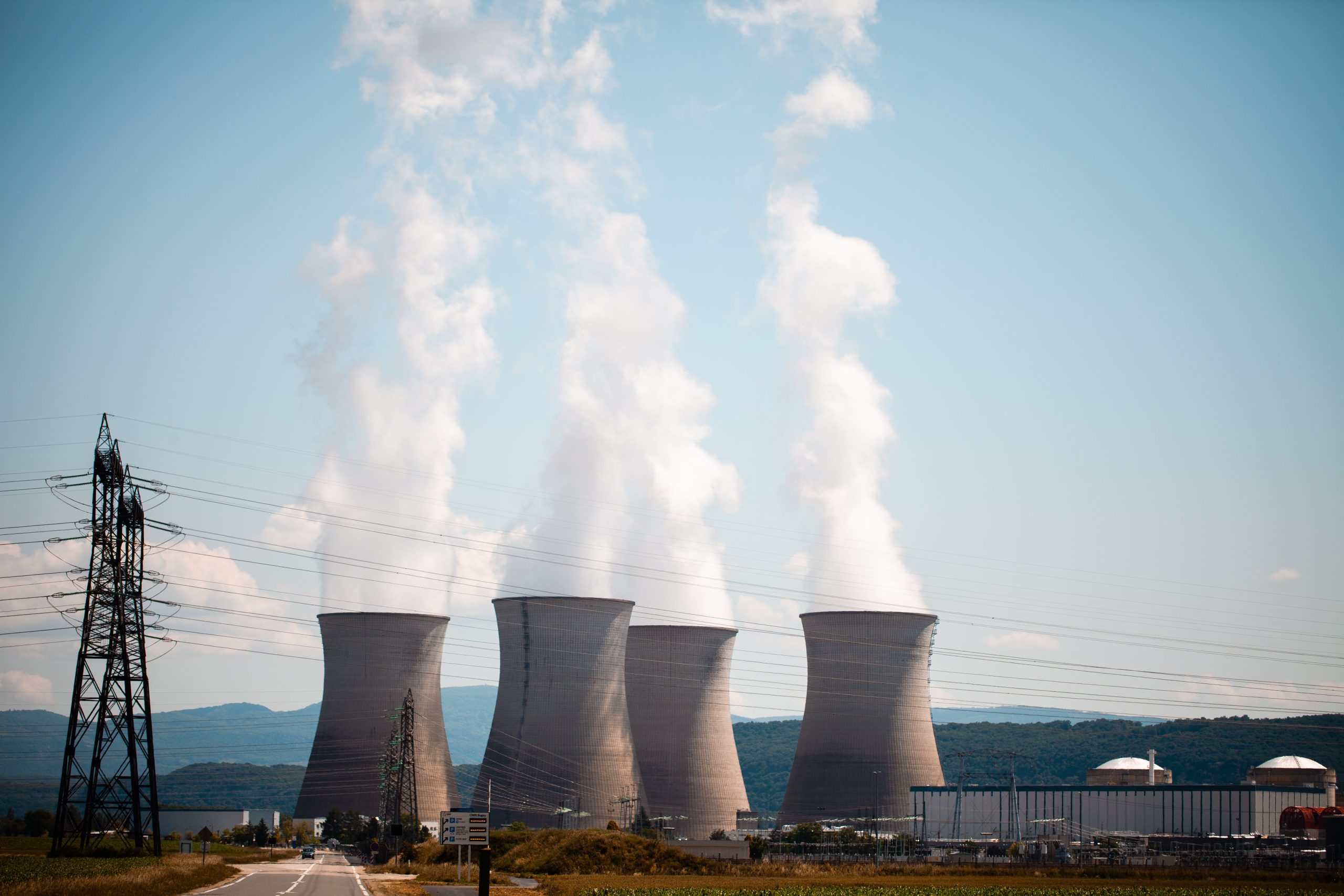
Tokyo has stopped apologizing for its nuclear past. Facing an LNG import bill that decimated its trade balance in the first half of 2025, the Japanese government is now aggressively fast-tracking the restart of its idled reactor fleet. The Kashiwazaki-Kariwa plant, the world’s largest nuclear power station, is at the center of this storm. Local regulatory approvals cleared in the last 48 hours suggest that Unit 7 could begin loading fuel by late December. This is not just about energy security; it is about national solvency.
The cost of natural gas remains volatile. According to Reuters Energy News, Japan’s reliance on spot-market LNG has made its manufacturing sector uncompetitive against regional rivals. By re-integrating nuclear power into the grid, Japan aims to lower industrial electricity prices by an estimated 14 percent by the end of next year. This strategic shift marks a definitive end to the post-Fukushima era of nuclear hesitancy. The global market is watching closely as other G7 nations, once skeptical, begin to draft their own reactor revival plans to stabilize their grids against the intermittent nature of solar and wind.
The UK Employment Mirage
The British government’s pledge to create 400,000 clean energy jobs by 2030 is facing its first major reality check. Headlines are cheap, but skilled labor is expensive. Current data from the Office for National Statistics (ONS) indicates a critical shortage of high-voltage engineers and certified turbine technicians. While the ‘Great British Energy’ initiative has been capitalized, the actual deployment of funds is stalled by a planning system that remains stuck in the 20th century. The 400,000 figure is looking increasingly like a political aspirational target rather than a labor market forecast.
There is a technical mechanism at play here that the mainstream press often misses: the ‘skill-lag’ effect. It takes five to seven years to train a nuclear engineer or a specialized grid architect. You cannot simply retrain a retail worker into a wind farm maintenance diver in a six-month bootcamp. This mismatch is driving up project costs. If the UK cannot bridge this vocational gap, the 400,000 jobs will not be a driver of growth; they will be a bottleneck that prevents the very projects they are meant to build. Investors are now pricing in these delays, leading to a cooling of equity prices in the London listed renewable funds.
The Capital Expenditure Gap
The divergence is clear. On one side, we have the policy goals set by the COP summits. On the other, we have the hard CapEx reality of 2025. The chart above illustrates the tension. While Solar still commands the highest gross investment, the growth rate in Nuclear CapEx has accelerated by 22 percent year-over-year, the fastest in three decades. This is a flight to density. As AI data centers proliferate across Northern Europe and North America, the demand for 24/7 baseload power is overriding the desire for purely green energy profiles.
The technical constraint of the current grid is the primary hurdle. Most national grids were designed for centralized fossil fuel plants. Pumping decentralized, intermittent solar power into these legacy systems is causing ‘grid congestion’ that will cost trillions to fix. In the last 48 hours, reports from major European transmission operators suggest that grid connection wait times for new solar parks have extended to seven years in some regions. This is why the pivot back to large-scale nuclear and gas-with-CCS (Carbon Capture and Storage) is accelerating. It is easier to plug a new reactor into an existing node than it is to rebuild the entire distribution network.
The next major data point for the markets will arrive on January 15, 2026, when the European Union’s updated Carbon Border Adjustment Mechanism (CBAM) reporting requirements take effect. This will provide the first clear look at how high energy costs are truly impacting industrial competitiveness. Watch for the spread between German industrial power prices and the French nuclear-backed baseline; that delta will determine where the next decade of heavy industry investment will flow.